






46 states reach $45 million Cash App settlement with Block over fraud

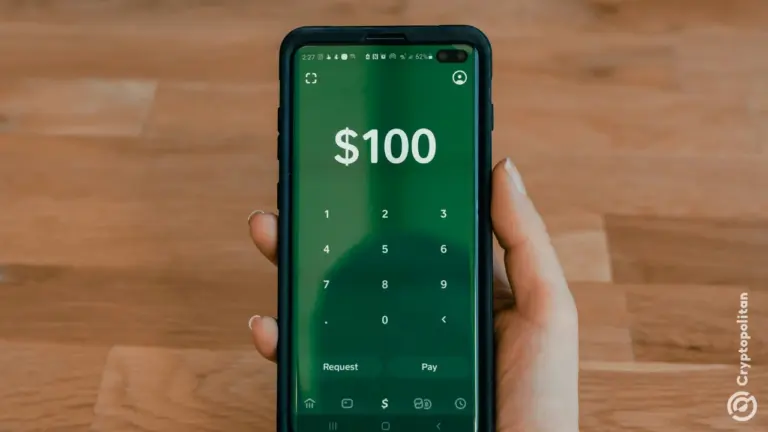
Photo by Tech Daily on Unsplash.
- Block, the company behind Cash App, will pay $45 million to 46 states to resolve allegations it misled users about the app’s safety and failed to protect them from fraud.
- The states also forced Block to add live customer support and drop marketing tied to scams.
- The deal adds on top of $75 million to $120 million in consumer refunds already ordered by the CFPB.
Block (NYSE: XYZ) agreed to pay $45 million and rebuild Cash App’s fraud protections to settle claims from 46 state attorneys general that it misled users about the app’s safety and abandoned fraud victims, the coalition announced Wednesday.
The bipartisan group, led by Oregon and Texas, said the payments company assured Cash App’s 56 million-plus users that their money was as safe as it would be in a bank, even as fraud on the platform climbed.
New York Attorney General Letitia James, who helped secure the deal, said Block “cared more about profits than protecting its users.”
Who gets the money?
The $45 million will be shared by the participating states rather than paid to consumers directly.
New York takes $1.6 million in penalties, Washington takes $1.8 million, Connecticut collects $1.5 million, while New Jersey gets $892,753, and Massachusetts gets $730,000. Nebraska gets just $379,619.99, Attorney General Mike Hilgers said.
Consumer refunds are a whole different ballgame. The deal reaffirms an earlier promise from Block to distribute between $75 million and $120 million to fraud victims nationwide following a January 2025 order from the Consumer Financial Protection Bureau (CFPB).
Block was fined $55 million by the Bureau and was required to pay a maximum of $120 million in redress, with a $75 million floor.
The practices that caught the eye of regulators
Investigators said Cash App’s signup process put speed over anything else, including security. A fraudster could easily run a web of scam accounts, the state of New York alleged.
Customer service was another gaping hole. For years, Cash App had no working phone line, so locked-out users searched the web and reached fake numbers run by scammers posing as customer support staff. Those “callers” then seized accounts or drained linked bank balances, and Block failed to set up a real phone line until 2021, James’s office said.
Block’s marketing giveaway created a third problem. Under its marketing promo called “Cash App Fridays,” the company urged users to post their $cashtag, the app’s unique username, for a chance at a weekly prize.
Scammers messaged contestants with fake winning notices and tricked them into handing over login details. The states said Block was aware of the pattern of fraud but ignored it and kept the promotion running for years.
In its terms of service, Block claimed “cutting-edge” fraud detection technology, New York’s investigation found, even though it had no consistent system in place.
What Block has to change
The consent order requires Block to provide live customer support in the form of a person reachable by phone for at least 13.5 hours a day and at least 18 hours by chat. The ruling mandated Block to stop making misleading claims or leaning into marketing tactics with undue fraud exposure.
Washington pursued a second case parallel to this one. Brown’s office announced a separate $20 million settlement over Block’s mishandling of unemployment money stolen during the pandemic.
The state said over $22 million in Unemployment Benefits was processed through Cash App accounts in 2020 after criminals filed claims using stolen identities of Washingtonians.
Pressure mounts on Dorsey’s payments business
The settlements arrive during a rough stretch for Block, which trades on the NYSE under the ticker XYZ. The Jack Dorsey-led firm posted a $308.7 million net loss for the first quarter of 2026, even as Cash App gross profit rose 38%, Cryptopolitan reported in May.
Block, which holds Bitcoin on its balance sheet and earns revenue from Bitcoin sales through Cash App, has also said it would cut more than 4,000 jobs.
Other regulatory fronts are closing, too. In a May securities filing, Block stated that it was negotiating settlement proposals with the U.S. Department of Justice over its compliance and risk practices.
Meanwhile, the Securities and Exchange Commission had ended a separate investigation without an enforcement action.
Don’t just read crypto news. Understand it. Subscribe to our newsletter. It's free.
FAQs
How much is Block paying to settle the Cash App fraud claims?
Block agreed to a $45 million settlement split among 46 participating states, on top of a $75 million to $120 million consumer-refund commitment tied to a January 2025 CFPB order; Washington also reached a separate $20 million settlement over pandemic unemployment fraud.
Which states led the Cash App investigation?
Oregon and Texas led the investigation on behalf of the 46 participating states, according to the attorneys general.
What does Block have to change under the settlement?
Block must provide live customer support daily, with a person reachable by phone and by chat at least 18 hours a day, stop misleading safety claims, end fraud-prone marketing, and investigate and refund unauthorized transactions as the law requires.
Disclaimer. The information provided is not trading advice. Cryptopolitan.com holds no liability for any investments made based on the information provided on this page. We strongly recommend independent research and/or consultation with a qualified professional before making any investment decisions.

Hannah Collymore
Hannah is a writer and editor with nearly a decade of blog writing and event reporting experience in the crypto space. At Cryptopolitan, Hannah contributes to the news page, reporting and analyzing the latest developments in DeFi, RWA, crypto regulation, AI and frontier tech industries. She graduated from Arcadia university with a degree in Business Administration.









