







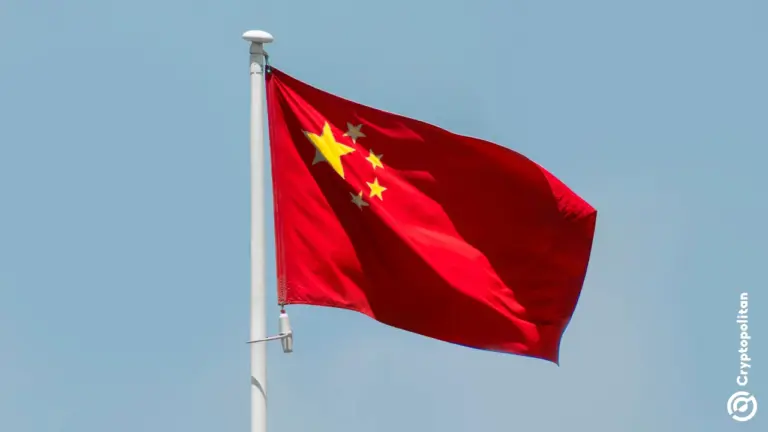
- Beijing may lift travel bans on Manus founders after forcing Meta to unwind its $2 billion acquisition of the AI startup.
- The case highlights how Chinese regulators can intervene in foreign acquisitions, even when a company has relocated its headquarters overseas.
- China’s new outbound-investment rules give authorities broader powers to review or reverse deals involving technology, data and national security.
Beijing is reportedly about to revoke travel bans imposed on the founders of the AI startup Manus. This could put an end to one of the most bizarre moments of the AI arms race between the U.S. and China. But for foreign tech firms, the greater question is how safe an acquisition is when the company being acquired was created in China, even if it is relocated abroad.
The founders found themselves as stranded assets after Chinese regulators forced Meta to reverse its $2 billion acquisition of Manus. It drove the startup towards prospective Chinese investors. The timing appears meaningful. Weeks after the reversal, Beijing promulgated a comprehensive outbound investment framework that came into effect on July 1.
According to reports, the rules establish a formal legal basis for reversing completed foreign transactions. The regulations provide authorities with wider powers to review foreign investments associated with technology, data and national security.
Thus, the Manus dispute can be seen not so much as an isolated regulatory dispute, but rather as an early example of the exercises of power that Beijing has now legalized.
Why Beijing wanted Manus back
Manus creates AI agents capable of more than just producing text. This company has developed software that can dissect complicated demands into tasks, utilize web-based applications, and function in a virtual computing environment. As a result, its AI agents can conduct research and other operations with minimal human involvement. Thus, Manus is entering the booming sector of agent-based AI, where the race is changing from chatbots to agents that are able to perform specific tasks.
Beijing started looking into Meta’s acquisition of Manus in January 2026. The National Development and Reform Commission (NDRC) finally instructed the parties on April 27, 2026, to reverse the acquisition and stop foreign capital from flowing into the transaction. According to Reuters, this is part of Beijing’s strategy aimed at preventing the acquisition of Chinese AI talent and intellectual property by U.S. companies.
Later, Xiao Hong and Ji Yichao, founders of Manus, were called to Beijing, where they were prohibited from leaving China while the investigation took place.
Manus is originally from China but shifted its headquarters and main operations to Singapore in 2025. This evidence shows that simply moving a company abroad doesn’t mean that the technology or talent it employs will be beyond the reach of Beijing.
What the reversal did to Meta
The April 27 decision turned a seemingly completed acquisition into an unwind. Meta had bought Manus in December 2025, but China’s intervention forced the companies to separate.
By June, Meta had begun dismantling the relationship, including cutting data sharing and separating the businesses operationally.
The timing added to the magnitude of the episode. On June 1, China released its new outbound-investment rules, and the regulations came into operation on July 1. As Reuters reported, the new rules permitted authorities to carry out security assessments regarding investments and asset transfers abroad and, in some cases, required investors to sell assets or cease their investments.
This situation alters the risk assessment process for foreign investors. Simply put, the concern is no longer whether Chinese authorities will give the green light to the deal before the transaction is completed, but whether the agreement will remain intact after the payment has been made.
Where Manus lands next
Manus is not going away. Investors, including Tencent, ZhenFund, and HSG, are looking to reacquire the company from Meta at about the same valuation of two billion dollars, the Financial Times reports. While Tencent is likely to emerge as the largest shareholder of Manus, it will own only a minority stake in the company, which will enable Manus to continue functioning autonomously from Singapore.
The firm has kept increasing its revenue as well, which indicates that Manus expects its yearly recurring earnings to stay above $300 million after splitting from Meta.
As Manus is back to being independent and in the hands of Chinese investors, it may have less reason for Beijing to continue putting pressure on its founders. The authorities are set to lift the travel restrictions on Xiao and allow him to travel back to Singapore.
If you're reading this, you’re already ahead. Stay there with our newsletter.
FAQs
Why did China force Meta to unwind its Manus acquisition?
The National Development and Reform Commission concluded the deal violated China's foreign investment and technology export rules, and it treated Manus's 2025 move to Singapore as an attempt to escape oversight before selling to a US company.
How much did Meta pay for Manus, and what happens to that valuation?
Meta bought Manus in December 2025 for about $2 billion, and the same valuation is being carried into the new ownership talks that would make Tencent the largest shareholder.
Who is set to control Manus now?
Tencent is in line to hold the biggest stake while staying below 50 percent, which leaves Manus an independent company still operating from Singapore, alongside returning investors ZhenFund and HSG.
Disclaimer. The information provided is not trading advice. Cryptopolitan.com holds no liability for any investments made based on the information provided on this page. We strongly recommend independent research and/or consultation with a qualified professional before making any investment decisions.

Ashish Kumar
Ashish Kumar is a crypto and financial journalist with eight years of newsroom experience. He covers what’s happening with crypto markets, regulation, DeFi, and exchange ecosystems. He has worked with Coingape, Todayq, and Newsroompost. Ashish holds a PGDP in English Journalism from the IIMC. He has also interviewed industry figures including Arthur Hayes, Yat Siu, Austin Federa, and more.









