






CFTC sues North Carolina trader over $14 million commodity pool fraud

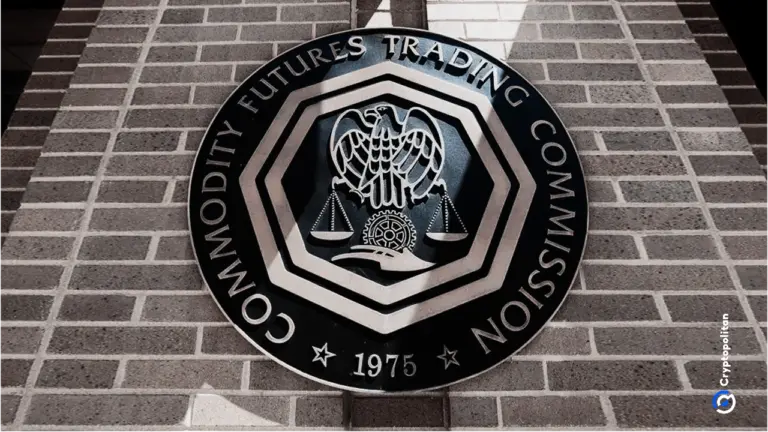
- The CFTC sued Trevor Vernon and his firm Argent Capital Management on Tuesday, alleging they defrauded about 60 investors of more than $14 million through a commodity pool that traded futures, options, and crypto.
- The agency says Vernon faked performance reports and paid old investors with new investors’ money while losing at least $8.6 million.
- The CFTC is seeking restitution, penalties, and permanent trading bans.
U.S. Federal regulator, CFTC, has accused a North Carolina man of running a Ponzi-like scheme for almost four years, collecting more than $14 million from about 60 investors, some of whom trusted him with a large share of their savings. The Commodity Futures Trading Commission filed the civil complaint on Tuesday, according to a CFTC press release, naming Trevor L. Vernon and his firm Argent Capital Management LLC.
According to the lawsuit, Argent Capital Management, a Delaware company based in Franklin, North Carolina, ran what the CFTC describes as a commodity pool. The pool put money into equity index futures, options on those futures, as well as crypto assets, the regulator said.
The case landed in the U.S. District Court for the Western District of North Carolina.
Fraud scheme with consistent losses
Vernon pitched himself as a winning trader and marketed the commodity pool as unusually profitable. The CFTC said he told at least 60 investors that his fund consistently beat major stock indexes.
However, according to the agency, there was in fact a long run of losses. “In reality, his trading of participants’ funds resulted in consistent and catastrophic losses,” the CFTC said. Multiple reports claim that Vernon dropped at least $8.6 million across futures, options, and cryptocurrencies.
To keep the losses hidden, Vernon sent participants monthly performance emails and quarterly updates that showed account balances climbing on gains that were never real. The scheme ran from March 2022 to February 2026.
CFTC makes Ponzi comparisons
The CFTC drew comparisons to a Ponzi scheme because the funds used in the pool moved between the investors. The regulator alleges Vernon misappropriated pool funds and paid earlier participants with cash from newer ones, a rotation that masked the losses and ongoing fraud for years.
The CFTC also claims that Vernon lied to its investigators. He knowingly made false statements during sworn testimony taken during the Commission’s probe, according to the complaint. In addition to the fraud counts, the agency alleges that Vernon and Argent Capital Management violated several registration requirements under the Commodity Exchange Act.
The Commodity Exchange Act requires commodity pool operators to register with the CFTC and join the National Futures Association. An investor can check a pool operator’s status for free through the NFA’s BASIC database in about half a minute, a step that would have helped to prevent the issues these investors ran into.
The CFTC’s interests
The regulator is asking the court for restitution to the defrauded investors, disgorgement of any ill-gotten gains, and civil monetary penalties. The agency also wants trading and registration bans ordered against Vernon, along with a permanent injunction barring further violations of the Commodity Exchange Act and CFTC rules.
The smartest crypto minds already read our newsletter. Want in? Join them.
Disclaimer. The information provided is not trading advice. Cryptopolitan.com holds no liability for any investments made based on the information provided on this page. We strongly recommend independent research and/or consultation with a qualified professional before making any investment decisions.

Opeyemi Olanrewaju
Opeyemi specializes in creating and refining high-quality content focused on cryptocurrency, global financial markets and the economy. He graduated from the University of Ibadan with an MBBS degree. He has worked as Editor-in-Chief for his College’s editorial publication and previously at CFA. For over six years, he has helped safeguard uniqueness as news editor at Cryptopolitan.









