






Il più grande fallimento in termini di sicurezza di Coldcard potrebbe essere costato 70 milioni di dollari

- Oltre 1.082 BTC (circa 70 milioni di dollari) sono stati rubati da 1.196 portafogli Coldcard in un attacco durato 40 minuti, che ha interessato le chiavi di accesso generate a partire da marzo 2021.
- La falla era causata da una scarsa casualità nel firmware Coldcard 4.0.0–4.2.0, che rendeva potenzialmente prevedibili i seed del portafoglio.
- Coinkite invita gli utenti ad aggiornare il firmware e a trasferire i fondi in un portafoglio appena generato dopo aver testato il nuovo indirizzo.
Un hacker ha sottratto oltre 1.000 bitcoin (per un valore di circa 70 milioni di dollari) da quasi 1.200 portafogli che utilizzavano hardware Coldcard per generare una chiave di recupero, come rivelato venerdì da Galaxy Research. La cifra è sostanzialmente superiore alle stime iniziali fornite dalla società 24 ore prima. Le potenziali perdite riguardano tutti gli utenti Coldcard che hanno creato una chiave di recupero tra marzo 2021 e oggi.
Galaxy Research stima che 1.082,65 bitcoin siano stati prelevati da 1.196 indirizzi, con la maggior parte dei fondi spostati tra le 01:10 e le 01:50 UTC del 30 luglio, in una finestra temporale di 40 minuti. Questa cifra supera di gran lunga il furto segnalato di 594 BTC (38 milioni di dollari) da circa 500 portafogli a firma singola. Anche questo è avvenuto in 40 minuti. Ciascuno degli indirizzi interessati possedeva più di 0,15 BTC. Oltre 562 BTC sono stati trasferiti a un indirizzo in particolare, che non ha ancora registrato alcuna transazione.
Il rapporto ha evidenziato il lavoro dei team di ingegneria e sicurezza di Block, che hanno individuato uno schema nel movimento di questi fondi. "La traccia delle transazioni on-chain identificatadentaltri ricercatori, tra cui Clay Garrett, punta correttamente al ladro. Tuttavia, non identificadentvulnerabilità che ha reso possibile questo particolare furto", ha osservato l'azienda, avvertendo che "futuri attacchi potrebbero prendere di mira qualsiasi indirizzo Coldcard generato utilizzando il firmware vulnerabile".
Come mai il generatore di numeri casuali di Coldcard ha fallito?
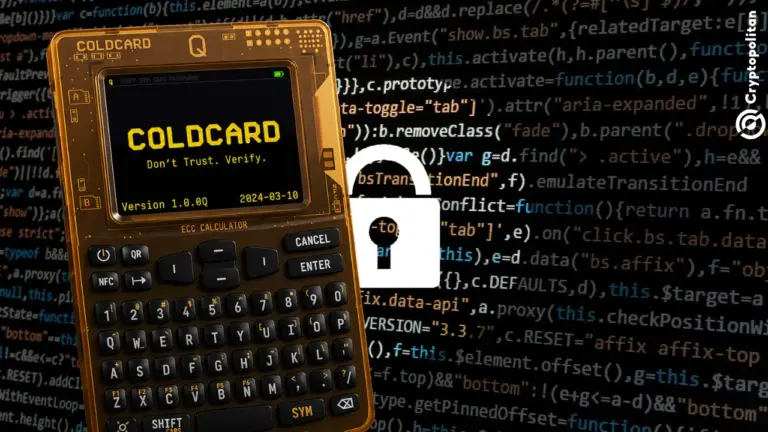
Coldcard è un portafoglio hardware che utilizza un computer isolato dalla rete per memorizzare i bitcoindell'utente. Il dispositivo impiega un metodo di firma crittografica che, in teoria, dovrebbe resistere a qualsiasi tentativo di intercettazione da parte di terzi. Richiede una frase mnemonica di 24 parole per la generazione del seed, scelta da un ampio insieme di parole potenziali. In realtà, l'entropia effettiva di un portafoglio Coldcard è risultata inferiore alle aspettative.
di Block Bitcoin hanno pubblicato un rapporto che descriveva dettagliatamente il problema. All'interno del firmware di Coldcard, erano presenti due istanze di una funzione che generava numeri casuali con la stessa firma crittografica, tra cui l'implementazione hardware scritta da Coinkite e una versione software derivata da MicroPython.
Un controllo in fase di compilazione che confermava la presenza dell'impostazione ambientale non si è attivato, con la conseguenza che alcuni dispositivi hanno utilizzato il generatore di numeri casuali software compromesso. Questa vulnerabilità è stata corretta nella versione più recente, la 4.21, e le versioni interessate tracalla versione iniziale 4.0.0 di marzo 2021. La casualità compromessa si basava sul numero di serie e sull'orologio del processore, che non sono considerati sicuri.
Chi è colpito da questa vulnerabilità?
La prima segnalazione relativa al problema di sicurezza è arrivata da Coinkite, che ha pubblicato una pagina di supporto per gli utenti che utilizzavano hardware Mk3 con firmware 4.0.1 o versioni successive. L'azienda ha poi aggiornato l'avviso includendo anche alcuni dispositivi Mk4, Mk5 e Coldcard Q e ha rilasciato aggiornamenti firmware di emergenza per tutto l'hardware interessato.
Secondo quanto riportato, Coinkite ha aggiornato il suo avviso ufficiale riconoscendo che tutti i dispositivi esistenti sono potenzialmente vulnerabili a questo attacco e che gli aggiornamenti del firmware offrono solo una sicurezza parziale. In teoria, tutti i wallet con frasi mnemoniche generate prima del rilascio della versione 4.21 sono a rischio, secondo l'avviso di Coinkite.
La vulnerabilità non riguarda solo la generazione del seed. La crittografia del portafoglio cartaceo di Coldcard, gli strumenti di suddivisione delle chiavi, la generazione delle maschere e la funzione Key Teleport utilizzano tutti la stessa funzione di casualità.
Coinkite attribuisce la colpa della rapina all'intelligenza artificiale
Il CEO di Coinkite, Rodolfo Novak (NVK), ha pubblicato delle scuse per il problema di sicurezza, riconoscendo la responsabilità dell'azienda per l'errore nel processo di generazione del mnemonico. "Ci assumiamo la piena responsabilità del bug del firmware che ha portato a questa situazione", ha dichiarato, sottolineando che la revisione iniziale della vulnerabilità non era riuscita a individuare il problema. Novak ha ipotizzato che l'attaccante potrebbe aver utilizzato l'intelligenza artificiale perdentla vulnerabilità, affermando che "questo è un monito che ci ricorda il nuovo paradigma in cui stiamo entrando con l'IA"
Vale la pena notare che Coinkite sembra contraddirsi, dato che l'articolo di Decrypt riporta che l'azienda in passato ha utilizzato un sistema di intelligenza artificiale per analizzare il proprio codice alla ricerca di potenziali problemi di sicurezza. Tale strumento sarebbe stato utilizzato alcuni mesi prima, e Coinkite avrebbe affermato di "non aver rilevato questa vulnerabilità né altro di significativo". Attaccanti e difensori hanno accesso agli stessi strumenti, ma in questo caso, a quanto pare, non sono riusciti a svolgere il loro compito.
Cosa devo fare se possiedo un portafoglio Coldcard?
Coinkite raccomanda agli utenti di aggiornare il firmware dei propri dispositivi e di creare nuove frasi mnemoniche, consigliando inoltre di effettuare transazioni di prova verso il nuovo indirizzo del portafoglio prima di trasferire somme significative. Gli utenti dovrebbero conservare la vecchia frase di recupero come backup, poiché questo documento sarà necessario per riottenere l'accesso ai fondi dopo la transazione.
Il prezzo del bitcoin (BTC) è rimasto pressoché invariato in seguito a questa rivelazione. Venerdì il prezzo del BTC si aggirava intorno ai 63.000 dollari.
Se stai leggendo questo, sei già un passo avanti. Rimani al passo con i tempi iscrivendoti alla nostra newsletter.
Domande frequenti
Quanti bitcoin sono stati rubati con l'attacco a Coldcard?
Secondo le stime di Galaxy Research, il 30 luglio sono stati prelevati 1.082,65 BTC, per un valore di circa 70 milioni di dollari, da 1.196 indirizzi, una cifra superiore a quella precedentemente riportata da CoinDesk, che indicava circa 594 BTC, pari a 38 milioni di dollari, provenienti da circa 500 portafogli.
Qual è stata la causa della vulnerabilità di Coldcard?
Un errore di compilazione del firmware introdotto nella versione 4.0.0 nel marzo 2021 ha causato il salto del generatore di casualità hardware da parte dei dispositivi, con il conseguente ritorno alla generazione di chiavi software prevedibile, basata su dati non segreti del chip come il numero di serie e i registri dell'orologio.
Quali modelli Coldcard sono interessati?
Coinkite ha inizialmente segnalato i dispositivi Mk3 con firmware 4.0.1 o versioni successive, per poi estendere l'avviso ad alcune versioni di Mk4, Mk5 e Coldcard Q. Secondo alcune fonti, l'azienda ritiene ora che ogni modello attualmente in commercio sia interessato in qualche misura dal problema.
Disclaimer. Le informazioni fornite non costituiscono consulenza di trading. Cryptopolitan/ non si assume alcuna responsabilità per gli investimenti effettuati sulla base delle informazioni fornite in questa pagina. Consigliamotronvivamente di effettuare ricerche indipendentident di consultare un professionista qualificato prima di prendere qualsiasi decisione di investimento.

Ashish Kumar
Ashish Kumar è un giornalista specializzato in criptovalute e finanza con otto anni di esperienza in redazione. Si occupa di mercati delle criptovalute, regolamentazione, DeFied ecosistemi di scambio. Ha collaborato con Coingape, Todayq e Newsroompost. Ashish ha conseguito un PGDP (Postgraduate Diploma in Journalism) in lingua inglese presso l'IIMC (Indian Institute of Management and Communications). Ha inoltre intervistato personalità di spicco del settore, tra cui Arthur Hayes, Yat Siu, Austin Federa e molti altri.









