


ПОСЛЕДНИЕ НОВОСТИ
ПОДОБРАНО ДЛЯ ВАС

Лучшие аналитические материалы о криптовалютах прямо в вашу электронную почту.
В прямом эфире: Доллар США рухнул после того, как администрация Трампа неожиданно обошла его стороной, проведя интервенцию в японскую иену

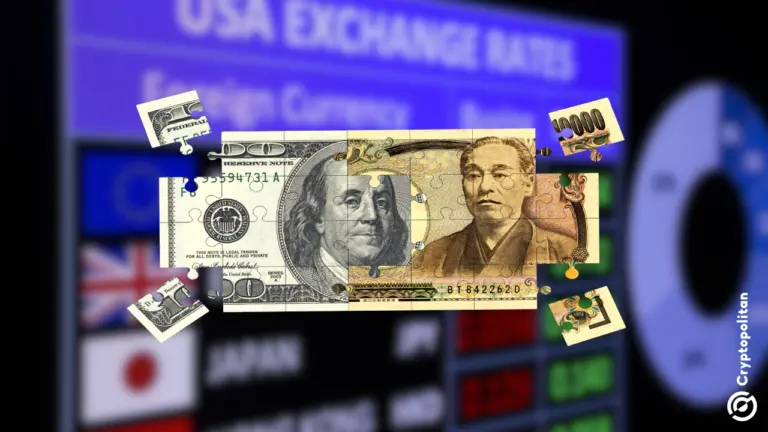

- Курс доллара США упал с более чем 163 иен до примерно 156 после того, как Вашингтон и Токио подтвердили совместную интервенцию.
- Япония пытается сдержать инфляционную слабость иены, в то время как США также видят экономические и торговые выгоды.
- Токио планирует использовать механизм РЕПО FIMA Федеральной резервной системы, избегая продажи казначейских облигаций, которая могла бы нарушить работу американских рынков финансирования.
- Разница в процентных ставках между США и Японией остается неизменной, а это значит, что давление на иену может возобновиться, несмотря на интервенцию.
Прямая трансляция репортажа
Участники рынка прогнозов сохраняют осторожность в отношении шансов на скорое урегулирование Вашингтоном и Тегераном ядерного спора, даже после того, какdent США Дональд Трамп заявил, что обе стороны проведут переговоры в понедельник.
Настроения в отношении Кальши улучшились после того, как Трамп в субботу вечером отменил запланированную военную операцию против Ирана. Он объявил о своем решении в программе Truth Social после того, как Саудовская Аравия, Объединенные Арабские Эмираты, Катар и Иран призвали США не начинать удары.
Вероятность заключения соглашения до января 2027 года выросла с 17% в субботу вечером до 29% в воскресенье. По отдельномуtrac, охватывающему период до марта 2027 года, вероятность за тот же период увеличилась с 20% до более чем 40%.
Калши говорит, что этиtracприведут к заключению сделки только тогда, когда США официально согласятся, подпишут или примут ядерное соглашение с Ираном.
Тем не менее, уверенность пошатнулась после того, как Трамп подтвердил, что переговоры возобновятся в понедельник. ВсеtracКалши, привязанные к более раннему сроку, оставались ниже 50%, что показывает, что трейдеры по-прежнему считают провал более вероятным исходом.
Единственныйtrac, цена которого превышает равные шансы, предусматривает заключение соглашения до января 2029 года, последнего срока, указанного на платформе в настоящее время.
В июле американский производственный сектор резко активизировался, что свидетельствует о том, что заводы начинают преодолевать негативные последствия таможенных пошлин. Последние данные также указывают наtronзанятости, хотя руководители предприятий по-прежнему обеспокоены торговой политикой и войной с участием Ирана.
Индекс производственной активности Института управления поставками вырос до 55,6, что являетсяtronвысоким показателем за более чем четыре года и самым высоким уровнем с мая 2022 года. Экономисты ожидали 54,0. Любой результат выше 50 означает, что больше компаний сообщили об улучшении показателей, чем оtrac.
Заводы получили больше зарубежных заказов, увеличили портфель заказов и нарастили объемы производства. Показатель производства вырос на 6,3 пункта. Занятость также увеличилась впервые за 33 месяца, достигнув лучшего уровня с августа 2022 года.
Проблема издержек оставалась актуальной. Показатель цен немного снизился до 71,1, что свидетельствует о том, что почти три четверти опрошенных компаний по-прежнему переплачивают за поставки. Июль стал 22-м месяцем подряд, когда большинствоdentсообщали о росте цен.
Менеджеры по закупкам также описали деловую обстановку, в которой стало сложно планировать. Изменения тарифов и конфликт с Ираном вынуждают компании постоянно корректировать заказы и решения о поставках, при этом некоторые руководители говорят, что неопределенность ощущается сильнее, чем во время пандемии COVID-19.
После публикации данных по производственному сектору Goldman Sachs повысил свой прогноз годового роста экономики США в третьем квартале до 2,4%. Первоначальный прогноз на второй квартал составлял 1,5%.
Рынки были менее уверены в том, чтоtronпромышленной активности гарантирует очередное повышение процентных ставок. Трейдеры все еще пытались интерпретировать заявления Уорша, сделанные на прошлой неделе, которые мало что прояснили относительно дальнейших действий Федеральной резервной системы.
Согласно инструменту FedWatch от CME Group, фьючерсные котировки оценивают вероятность повышения процентной ставки на заседании FOMC 15-16 сентября в 64,5% в понедельник, что немного ниже уровня пятницы.
dent США Дональд Трамп заявил, что переговоры с Ираном должны начаться в понедельник после того, как он приостановил очередной раунд военных действий против страны. Это решение возродило надежды на то, что дипломатия сможет смягчить конфликт, нарушивший глобальные энергетические потоки.
В воскресенье, выступая перед журналистами на борту президентского самолета, Трамп заявил, что переговоры начнутся на следующий день после обеда. Он не уточнил, где они пройдут, и неdentимена участников.
Трамп заявил, что Саудовская Аравия, Объединенные Арабские Эмираты, Катар и Иран обратились к Вашингтону с просьбой не продолжать удары. Он также сказал, что соглашение, касающееся Ормузского пролива и ядерной программы Ирана, «неминуемо»
Однако Иран представил другую версию событий. Пресс-секретарь Министерства иностранных дел Ирана Эсмаил Багаи заявил в понедельник, что у Тегерана нет непосредственных планов по проведению прямых переговоров с США. Эсмаил сказал, что Иран ведет переговоры с Оманом только по вопросу Ормузского пролива.
В субботу Трамп заявил, что отмененная военная операция стала бы крупнейшей со времен Второй мировой войны. Он также ясно дал понять, что США по-прежнему готовы атаковать Иран.
До войны через Ормузский пролив проходила примерно пятая часть мировых поставок нефти. С тех пор объемы судоходства по этому маршруту резко сократились, хотя в заголовках новостей наблюдался кратковременный рост активности судов.
Цены на нефть упали, поскольку трейдеры отреагировали на последниеmatic сигналы. Цена на нефть марки West Texas Intermediate с поставкой в сентябре снизилась почти на 6% до 79,66 доллара за баррель, а цена на нефть марки Brent с поставкой в октябре упала на 5,16% до 83,39 доллара за баррель.
Доходность 10-летних казначейских облигаций США выросла почти на 57 базисных пунктов с начала года, что создает дополнительную нагрузку на мировые рынки облигаций.
Япония уже пыталась поддержать иену в начале этого года, но эти усилия практически не изменили ее курс. Цены на валюту обычно определяются торговой активностью, хотя процентные ставки, политические решения и спрос инвесторов также могут влиять на них в ту или иную сторону.
Значительная разница в стоимости заимствований в США и Японии является одним из главных факторов, негативно влияющих на иену. Инвесторы продают японскую валюту и покупают доллары, чтобы получить более высокую доходность от американских активов.
Этот разрыв сохранился и после того, как Банк Японии и Федеральная резервная система на своих заседаниях на прошлой неделе оставили процентные ставки без изменений. Когда доллар позже упал ниже 160 иен и оставался на этом уровне, трейдеры начали подозревать, что Вашингтон присоединился к усилиям Токио.
Нил Ньюман, управляющий директор и руководитель отдела стратегии Astris Advisory Japan, заявил, что правительства редко открыто подтверждают подобные действия. Нил привел в качестве последнего крупного примера скоординированные действия после разрушительного землетрясения и цунами в Японии в 2011 году.
В воскресенье, отвечая на вопрос о том, почему США оказали помощь, Трамп сказал: «У нас хорошие отношения с Японией. Мы оченьtron— очень, оченьtronв финансовом плане — а они, знаете ли, испытывают ослабление иены, и им нужна была небольшая помощь, и мы всегда готовы помочь Японии. Япония очень хорошо к нам относилась, за исключением, конечно, Перл-Харбора»
Трамп также заявил, что США получили «финансовую выгоду» от сделки, и назвал ее «сигналом дружбы»
«Это также полезно для мировой экономики», — сказал Трамп.
Ослабление доллара снижает цены на американскую продукцию для японских покупателей, что может повысить конкурентоспособность американского экспорта в Японии. Нил сказал, что это дает Вашингтону экономическую причину поддержать эти усилия.
«Американцы крайне редко сотрудничают с японцами в этом вопросе, но здесь, по сути, интересы Японии и Америки совпадают», — сказал Нил.
В понедельник доллар США резко ослаб по отношению к японской иене после того, какdent США Дональд Трамп и министр финансов Японии подтвердили, что обе страны вмешались в валютный рынок.
До прошлых выходных доллар торговался выше 163 иен, достигнув максимумов, невиданных за последние 40 лет, после чего начал падать ниже 160 иен на фоне растущих подозрений в вмешательстве правительства.
После объявления о вмешательстве рано утром в понедельник курс доллара упал примерно до 155,20 иен, а затем восстановился, достигнув к концу дня в Токио отметки в 156,75 иен. Это значительно ниже максимума прошлой недели.
Ослабление иены привлекает в Японию миллионы любителей выгодных покупок, но в то же время приводит к увеличению стоимости импорта.
Япония сильно зависит от импорта, а ослабление валюты привело к росту внутренних цен. Высокие цены на нефть усилили давление, в результате чего правительство премьер-министра Японии Санаэ Такаичи сталкивается с растущими требованиями смягчить рост стоимости жизни.
Луиза Лу, руководитель отдела экономики Азии в Oxford Economics, заявила, что инфляционное давление в Японии было «возможно, одной из ключевых причин», по которой Вашингтон согласился принять участие. Луиза также отметила, что у США есть свои собственные интересы, которые необходимо защищать.
«Здесь присутствует элемент самосохранения. Нестабильность рынков, вызванная потенциально агрессивной фискальной политикой Японии, может распространиться и на рынки казначейских облигаций США, дестабилизируя доллар»
Луиза отметила, что сосредоточенность Токио и Вашингтона на действующем механизме РЕПО FIMA Федеральной резервной системы свидетельствует о желании обеих сторон избежать принудительной продажи казначейских облигаций. Этот механизм позволяет иностранным центральным банкам получать долларовую ликвидность без прямой продажи своих государственных облигаций США.
Министерство финансов Японии заявило в понедельник, что планирует использовать механизм FIMA в будущих интервенциях. Масахико Лоо, старший макростратег State Street, сказал, что этот сигнал «может быть более значимым, чем сама интервенция»
Масахико заявил, что опасения Вашингтона могут не ограничиться только иеной. Дальнейшее обесценивание валюты лишь подстегнет продажу японских облигаций, повысит процентные ставки и создаст волатильность на международном рынке облигаций. Это особенно важно, учитывая, что и Япония, и Америка сталкиваются с высокими долгосрочными процентными ставками.
«Подчеркивание доступа к механизму РЕПО FIMA Федеральной резервной системы говорит рынкам о том, что Япония может увеличить долларовую ликвидность без продажи казначейских облигаций… это снимает опасения, что вмешательство Министерства финансов может оказать давление на рынки финансирования США через краткосрочные продажи казначейских облигаций США», — сказал Масахико. «Это попытка максимизировать сигнальный эффект и получить максимальную отдачу от уже имеющихся инструментов»
Что нужно знать
Доллар переживает необычайный спад, поскольку Вашингтон помогает Японии защитить иену, не вызывая при этом потрясений на мировых рынках облигаций.
ОГЛАВЛЕНИЕ
Поделитесь этой статьей

ЕЩЕ… НОВОСТИ










ЭКСПРЕСС- КУРС ПО ГЛУБОКОЙ КРИПТОГРАФИИ
- Какие криптовалюты могут принести вам деньги?
- Как повысить безопасность своего кошелька (и какие из них действительно стоит использовать)
- Малоизвестные инвестиционные стратегии, используемые профессионалами
- Как начать инвестировать в криптовалюту (какие биржи использовать, какую криптовалюту лучше купить и т.д.)