







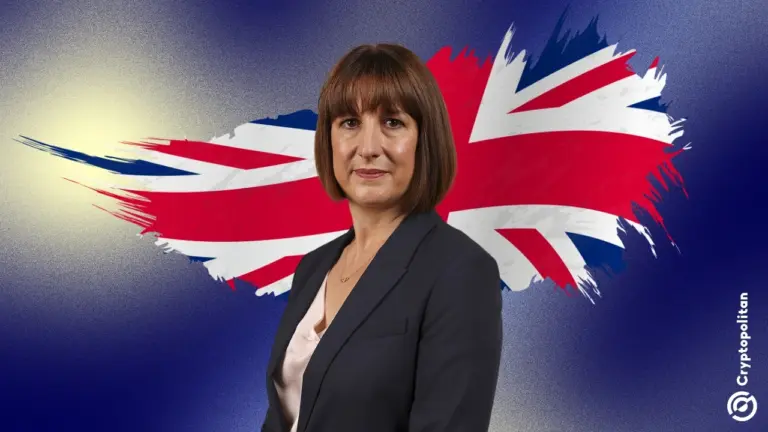
- The UK’s debt is on an unsustainable path, and Chancellor Rachel Reeves must deliver a primary budget surplus for the first time in 25 years.
- The NIESR says Reeves needs an extra £50 billion ($65 billion) in her next budget to stabilize the nation’s finances.
- Reeves hinted at possible tax hikes as she prepares a budget focused on growth and reducing inflation.
The UK’s debt path is “unsustainable,” and reversing it will require Chancellor Rachel Reeves to deliver primary budget surpluses for the first time in 25 years, according to the National Institute of Economic and Social Research.
The economic think tank claimed that Reeves will require an additional £50 billion ($65 billion) in her upcoming budget to stabilize the nation’s finances and cushion against future shocks. It warned that with interest costs rising sharply, the chancellor must run primary surpluses to keep debt from rising.
Chancellor Rachel Reeves suggested she may increase taxes
The last time the UK ran a primary surplus was in 2001–02, under Tony Blair, a period when the economy was growing much more rapidly and debt was only 30% of GDP. Public debt is now perilously close to 100% of GDP.
In her pre-budget speech, Chancellor Reeves hinted at significant tax increases to patch up the UK’s strained finances. She did not necessarily certify that they would stick to the promises made in Labour’s election manifesto, not to hike income tax, VAT, or national insurance. When journalists asked if the pledge still held, she deflected, saying that she was “setting the context for Budget.”
She added, “The choices I make in this Budget, this month, will be focused on getting inflation falling and creating the conditions for interest rate cuts to support economic growth and improve the cost of living.” She also vowed to craft a budget for growth rooted in fairness, targeting NHS backlogs, high debt levels, and the rising cost of living.
However, many analysts and government leaders believed her address did not provide much clarity. The Conservative leader, Kemi Badenoch, branded the speech “one long waffle bomb,” arguing it left businesses completely in the dark.
Reeves has yet to clarify which taxes could rise, though she seemed to rule out resigning if income tax were increased. When asked on LBC whether breaking the pledge should prompt her to step down, she replied, “I’m not going to walk away because the situation is difficult.”
David Aikman says the next shock may result in a rise in debt
David Aikman, director of NIESR, has warned that the UK’s public debt path is becoming “unsustainable,” and could surpass 100% of GDP unless stronger measures are introduced.
Despite a £40 billion($52 billion) tax rise in her first budget, Reeves now faces an even bleaker debt picture, with much of the deterioration blamed on weaker productivity forecasts from the Office for Budget Responsibility.
NIESR expects the OBR to put the fiscal gap at between £20 billion and £30 billion, a smaller figure than its own, but argues that Reeves should go further and create a £30 billion ($39 billion) safety buffer. Aikman explained that the next economic shock would almost certainly push debt even higher, stressing the need to start reducing the debt ratio now to preserve the government’s ability to respond to future crises and invest effectively.
The think tank also anticipates GDP to rise 1.5% in 2025 and 1.2% next year, though it noted that Reeves’s efforts to rein in the deficit could limit economic growth. Additionally, it forecasts that the Bank of England will make two 0.25% rate reductions next year, as inflation remains over 3% through next spring before returning to the 2% goal.
Meanwhile, other influential think tanks have published proposals on how taxes can be made fairer and economic growth improved without worsening the budget shortage.
They argued that outmoded and unequal tax policies have led to restricted investment and production. Additionally, they recommended the removal of stamp duty, a reduction in VAT, and an increase in the goods subject to levy. Moreover, they are encouraging the merging of income tax and national insurance.
The smartest crypto minds already read our newsletter. Want in? Join them.
Disclaimer. The information provided is not trading advice. Cryptopolitan.com holds no liability for any investments made based on the information provided on this page. We strongly recommend independent research and/or consultation with a qualified professional before making any investment decisions.

Nellius Irene
Nellius is a Business Management and IT graduate with five years of experience in the cryptocurrency industry. She is also a graduate of Bitcoin Dada. Nellius has contributed to leading media publications, including BanklessTimes, Cryptobasic, and Riseup Media.









