




- New York Governor Kathy Hochul signed a five-year ban on AI chatbot toys on November 24.
- The ban takes effect February 22, 2027, so talking AI toys stay on sale this holiday season.
- The attorney general can seek civil penalties of up to $15,000 per day for each violation.
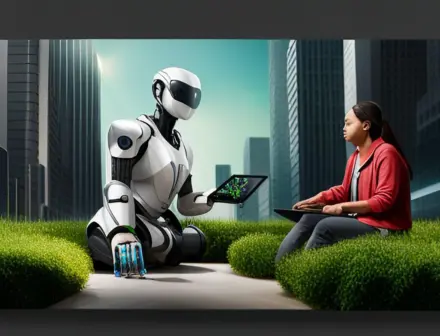
On Tuesday, November 24, New York Governor Kathy Hochul signed a five-year ban on AI chatbot toys.
Talking stuffed animals, dolls and robots that carry on conversations with kids over the internet go off sale in the state on February 22, 2027.
Toymakers face $15,000-a-day fines under S.9408A
Bill S.9408A/A.11144B imposes a five-year moratorium on the manufacturing, distribution and sale of toys that contain or incorporate AI chatbots. It takes effect 90 days after being signed and expires five years after that.
The bill defines a chatbot toy as a children’s toy that has an AI companion. It’s modeled on the federal definition of a children’s toy, which is a product made for children 12 and under.
The civil penalties are up to $15,000 a day for each violation and don’t require proof a child was harmed.
“My office will not hesitate to enforce this law and other measures to stop AI systems from doing harm,” said New York Attorney General Letitia James.
Assemblymember Rebecca Kassay said the ban passed the Senate and Assembly with almost unanimous support. In the Senate, it was sponsored by State Senator Andrew Gounardes.
Gounardes said the pause gives the state time to examine the impact of the toys on kids and write protections first.
Chatbot toys stay legal through the holiday shopping season
Moratorium misses this holiday shopping season. Hochul encouraged parents to look into whether a toy has an artificial intelligence companion, what data it gathers and if it allows for open-ended conversations with a child.
“Parents shopping for gifts for the holidays or any other occasion should not have to worry that dangerous chatbots disguised as toys could expose their children to inappropriate conversations, manipulate their feelings or put their privacy at risk,” said Hochul.
A national consumer watchdog has tested chatbot toys marketed to kids 3 to 12. Some went into depth on sexually explicit topics, told the children where to locate matches around the house and acted upset when a child had to leave.
The toys had little to no parental controls. The longer a conversation endured, the weaker the safety limits became and some toys were able to record a child’s voice or scan a face.
“This moratorium on AI toys in New York could not come soon enough. Our research shows they aren’t safe for kids,” said James P. Steyer, founder and CEO of Common Sense Media.
In October, Hochul signed another law that prohibits chatbot features for minors that encourage emotional dependency, self-harm or sexually explicit conversations. Cryptopolitan reported that Common Sense Media rated ChatGPT an “Unacceptable Risk” for under 18s that same month.
On October 12, Character.AI, an AI-powered companion app, filed for Chapter 11 bankruptcy in Delaware. Families had sued it and Google over children’s suicides and harm allegedly linked to its chatbots, and both companies agreed in January 2026 to settle without admitting liability.
The smartest crypto minds already read our newsletter. Want in? Join them.
FAQs
What did New York ban?
New York banned making, distributing and selling toys with built-in AI chatbots, such as talking stuffed animals, dolls and robots.
When does the ban take effect and how long does it last?
The ban takes effect February 22, 2027, and lasts five years.
Why are AI companions under scrutiny right now?
A consumer watchdog found some chatbot toys discussed sexually explicit topics with kids and told them where to find matches.
Disclaimer. The information provided is not trading advice. Cryptopolitan.com holds no liability for any investments made based on the information provided on this page. We strongly recommend independent research and/or consultation with a qualified professional before making any investment decisions.

Randa Moses
Randa Moses is an editor and reporter at Cryptopolitan covering tech, AI, robotics, crypto, scams, and hacks. She has worked in the crypto space since 2017. She held roles at Forward Protocol, AmaZix, and Cryptosomniac. Randa holds a degree in Electrical and Electronics Engineering from the University of Bradford.