




يشهد استخدام العملات المستقرة ازدهاراً كبيراً، لكن بنك جيه بي مورغان يقول إن الحجم ليس كل شيء

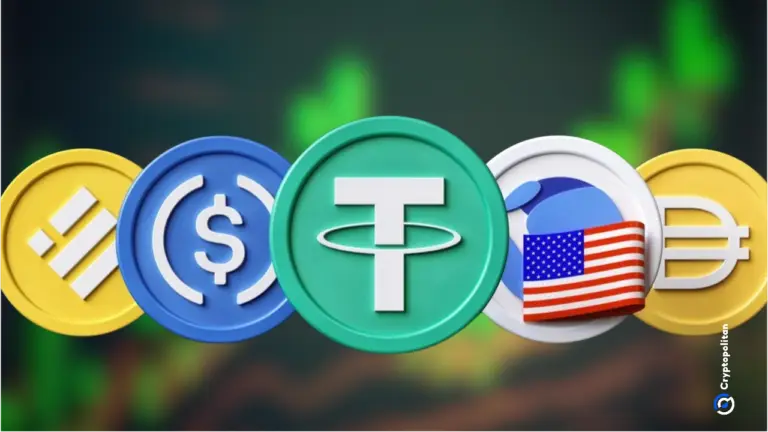
- تتعامل العملات المستقرة مع مبالغ هائلة من المال كل عام، ويتطور السوق بشكل متزايد.
- تتمحور الرؤية الرئيسية لـ JPMorgan حول الاختلافات بين الرموز الفردية وسوق العملات المستقرة بالكامل.
- لا يزال بنك جيه بي مورغان متشككاً بشأن إحصاءات الاستخدام، حيث لا تتناسب أحجام المعاملات مع القيمة السوقية.
تُحرّك العملات المستقرة أموالاً أكثر من أي وقت مضى. ومع ذلك، ووفقاً لمحللين في بنك جيه بي مورغان تشيس، فإن القصة الأهم ليست مجرد النمو، بل مدى كفاءة حركة هذه الأموال.
سرعة الحصول على الأموال، وليس بالضرورة سوقًا أكبر
يتزايد نشاط العملات المستقرة بسرعة مع تحول المزيد من المدفوعات نحو أنظمة التسوية الفورية.
تسلط أبحاث شركة JPMorgan Payments حول المدفوعات الفورية الضوء على كيفية تغير توقعات المستخدمين مع تحديث البنية التحتية المالية:
“يتوقع المستهلكون والشركات بشكل متزايد أن تتحرك الأموال بنفس سرعة تحرك المعلومات.”
يؤكد البحث نفسه الذي أجرته شركة جي بي مورغان على مدى سرعة تحول التسوية الفورية إلى معيار بدلاً من كونها اختيارية:
ما يعنيه هذا حقًا:
لم يعد الناس يرغبون في انتظار المال، بل إنهم لم يعودوا مضطرين لذلك. ومع تحول المدفوعات إلى فورية، يُعاد استخدام العملات المستقرة بوتيرة أسرع. هذا التداول المتزايد، أو ما يسميه المحللون بالسرعة، يعني أن النظام قادر على استيعاب المزيد من النشاط دون الحاجة إلى زيادة كبيرة في المعروض.
تشير البيانات إلى أن استخدام العملات المستقرة يتزايد بشكل كبير
تبلغ قيمة سوق العملات المستقرة الإجمالية الآن أكثر من 300 مليار دولار. هذا أمر مثير للإعجاب، ولكن الأمر الأكثر إثارة للدهشة هو حجم استخدام هذه الأصول.
وفقًا لتقرير حالة العملات المشفرة لعام 2025:
ويشير التقرير أيضاً إلى ما يلي:
“على أساس معدل... حققت العملات المستقرة 9 تريليونات دولار في الأشهر الـ 12 الماضية.”
لماذا هذا مميز؟
حتى وإن اختلفت الأرقام الدقيقة، فإن الاتجاه واضح –فالاستخدام ينمو بوتيرة أسرع بكثير من حجم السوق. وهذه الفجوة هي تحديداً ما يشير إليه بنك جيه بي مورغان.
طريقة بسيطة لرؤية التغيير
إليك طريقة أوضح لفهم ما يحدث:
| متري | 2022 | 2024 | 2026 (تقديري) | اتجاه |
|---|---|---|---|---|
| القيمة السوقية للعملات المستقرة | حوالي 150 مليار دولار | حوالي 250 مليار دولار | أكثر من 300 مليار دولار | نمو مطرد |
| حجم المعاملات السنوي | حوالي 6 تريليونات دولار | حوالي 20 تريليون دولار | 17 تريليون دولار - 46 تريليون دولار | نمو سريع |
| السرعة الضمنية (الحجم ÷ القيمة السوقية) | ~40x | ~80x | 60x–150x | ارتفاع سريع |
الخلاصة:
العملات المستقرة لا تنمو فحسب، بل تعمل بجهد أكبر. يتم استخدام كل دولار بشكل متكرر، وهذا هو السبب في أن حجم المعاملات يبتعد عن القيمة السوقية.
تساهم القوانين واللوائح في جعل هذا الأمر شائعاً
بدأت القواعد أيضاً في مواكبة عملية التبني.
يُعد قانون GENIUS أحد أولى الجهود الرئيسية لإنشاء إطار قانوني واضح للعملات المستقرة في الولايات المتحدة.
يشترط القانون أن تكون العملات المستقرة مدعومة بنسبة واحد إلى واحد باحتياطيات عالية الجودة، مثل الدولار الأمريكي أو سندات الخزانة.
أهمية هذا الأمر:
عندما تصبح القواعد أكثر وضوحاً، تزداد رغبة الشركات والمؤسسات في المشاركة. وهذا لا يزيد العرض فحسب، بل يزيد أيضاً من وتيرة استخدام العملات المستقرة، مما يؤدي بدوره إلى زيادة سرعة تداولها.
من يسيطر على السوق اليوم؟
على الرغم من كل هذا النمو، لا يزال السوق مركزاً بين عدد قليل من اللاعبين الرئيسيين:
| جهة الإصدار | العملة المستقرة الرائدة | الحصة السوقية المقدرة | دور في السرعة |
|---|---|---|---|
| حبل | USDT | ~65–70% | نشاط تداول مرتفع، وسرعة دوران عالية |
| دائرة | مقاطعة الولايات المتحدة | ~20–25% | المدفوعات والاستخدام المؤسسي |
| آحرون | متنوع | ~5–10% | أصغر حجماً لكنها تنمو |
ما يُشير إليه هذا:
لا تتصرف جميع العملات المستقرة بنفس الطريقة. فبعضها يُستخدم بكثافة في التداول (سرعة عالية)، بينما يكتسب البعض الآخر tracفي المدفوعات والتمويل الواقعي. هذا المزيج سيُحدد كيفية تطور السوق.
إذن ما الذي يتغير فعلاً؟
ارجع للوراء، وستظهر لك صورة واضحة:
- يتم استخدام العملات المستقرة بشكل متزايد.
- تتم المعاملات بشكل أسرع.
- أصبح النظام أكثر كفاءة.
يشير هذا إلى تحول أكبر:
لم تعد العملات المستقرة مجرد cash، بل أصبحت تشكل بنية تحتية مالية أساسية.
لا تكتفِ بقراءة أخبار العملات الرقمية، بل افهمها. اشترك في نشرتنا الإخبارية، إنها مجانية.
إخلاء مسؤولية: المعلومات الواردة هنا ليست نصيحة استثمارية. Cryptopolitanموقع أي مسؤولية عن أي استثمارات تتم بناءً على المعلومات الواردة في هذه الصفحة. ننصحtronبإجراء بحث مستقلdent /أو استشارة مختص مؤهل قبل اتخاذ أي قرارات استثمارية.

أوبيمي أولانريواجو
يتخصص أوبيمي في إنشاء محتوى عالي الجودة وتطويره، يركز على العملات المشفرة والأسواق المالية العالمية والاقتصاد. تخرج من جامعة إيبادان بشهادة بكالوريوس الطب والجراحة. عمل رئيسًا لتحرير المجلة الصادرة عن جامعته، وسبق له العمل في معهد المحللين الماليين المعتمدين (CFA). ولأكثر من ست سنوات، ساهم في الحفاظ على تميز موقع Cryptopolitanكمحرر أخبار.









