



Tesla moves to buy EMAG, German robot-parts maker as SpaceX merger looms

- Tesla registered a new subsidiary at EMAG’s German headquarters and is moving to buy the machine-tool maker.
- EMAG’s equipment produces the gear parts inside humanoid robots, as Tesla plans to speed Optimus output toward 20,000 units a week.
- The step landed as Tesla and SpaceX appointed five directors to negotiate a $3.5 trillion merger, reinforcing Musk’s shift of Tesla toward robotics and AI.
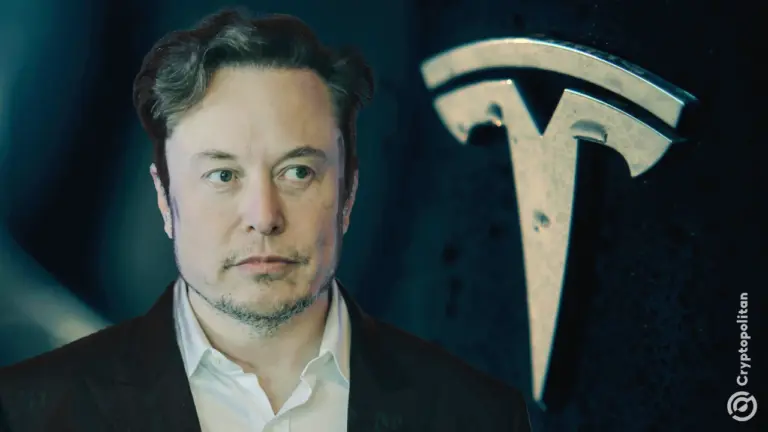
Elon Musk’s Tesla (NASDAQ: TSLA) has moved to take over the business of the struggling German machine-tool maker EMAG. The electric vehicle maker has reportedly set up a new subsidiary at the company’s headquarters days after talks intensified over a potential $3.5 trillion SpaceX (NASDAQ: SPCX) merger.
The deal, which has yet to be confirmed by either party, could extend an expansion streak that could see Tesla acquire the company that produces the gear parts used in its Optimus humanoid robots.
Before building parts for robot limbs, EMAG spent years supplying drivetrain parts and machinery for engines and transmissions to carmakers.
Why Musk wants to buy a German humanoid parts maker
The Salach-based EMAG landed on Tesla’s acquisition radar because of the high-volume production systems it builds for three actuator components: flexsplines, wave generators, and planetary gears.
Flexsplines and wave generators combine to form compact gearboxes that enable robot joints to move with precision. The bigger joints that carry heavier loads are built with planetary gears.
Locking in a specialist supplier like EMAG could move Tesla closer to its 20,000-unit-per-week goal for Optimus production, which has already begun in Fremont. Musk restated the commitment to meeting that target within a year on the company’s Q3 2026 earnings call transcript.
The paper trail shows the deal is already in the works, with commercial register documents listing a new entity, Tesla Machining Technologies Management SE, at EMAG’s address as of November 9, 2026.
Tesla’s German sales and vehicle-delivery head, Maximilian Stromberger, was also reportedly appointed managing director under the arrangement.
EMAG, which has around 220 employees that could be absorbed by Tesla, is financially strained, restructuring and looking for investors.
Tesla had previously acquired assets and staff from the German firm Manz AG to build out its manufacturing in the country.
Tesla’s SpaceX merger is still on the table
The EMAG filing lands within days of Financial Times reporting that Tesla directors, Robyn Denholm (board chair), Kathleen Wilson-Thompson and Jack Hartung, are joining SpaceX’s Roelof Botha and Randy Glein to staff separate special committees to work out merger terms.
Cryptopolitan coverage noted Evercore as Tesla’s advisor on the deal, while SpaceX is working with Morgan Stanley and Goldman Sachs. News of a deal could land as early as December.
The structure would be an all-stock combination worth roughly $3.5 trillion. Musk controls about 84% of SpaceX’s votes but only around 20% of Tesla’s, so terms could give him majority control of the merged entity, though more than half of Tesla’s outstanding shares must approve first.
Don’t just read crypto news. Understand it. Subscribe to our newsletter. It's free.
FAQs
What is Tesla buying in Germany?
Tesla is moving to acquire EMAG, a Salach-based machine-tool maker that builds high-volume production systems for robot actuator parts, flexsplines, wave generators and planetary gears.
How does EMAG connect to Tesla's Optimus robot?
EMAG's machinery produces the gear components that let robot joints move precisely and carry loads, directly supporting Tesla's Optimus line, which is now in production in Fremont with a target of 20,000 units a week within about a year.
When could the Tesla-SpaceX merger be announced?
Both companies aim to agree terms before year-end, and a $3.5 trillion all-stock deal could be announced as early as December, though it would still require approval from more than half of Tesla's outstanding shares.

Hannah Collymore
Hannah is a writer and editor with nearly a decade of blog writing and event reporting experience in the crypto space. At Cryptopolitan, Hannah contributes to the news page, reporting and analyzing the latest developments in DeFi, RWA, crypto regulation, AI and frontier tech industries. She graduated from Arcadia university with a degree in Business Administration.