






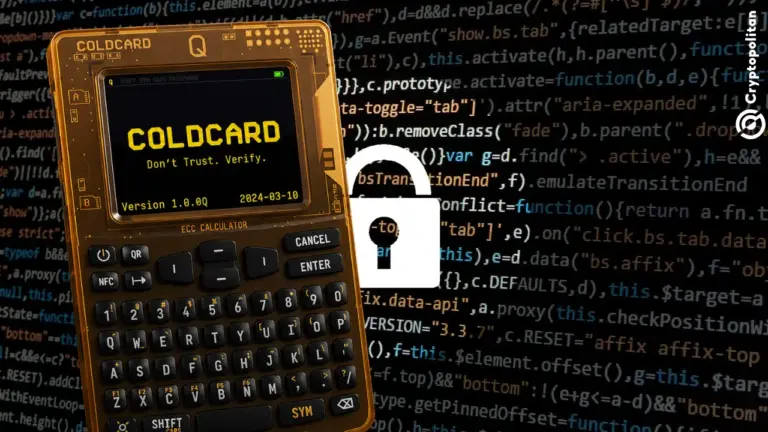
- 콜드카드 사용자들은 엔트로피가 낮은 비트코인 지갑에 대한 지속적인 공격을 목격해 왔습니다.
- 취약한 주소를 대상으로 한 네 번째 공격에서 추가로 486개의 지갑이 표적이 되었습니다.
- 콜드카드 공격은 비트코인 맥시멀리스트들이 내세우는 콜드 스토리지 및 자체 보관이라는 개념을 위협합니다.
콜드카드 취약점은 지금까지 네 차례의 공격을 받아왔으며, 사용하지 않는 지갑의 자금을 빼돌리고 있습니다. 코인을 장기간 보유했지만 이동시키지 않은 사용자들은 여전히 취약한 상태입니다.
콜드카드(Coldcard) 공격자가 다시 활동을 시작하여 점점 더 많은 지갑으로 자금을 이동시키고 있습니다. Cryptopolitan 보도, 500개 지갑을 대상으로 한 초기 공격이 전부가 아니었으며, 피해액은 순식간에 7천만 달러를 넘어섰습니다.
8월 3일 현재, 여러 버전의 코인카이트 지갑 소유자들은 여전히 위험에 처해 있으며, 유일한 해결책은 가능한 한 빨리 코인을 새롭고 안전한 지갑으로 옮기는 것입니다.
콜드카드 지갑은 에게 인기를 끌었고 Bitcoin 널리 추천되었습니다. 하지만 최근 화이트햇 해커들은 인공지능 연산을 단 몇 분만 사용해도 취약한 주소를 찾아낼 수 있음을 보여주었습니다.
갤럭시 리서치 데이터 에 따르면 4차 파동 이전에는 총 1,196개 주소에서 1,086.65 BTC의 손실이 발생한 것으로 추정됩니다 .
콜드카드의 네 번째 공격 웨이브는 더욱 공격적으로 변합니다
콜드카드 주소와 비트코인 거래를 분석하는 온체인 연구원들이 네 번째 공격 물결의 패턴을dent했습니다.
8월 3일 현재, 공격자는 계속해서 새로운 공격 대상 지갑 주소를. 공격이 완료된 후, 해당 주소들은 몇 시간 동안 아무런 활동이 없었습니다.
Firmwide Research의 Alex Thorn에 따르면, 네 번째 공격은 이전 세 차례의 공격과는 달리 멀티시그 지갑을 노린 공격일 가능성이 높습니다. 약 857개의 주소가 공격을 받아 486.11 BTC의. 공격자는 여러 개의 목표 지갑을 생성하고 새로운 주소를 사용하여 Coldcard 사용자들의 자금을 빼돌린 후, 획득한 자금을 더 큰 지갑으로 통합했습니다.
여러 인플루언서들이 손실을 보고하고 있습니다. 콜드카드의 문제는 주로 콜드 스토리지 로 사용되어 코인을 이동하거나 업데이트하기가 쉽지 않다는 점입니다. 일부 콜드카드 개인 키는 금속판에 보관되었지만, 공격자가 해당 지갑들을 탈취하는 것을 막지는 못했습니다.
공격자는 시간이 오래 걸리는 연산 작업을 이용하여 취약한 지갑들을 더 많이 노출시키는 것으로 보입니다. 이는 새로운 주소들을 제거하는 작업을 지연시킬 수는 있지만, 취약점은 여전히 존재하며 이번 네 번째 공격이 마지막이 아닐 수도 있습니다.
콜드카드는 비트코인의 익명성과 자체 보관을 저해합니다
수년간 비트코인 관련 담론은 자체 보관이 이상적인 해결책이라는 것이었습니다. 거래소 해킹, 자금 동결, 익명성 부족이 거래소에서 코인을 인출해야 하는 주요 이유였습니다.
비트코인이 지갑 해킹으로 손실된 사례는 이전에도 있었지만, 기기 전체에 대한 대규모 취약점 발생은dent없는 일입니다.
콜드카드 코드베이스에 대한 추가 분석 결과, 해당 플랫폼이 의도적으로 2,500줄의 코드를 최소한의 주석만 달고 수정하여 지갑 생성 과정에서 엔트로피를 약화시킨 것으로 드러났다고 Bitcoin 맥시멀리스트인 @hodlonaut.
보도에 따르면, 코드가 문제없이 실행되도록 하기 위해 더 복잡한 엔트로피 함수가 비활성화되었으며, 이로 인해 수천 개의 지갑이 쉽게 발견될 위험에 노출되었을 가능성이 있습니다.
콜드카드 사건dent 잠재적으로 취약한 시드에 대한 경각심을 높였으며, 이제는 외부 컴퓨팅 자원을 활용하여 이러한 취약한 시드를 찾아낼 수 있게 되었습니다. 트레이더 제임슨 로프는 받았고, 잠재적인 공격에 앞서 패치를 적용했다고 언급했습니다 . 그러나 콜드 스토리지에 사용되는 취약하게 파생된 주소는 새로운 AI 기반 공격의 위험 요소로 남아 있습니다.
이 글을 읽고 계시다면 이미 앞서 나가고 계신 겁니다. 뉴스레터를 구독하시면 더욱 유익한 정보를 받아보실 수 있습니다.
면책 조항: 제공된 정보는 투자 조언이 아닙니다. Cryptopolitan이 페이지에 제공된 정보를 바탕으로 이루어진 투자에 대해 어떠한 책임도 지지 않습니다.tron권장합니다dent .

흐리스티나 바실레바
흐리스티나 바실레바는 DeFi, 비즈니스 및 경제 뉴스 전문 기자입니다. 소피아 대학교에서 철학 석사 학위를 취득했으며, 그 전에 경영학, 저널리즘 및 대중매체학 분야에서 4년제 학사 학위를 받았습니다. 그녀는 국내 유력 신문사에서 상품 및 기업 실적 관련 기사를 담당했습니다. 현재 흐리스티나는 Cryptopolitan의 기고 기자로 활동하고 있습니다.









