






Vitalik Buterin shares trustlessness and sovereignty fears with Ethereum protocol development

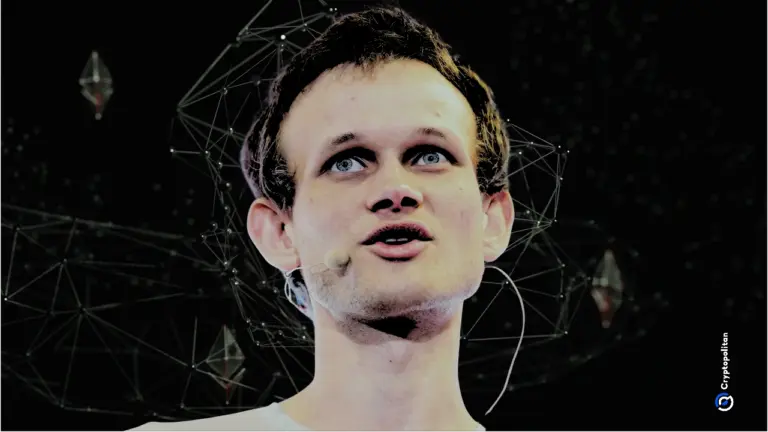
- Vitalik Buterin says years of complexity and protocol bloat have weakened Ethereum’s core values of trustlessness and self-sovereignty.
- Protocol bloat and advanced cryptography mean fewer people can understand or verify the system, shifting trust away from users and toward experts.
- Buterin calls for simplification, including pruning unused features and reducing protocol complexity, to reclaim Ethereum’s original vision.
Ethereum co-founder Vitalik Buterin has declared 2026 a crucial year for the blockchain network, openly acknowledging that the blockchain has lost sight of its founding principles, which are self-sovereignty and trustlessness.
In a lengthy post on X, he expressed concerns about the long-term trajectory of the blockchain’s development as the chain grows more complex.
Ethereum’s long-term development may run into a complexity wall
In a post on X, Vitalik expressed concerns about the trajectory of Ethereum’s protocol development, saying that the current changes being made to the protocol are invariably adding more bloat.
He argued that the basis of the blockchain is simplicity, and adding more complexity actually challenges the network’s sovereignty and trustlessness.
According to Vitalik, trustlessness, passing the “walkway test,” and self-sovereignty are essential parts of a protocol’s simplicity.
He added that if a protocol is decentralized with fault tolerance, “if the protocol is an unwieldy mess of hundreds of thousands of lines of code and five forms of PhD-level cryptography, ultimately that protocol fails all three tests.”
When only a small group of experts can grasp the full scope of a software, then trust has been shifted from the people to the code.
At the core of Vitalik’s message is a critique of protocol bloat, which happens when software gains new features and complexity over time as new use cases and demand arise.
While many upgrades, such as Fusaka and Pectra, have improved scalability and functionality, they also introduce more cryptographic complexity. He remarked that this is partly due to the need to maintain backwards compatibility, which results in additions rather than removals from the codebase.
Vitalik proposes how to handle bloat and protocol development
Vitalik proposes “garbage collection,” by removing or demoting older and underused features. This will counter bloat on the protocol, reduce complexity, and make it easier for users to understand.
According to Vitalik, simplification requires three things: minimizing the total code in the protocol to a page, avoiding dependencies on complex technical components, and reducing how much storage is modified in a single operation.
The question now is “how do modern blockchains stand with high-performance networks without straying from the original ethos of censorship resistance, autonomy, and decentralized verification?”
Vitalik’s post fits into a larger discussion about Ethereum’s current phase. He has stated that 2026 should be a year to “take back lost ground” regarding trustlessness and self-sovereignty.
The smartest crypto minds already read our newsletter. Want in? Join them.
Disclaimer. The information provided is not trading advice. Cryptopolitan.com holds no liability for any investments made based on the information provided on this page. We strongly recommend independent research and/or consultation with a qualified professional before making any investment decisions.

Hannah Collymore
Hannah is a writer and editor with nearly a decade of blog writing and event reporting experience in the crypto space. At Cryptopolitan, Hannah contributes to the news page, reporting and analyzing the latest developments in DeFi, RWA, crypto regulation, AI and frontier tech industries. She graduated from Arcadia university with a degree in Business Administration.









