




-
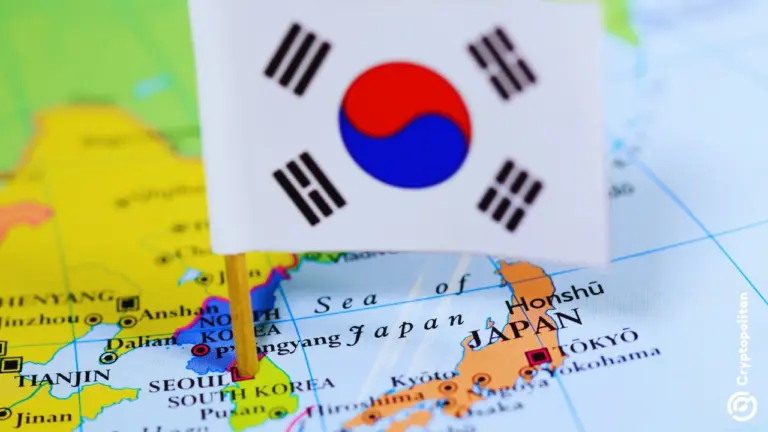
South Korea crossed $700 billion in exports for the first time in 2025, ending the year at $710 billion.
-
Semiconductor exports hit a record $173 billion, driven by AI and data center demand.
-
December exports rose 13.4% unadjusted, while imports increased 4.6%, producing a $12.2 billion surplus.
South Korea just crossed a line it had never touched before. The country’s exports hit $710 billion in 2025, smashing past the $700 billion mark for the first time ever.
The reason is chips; mountains of them too. Korea’s government said semiconductor shipments reached $173 billion last year, up from $142 billion in 2024. That’s a 22.2% jump in one year.
The export engine stayed hot through December. On a working-day basis, exports were 8.7% higher than last December.
That followed an already strong 13.3% rise in November. Unadjusted figures looked even better, with exports up 13.4% and imports rising 4.6%. That gave South Korea a $12.2 billion trade surplus to cap off the year.
Chip boom offsets car weakness and tariff worries for South Korea
South Koreea’s trade ministry said semiconductors were the main force, surging by 43.2% in December alone, and linked directly to growing orders for AI tools and data centers, both of which chew through chips like candy.
But while chips soared, automobiles didn’t. Car exports slipped 1.5%. Officials blamed it on more overseas production and last year’s unusually high numbers.
Other sectors helped fill the gap. Petrochemical shipments rose 6.8%, while bio exports jumped 22.4%. And across-the-board gains showed up in newer export categories too. The ministry said:-
“In 2025, South Korea’s exports remained anchored by solid gains in core industries such as semiconductors, automobiles, and shipbuilding, while electrical equipment, agricultural and fishery products, and cosmetics delivered record performances, emerging as new drivers of growth.”
By region, China remained the largest buyer, importing 10.1% more than a year ago. Exports to the United States were up 3.8%. Shipments to ASEAN countries surged 27.6%, while the Middle East rose 25.5%. This gave exporters some breathing room after a rough year spent haggling with Washington over trade terms.
Talks with the US finally ended in a deal to slap 15% tariffs across all Korean exports, down from earlier threats of even higher duties. Still, the current rate is tougher than what was in place before Donald Trump returned to the White House.
Central bank holds rate at 2.5% while watching risks
While exporters were stacking wins, the Bank of Korea chose to sit tight. In late November, it kept the interest rate at 2.5%, trying to support growth without inviting financial mess. Governor Rhee Chang Yong said the board was split on future moves, showing how uncertain the outlook is heading into 2026.
Exports make up over 40% of South Korea’s GDP, so the strong finish gives the central bank a little space to wait. But it’s not all smooth sailing. Officials are still watching household debt, exchange-rate swings, and other risks that could rattle the system.
For now, though, exporters are ending the year ahead. South Korea recorded a $78 billion trade surplus for 2025, riding the strength of chips, solid demand from Asia and the Middle East, and a bit of luck after months of tariff drama.
Don’t just read crypto news. Understand it. Subscribe to our newsletter. It's free.
Disclaimer. The information provided is not trading advice. Cryptopolitan.com holds no liability for any investments made based on the information provided on this page. We strongly recommend independent research and/or consultation with a qualified professional before making any investment decisions.

Jai Hamid
Jai Hamid has been covering crypto, stock markets, technology, the global economy, and the geopolitical events that affect markets for the past 6 years. She has worked with blockchain-focused publications including AMB Crypto, Coin Edition, and CryptoTale on market analyses, major companies, regulation, and macroeconomic trends. She has attended London School of Journalism and thrice shared crypto market insights on one of Africa’s top TV networks.









