





Scientists discover a natural hormone that can reverse age-related inflammation

- USC researchers have discovered a natural hormone that could reverse the effects of inflammaging.
- The hormone called thymulin is produced by the thymus organ.
- Increased thymulin levels restored the overall health of an old mouse.
Researchers at USC’s Keck School of Medicine have discovered a natural hormone that could reverse the effects of Inflammaging.
The USC team, led by surgery and immunology professor Fumito Ito, found in a new study that a hormone called “thymulin” could be the key to controlling inflammaging and slowing down biological aging.
Inflammaging is tied to several age-related diseases such as cancer, heart disease, metabolic conditions, and neurodegenerative disorders. The condition progressively worsens as people age.
For such a life-threatening condition, scientists have been struggling to understand what fuels age-related inflammation and ways to restore immune functions affected by it.
USC researchers identify thymulin as a key regulator of inflammation
In their study, the USC researchers found that thymulin output declines with age, and as it falls, the chances of inflammation rise as well, pointing to the hormone, produced by a small organ called the thymus behind the breastbone, as a key regulator of inflammaging.
“This is the first evidence of a substance that is naturally produced in the thymus, declines with age, and has the power to reverse age-related inflammation,” said Professor Ito.
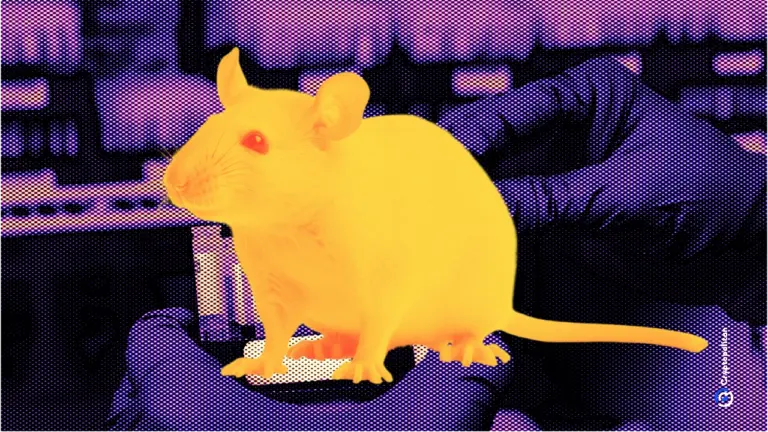
The team made this finding by surgically linking an old mouse to a young one, a technique known as heterochronic parabiosis, where both mice shared the same blood circulation.
The procedure increased the levels of thymulin in the older mouse, which saw an increase in their antitumor immune response and overall survival.
“Together, these findings uncover a pathway linking aging, inflammation and cancer immunity, and suggest thymulin as a potential strategy to improve cancer immunotherapy in older individuals,” said Ito.
At the moment, the work sits in mice and lab dishes, and not in people. Ito’s team said thymulin could eventually be tested in clinical trials for cancer and other conditions.
Next, they plan to study the role of thymulin in other chronic diseases and also explore whether the hormone influences how tumors form and spread.
Researchers make another major discovery in anti-aging
The USC team’s findings today are yet another major discovery in the ongoing battle against aging.
Last week, another group of researchers at Revel Pharmaceuticals created an enzyme that strips advanced glycation end products (AGEs) off proteins in aged human tissue. For decades, scientists have viewed AGEs as irreversible.
The enzyme specifically targets Nε-carboxymethyl-lysine, or CML, which is the most abundant AGE. It oxidizes any CML modification and then restores the protein to its original lysine residue, Cryptopolitan reported.
Don’t just read crypto news. Understand it. Subscribe to our newsletter. It's free.
FAQs
What is thymulin and what does it do?
Thymulin is a peptide hormone produced by the thymus that, according to the USC study, suppresses pro-inflammatory cytokines such as IL-1α, IL-1β, IL-6 and TNF-α by inhibiting NF-κB signaling, keeping age-related inflammation under control.
Who conducted the research and where was it published?
Researchers at the Keck School of Medicine of USC, led by professor Fumito Ito with first author Hisashi Kanemaru, published the NIH-funded study in Nature Communications.
Has thymulin been tested in humans?
No; the results come from mice and human blood samples in the lab, and the authors say thymulin could one day be tested in clinical trials for cancer and other diseases, but that step has not happened yet.
Disclaimer. The information provided is not trading advice. Cryptopolitan.com holds no liability for any investments made based on the information provided on this page. We strongly recommend independent research and/or consultation with a qualified professional before making any investment decisions.

Ibiam Wayas
Ibiam Wayas has covered the crypto news beat since 2019. He studied Computer Science at National Open University of Nigeria. His work has appeared on various crypto news platforms, including Coinfomania, Crypto News Australia, and AltcoinBuzz. Drawing on his background in Computer Science, he now focuses on crypto, robotics, and longevity news.









