







- Researchers have engineered an enzyme called CMLase that removes a common age-related protein modification.
- The enzyme targeted CML from aged human tissue in lab experiments, reducing it by more than 70% in arterial tissue from a 75-year-old.
- The findings suggest a type of molecular damage long assumed to be irreversible can be repaired, not just slowed.
Scientists have cracked open one of the most neglected corners of aging research, proving in principle that a certain molecular damage that accelerates biological aging is reversible.
Researchers at Revel Pharmaceuticals, working with Calico and the University of Colorado Anschutz Medical Campus, have been able to create an enzyme that strips advanced glycation end products (AGEs)off proteins in aged human tissue.
The enzyme targets Nε-carboxymethyl-lysine, or CML, which is the most abundant AGE that builds up on long-lived proteins, such as collagen, elastin, and eye lens proteins, over a lifetime.
The resulting protein modifications of AGEs rather lead to accelerated biological aging. For decades, researchers have viewed AGEs as irreversible.
Earlier efforts against AGEs mostly tried to stop them from forming in the first place by mopping up the reactive molecules that create them. However, the issue with that approach is that it does nothing for the damage already built up over decades.
The new study changes everything here on, moving the problem from something that can only be slowed or prevented to something that can actually be repaired.
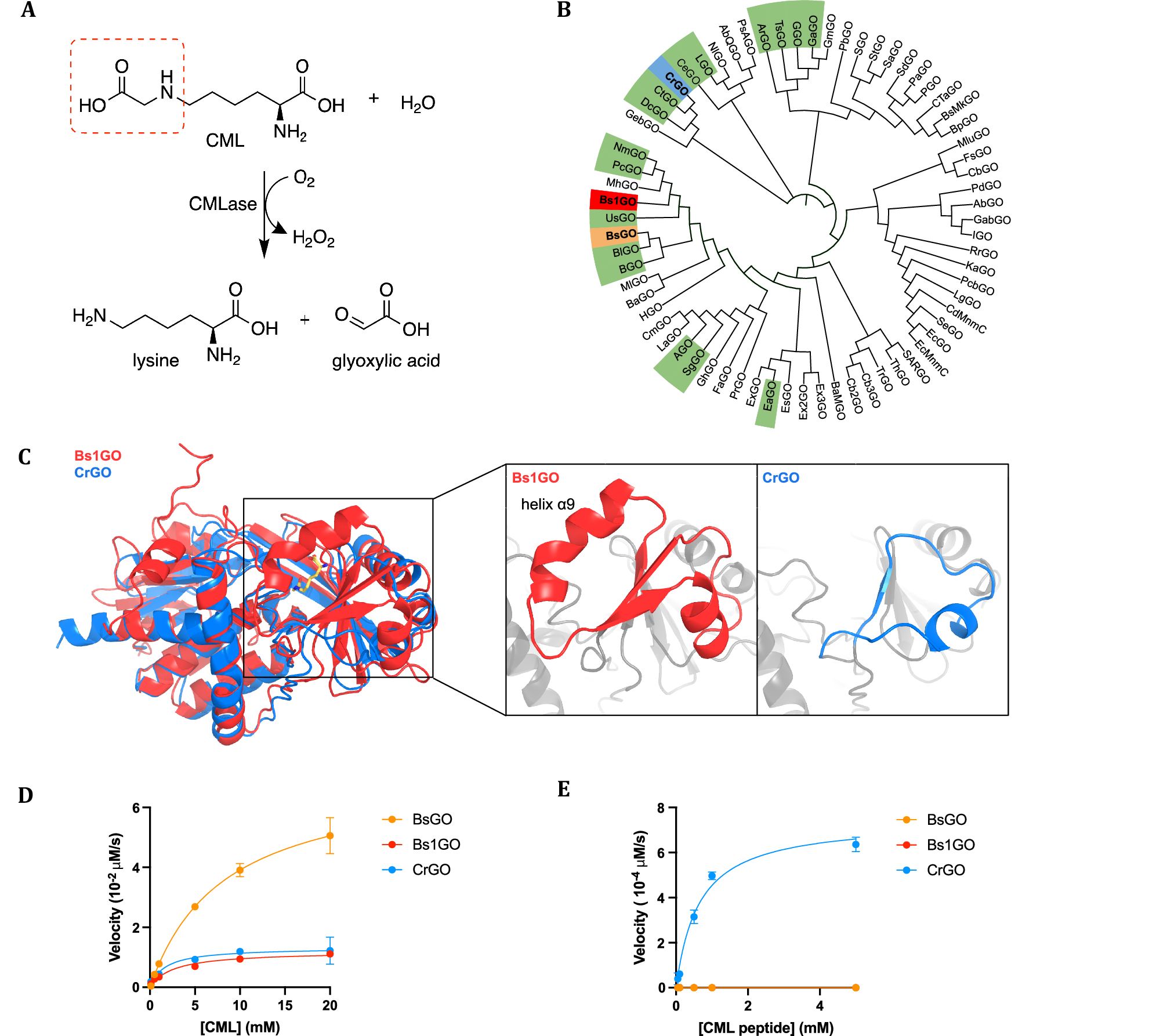
The enzyme created by the Revel team, which is called CMLase, oxidizes the CML modification and hands the protein back its original lysine residue.
“We believe you can remove CML damage enzymatically,” says Revel’s CEO
The enzyme was found after the researchers had screened about 45,000 protein structures and also subjected them to five rounds of directed evolution across more than 500 million variants just to strengthen its oxidase activity, according to the report.
The experiments were done ex vivo, on excised human tissue rather than in a living body. The team compared tissue from young donors, aged 20 to 25, against a 75-year-old donor, then treated it.
CML fell by more than 70% in arterial tissue, more than 55% in skin, and somewhere between 45% and 78% in lens proteins, depending on how it was measured.
In the aorta of the 75-year-old, the treatment pulled CML down to levels the team says look like those of a roughly 30-year-old.
“We believe you can remove [CML damage] enzymatically, by going in and developing these lawnmower enzymes that can just cut and clip these changes off of the proteins,” said Aaron Cravens, Revel’s cofounder and CEO.
Don’t just read crypto news. Understand it. Subscribe to our newsletter. It's free.
FAQs
What did the enzyme actually do to aged human tissue?
CMLase oxidized the CML modification and restored the original lysine on the proteins, reducing CML by more than 70% in arterial tissue, more than 55% in skin, and 45% to 78% in lens proteins, bringing a 75-year-old donor's arterial damage down to levels seen in a roughly 30-year-old.
Who developed the enzyme and where was it published?
Aaron Cravens and colleagues at Revel Pharmaceuticals, working with Calico and the University of Colorado Anschutz Medical Campus, developed the enzyme, and their study appeared in Nature Communications on July 14, 2026.
Does this mean scientists have reversed aging?
No; the authors explicitly stop short of that claim, noting the work was done ex vivo on excised tissue and that questions of tissue penetration, immune response, delivery and whether the repair restores tissue function in a living body still need to be answered.
Disclaimer. The information provided is not trading advice. Cryptopolitan.com holds no liability for any investments made based on the information provided on this page. We strongly recommend independent research and/or consultation with a qualified professional before making any investment decisions.

Ibiam Wayas
Ibiam Wayas has covered the crypto news beat since 2019. He studied Computer Science at National Open University of Nigeria. His work has appeared on various crypto news platforms, including Coinfomania, Crypto News Australia, and AltcoinBuzz. Drawing on his background in Computer Science, he now focuses on crypto, robotics, and longevity news.









