






Russia bans P2P crypto trades as it licenses dozen exchanges including Sberbank

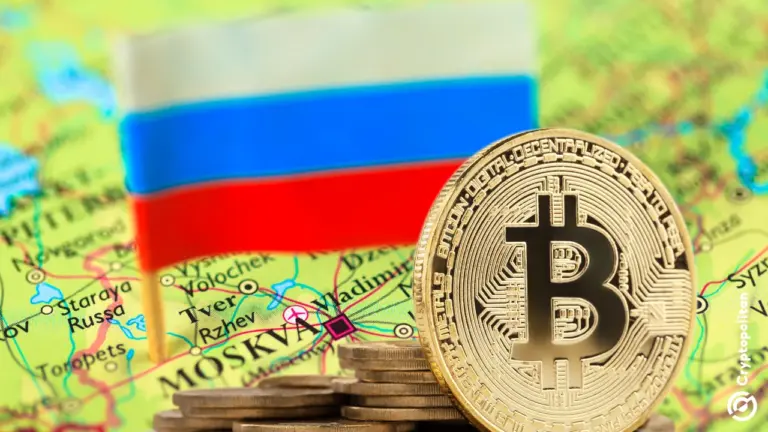
- Russians have been banned from trading crypto on a peer-to-peer basis.
- Transfers between individuals must end by July 2027, the Bank of Russia says.
- Nearly a dozen entities, including Sberbank, have been licensed as cryptocurrency exchanges.
Russia’s central bank has made it clear that the country’s new “digital currency” law prohibits peer-to-peer (P2P) crypto transactions as well as transfers to non-custodial wallets.
The latest statements from the regulator come after it authorized more than 10 organizations to operate as cryptocurrency exchanges, including the state-owned giant Sberbank.
Russians not allowed to make private crypto transfers
Recently adopted regulations do not permit direct cryptocurrency transfers between individuals, the Central Bank of Russia (CBR) has clarified.
Quoted by the TASS news agency on Thursday, the monetary authority referred to the Russian law “On digital currencies and digital rights”, stressing:
“No, transfers of digital currency between individuals are not permitted under Part 5 of Article 31 of Federal Law No. 282-FZ.”
The bank has expressed its categorical stance on the matter in a Q&A section on its website devoted to the launch of the regulated crypto market in Russia.
The question in this case concerns transfers “from one individual to another using identifier addresses, administered by a digital depository, as a result of transactions between them.”
Under the new legislation, cryptocurrency in the Russian Federation can be stored and moved legally exclusively through wallets hosted by special custodians approved by the CBR.
Outside this strictly controlled circuit, it’s still permitted to transfer digital assets, but only until next summer, when the temporary window must close.
The regulator was also asked if it’s “possible to conduct transactions and operations with digital currencies directly between individuals (P2P transactions).”
“Yes, but only until July 1, 2027,” the central bank replied, noting there’s a list of coin operations that can be conducted without a licensed intermediary during the transitional period.
However, the financial authority is positive that “the transfer of digital currency by an individual to a non-custodial wallet is not permitted” under the law which came into effect last month.
After prolonged deliberation, the “digital currency” bill was passed by both houses of Russian parliament in July of this year and signed into law by President Vladimir Putin in early August.
It entered into force on September 1, as reported by Cryptopolitan, legalizing cryptocurrencies and related activities while limiting investment, storage and trading to regulated local infrastructure.
Sberbank among licensed crypto exchanges and custodians
Thus, Russian citizens and businesses will be left in the future with state-approved and overseen options to buy, keep and sell cryptocurrencies – only Bitcoin and Ethereum and Tether’s USDT for retail investors at this stage.
Key participants in the market are now preparing to launch regulated crypto trading by the end of the year, the official Rossiyskaya Gazeta newspaper highlighted in an article on Monday.
These include the Moscow Exchange (MOEX) and Saint Petersburg’s SPB Exchange as well as major banking institutions like the government-controlled VTB and the commercial T-Bank, the daily wrote.
Last week, Bank of Russia registered the country’s first licensed crypto exchanges and custodians. Since then, 11 entities have been authorized to carry out crypto trading operations, RBC reported Wednesday.
Among them is Sberbank, Russia’s largest lender by assets. The majority-state owned behemoth was first approved as a digital depository and then added to the list of crypto exchange service providers.
Besides the financial institutions under Moscow’s direct orders, a number of private Russian companies have been approved as well, according to Russian media reports citing the CBR’s records.
The tokenization platform Atomyze, the blockchain developer Voltari, and an entity called “Cloud Infrastructure” will act as custodians. Zefir, Moy Bitcoin, and Paradise Technology will operate as exchanges.
Russia has been accused of using cryptocurrencies to circumvent international restrictions in the fiat realm, imposed over its invasion of Ukraine. Sberbank, VTB, and Atomyze have already been subjected to Western sanctions for their roles in these evasion attempts.
Don’t just read crypto news. Understand it. Subscribe to our newsletter. It's free.
Disclaimer. The information provided is not trading advice. Cryptopolitan.com holds no liability for any investments made based on the information provided on this page. We strongly recommend independent research and/or consultation with a qualified professional before making any investment decisions.










