






Использование стейблкоинов стремительно растет, но, по мнению JPMorgan, размер — это еще не все

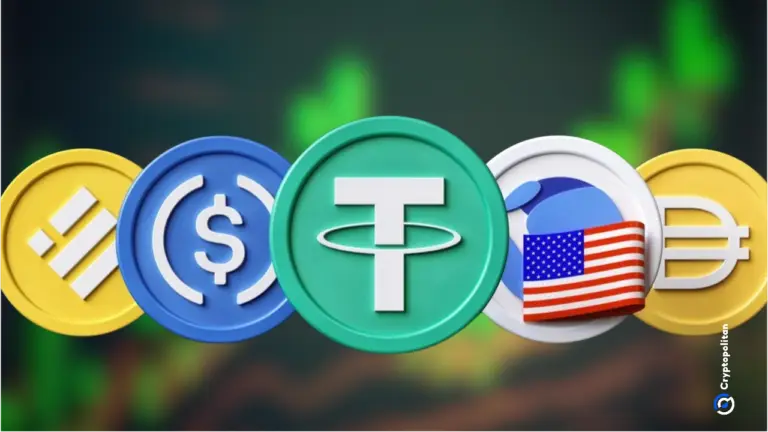
- Ежегодно через стейблкоины проходят огромные суммы денег, и рынок постоянно развивается.
- Ключевая идея JPMorgan заключается в различиях между отдельными токенами и всем рынком стейблкоинов.
- JPMorgan по-прежнему скептически относится к статистике использования, поскольку объемы транзакций не соответствуют рыночной капитализации.
В мире стейблкоинов оборот денег превышает все предыдущие показатели. Однако, по мнению аналитиков JPMorgan Chase, более важным фактором является не только рост, но и эффективность движения этих денег.
Быстрые деньги, но не обязательно больший рынок
Активность стейблкоинов быстро растет, поскольку все больше платежей переходят к системам расчетов в режиме реального времени.
Исследование JPMorgan Payments, посвященное платежам в режиме реального времени, показывает, как меняются ожидания пользователей по мере модернизации финансовой инфраструктуры:
В том же исследовании JPMorgan подчеркивается, как быстро мгновенные расчеты становятся стандартом, а не просто опцией:
Что это на самом деле означает:
люди больше не хотят ждать денег — и всё чаще им это не нужно. Поскольку платежи становятся мгновенными, стейблкоины используются повторно чаще. Этот более высокий оборот — то, что аналитики называют скоростью— означает, что система может обрабатывать больший объём транзакций без необходимости значительного увеличения предложения.
Данные показывают: использование стейблкоинов стремительно растёт
Общий объем рынка стейблкоинов сейчас превышает 300 миллиардов долларов. Это впечатляет, но еще более поразительно то, насколько широко используются эти активы.
Согласно отчету «Состояние криптовалют в 2025 году»:
В отчете также отмечается:
Почему это выделяется:
Даже если точные цифры различаются, тенденция очевидна —использование растет гораздо быстрее, чем размер рынка. Именно на этот разрыв указывает JPMorgan.
Простой способ увидеть изменения
Вот более наглядный способ понять, что происходит:
| Метрическая система | 2022 | 2024 | 2026 (ориентировочно) | Тренд |
|---|---|---|---|---|
| Рыночная капитализация стейблкоинов | ~150 млрд долларов | ~250 млрд долларов | 300 млрд долларов США+ | Устойчивый рост |
| Годовой объем транзакций | ~6 триллионов долларов | ~20 триллионов долларов | $17T–$46T | Быстрый рост |
| Предполагаемая скорость обращения акций (Объем ÷ Рыночная капитализация) | ~40x | ~80x | 60x–150x | Быстро растёт |
Главный вывод:
стейблкоины не просто растут — они работают эффективнее. Каждый доллар используется чаще, поэтому объем транзакций отдаляет их от рыночной капитализации.
Регулирование способствует внедрению этого направления в широкую практику
Правила также начинают соответствовать потребностям усыновления.
Закон GENIUS — одна из первых крупных попыток создать четкую правовую основу для стейблкоинов в США.
Закон требует, чтобы стейблкоины были обеспечены в соотношении один к одному высококачественными резервами, такими как доллары США или казначейские облигации.
Почему это важно:
Когда правила становятся яснее, больше предприятий и учреждений готовы участвовать. Это не только увеличивает предложение, но и повышает частоту использования стейблкоинов, что, в свою очередь, способствует увеличению скорости обращения.
Кто сегодня доминирует на рынке?
Несмотря на весь этот рост, рынок по-прежнему сосредоточен в руках нескольких крупных игроков:
| Эмитент | Флагманский стейблкоин | Оценочная доля рынка | Роль в скорости |
|---|---|---|---|
| Привязь | USDT | ~65–70% | Высокая торговая активность, быстрый оборот |
| Круг | USDC | ~20–25% | Платежи и институциональное использование |
| Другие | Различный | ~5–10% | Меньше по размеру, но растет |
Это говорит нам о следующем:
не все стейблкоины ведут себя одинаково. Некоторые активно используются в торговле (высокая скорость обращения), в то время как другие набирают tracв платежных системах и реальных финансовых операциях. Это сочетание будет определять развитие рынка.
Так что же на самом деле меняется?
Если посмотреть на ситуацию со стороны, вырисовывается четкая закономерность:
- Стабильные криптовалюты используются всё чаще.
- Транзакции происходят быстрее.
- Система становится все более эффективной.
Это указывает на более масштабные изменения:
Стейблкоины — это уже не просто цифровые cash. Они становятся неотъемлемой частью финансовой инфраструктуры.
Не просто читайте новости о криптовалютах. Разберитесь в них. Подпишитесь на нашу рассылку. Это бесплатно.
Предупреждение. Предоставленная информация не является торговой рекомендацией. Cryptopolitanнастоятельно не несет ответственности за любые инвестиции, сделанные на основе информации, представленной на этой странице. Мыtronпровести независимоеdent и/или проконсультироваться с квалифицированным специалистом, прежде чем принимать какие-либо инвестиционные решения.

Опейеми Оланреваджу
Опейеми специализируется на создании и совершенствовании высококачественного контента, посвященного криптовалютам, мировым финансовым рынкам и экономике. Он окончил Университет Ибадана со степенью MBBS. Работал главным редактором в редакционном издании своего колледжа, а ранее — в CFA. Более шести лет он помогал обеспечивать уникальность контента в качестве редактора новостей в Cryptopolitan.









