



Meta’s quiet crypto comeback: USDC payouts roll out to creators in Colombia and the Philippines

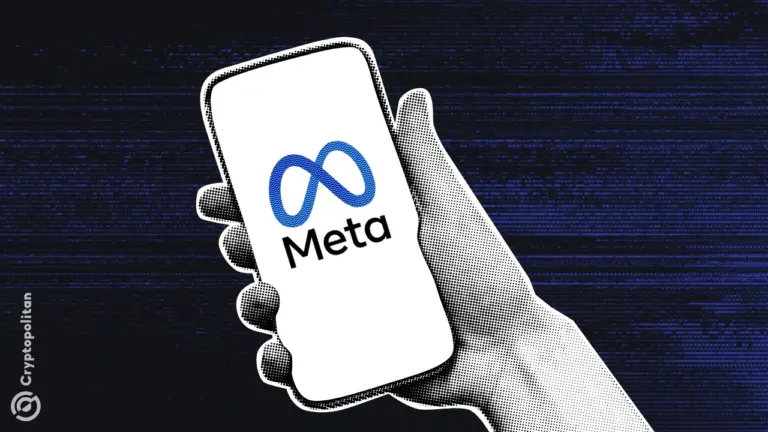
- Meta has begun paying creators in Colombia and the Philippines using USDC.
- The company currently supports payouts in Solana and Polygon.
- The USDC payments are made in partnership with Stripe.
Meta is returning to crypto, but this time without the fanfare.
The company has begun paying a small group of Facebook creators in Colombia and the Philippines using USD Coin (USDC), a stablecoin pegged to the U.S. dollar.
It’s a sharp shift from its failed Libra (later Diem) project. Instead of launching its own currency, Meta is now using existing blockchain infrastructure to move money faster and more cheaply.
Creators in the pilot receive payouts through Solana and Polygon. The goal is simple: cut delays and reduce fees tied to cross-border payments.
A Meta spokesperson said the company is exploring stablecoins as part of its broader payment options.
How creators actually get paid
The process is simple in theory, but still requires a few extra steps.
Step-by-step payout process:
- Link wallet – Connect a crypto wallet like MetaMask or Phantom
- Earn – Income comes from Facebook tools, such as ads or subscriptions
- Receive USDC – Payments arrive in USDC via Solana or Polygon
- Transfer to exchange – Move funds to a crypto exchange
- Withdraw – Convert to local currency and send to a bank account
Meta does not convert USDC into cash. That final step is up to the creator, along with any fees involved.
The company is working with Stripe to support tax reporting for these payouts.
Meta’s earlier crypto push aimed to reshape global finance. It didn’t work.
Now, the company is taking a more grounded approach by using an existing stablecoin instead of building a new one. That reduces regulatory pressure and keeps the focus on improving payments rather than reinventing money.
Why Colombia and the Philippines
The rollout is focused on markets where getting paid can be slow and expensive.
In the Philippines, many creators depend on cross-border income. Traditional payouts can take days and come with high fees. Stablecoins can cut both time and cost, especially for smaller payments.
Colombia faces similar issues, with uneven access to banking services outside major cities. Mobile-based crypto wallets may offer a more accessible alternative.
Still, converting crypto into cash remains a hurdle. Users must rely on exchanges, which adds cost and complexity.
Some crypto leaders see this as a turning point, not because of scale yet, but because of intent.
Meta is not alone. Companies like Shopify now allow merchants to accept USDC. Others, including Western Union and DoorDash, are exploring stablecoin-based payments for global transfers and gig workers.
Polygon Labs CEO Marc Boiron said Meta’s program could expand to more than 160 countries by the end of 2026, suggesting this could move beyond a small pilot.
What it means
For creators, the promise is clear: faster payments and potentially lower fees.
But the experience is not seamless yet. Managing wallets, handling transfers, and converting crypto into cash still require effort.
For Meta, this is a quieter return to crypto. No bold promises. No new currency.
Just a calculated bet that faster, borderless payments might be enough to win people over this time.
If you're reading this, you’re already ahead. Stay there with our newsletter.
Disclaimer. The information provided is not trading advice. Cryptopolitan.com holds no liability for any investments made based on the information provided on this page. We strongly recommend independent research and/or consultation with a qualified professional before making any investment decisions.

Ibiam Wayas
Ibiam Wayas has covered the crypto news beat since 2019. He studied Computer Science at National Open University of Nigeria. His work has appeared on various crypto news platforms, including Coinfomania, Crypto News Australia, and AltcoinBuzz. Drawing on his background in Computer Science, he now focuses on crypto, robotics, and longevity news.









