




Iran sends response to U.S. ceasefire proposal as oil and crypto markets watch closely

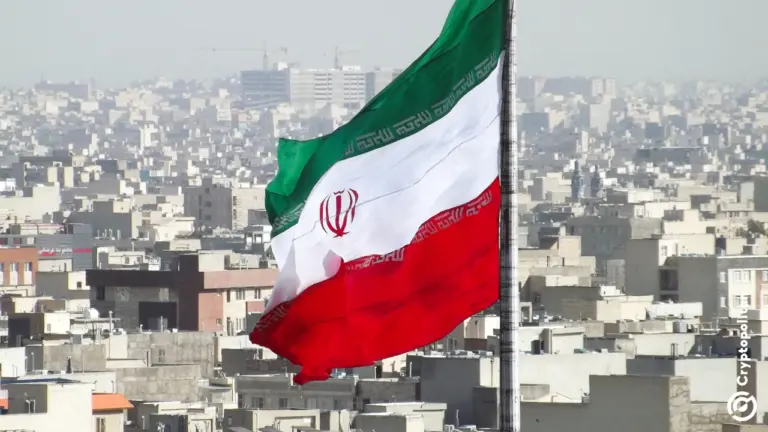
- Iran submitted its response to a US peace proposal through Pakistani mediators on Sunday.
- But the month-old ceasefire showed fresh cracks with drone strikes reported across the Gulf.
- The outcome matters for crypto because a lasting deal could unlock Fed rate cuts by year-end.
Iran has delivered its response to a U.S. ceasefire proposal through Pakistani mediators. This development adds a new layer of uncertainty for global markets.
The proposal was designed to reopen the Strait of Hormuz and restart discussions on Iran’s nuclear program, reports The Guardian.
After the response was passed to Pakistan, it was forwarded to Washington. Tehran did not reveal the contents of its reply.
Investors are on the lookout for interest rates
The tensions between Iran, Israel, and U.S.-aligned forces have affected energy markets since February. Oil traders, in turn, have been watching supply risks, inflation pressures, and related interest rates.
Higher oil prices trigger inflation concerns, delaying Federal Reserve rate cuts. Lower rates generally support risk assets by improving liquidity. Investors are more drawn to higher-growth trades such as technology stocks and cryptocurrencies.
Andrew Slimmon, head of Applied Equity Advisors at Morgan Stanley Investment Management, said markets warn that monetary policy could shift quickly if the conflict cools.
“If that’s in the next couple weeks, then it could be by the end of this year,” Slimmon told Business Insider, referring to potential Fed rate cuts.
Futures markets may expect the Federal Reserve to have elevated rates with stronger-than-expected U.S. economic data.
Bitcoin has increasingly traded like a macro-sensitive risk asset. So, this developing scenario could affect BTC and crypto prices.
During the 2023 U.S. regional banking crisis, Bitcoin climbed more than 35% in a month as traders anticipated easier financial conditions. In contrast, Bitcoin lost more than 60% during 2022 as inflation and aggressive rate hikes hit speculative markets worldwide.
Research from crypto analytics firms such as Kaiko has also shown Bitcoin maintaining a relatively strong correlation with the Nasdaq during major macro-driven market swings.
Tensions remain high across the Gulf
Despite the diplomatic developments, signs of instability continue to emerge across the region.
The UAE and Kuwait both reported intercepting drones that entered their airspace, according to The Guardian coverage of Gulf incidents.
Elsewhere, a drone strike caused a fire aboard a ship near Qatar’s coast, while another attack targeted a camp used by an Iranian Kurdish rebel group near Erbil in northern Iraq.
The incidents followed the collapse of President Donald Trump’s “Project Freedom” convoy operation on May 4, an effort aimed at escorting commercial vessels through the Gulf after weeks of disruption near Hormuz.
According to The Guardian, the operation was abandoned after attacks targeted U.S. naval assets and oil infrastructure in the UAE.
Iranian military officials have also warned that countries enforcing sanctions could face consequences when their vessels move through the Strait of Hormuz.
Nuclear tensions still unresolved
Benjamin Netanyahu has continued to argue that the conflict cannot fully end while Iran retains its stockpile of highly enriched uranium.
The International Atomic Energy Agency estimates Iran possesses roughly 440 kilograms of uranium enriched to 60% purity, according to The Guardian.
President Donald Trump struck a more measured tone during an interview on Full Measure.
“We have it surveilled,” Trump said. “If anybody got near the place, we will know about it, and we’ll blow them up.”
The difference in approach between Trump and Netanyahu affects future negotiations, especially as Iran continues to upgrade its nuclear infrastructure.
Why crypto traders are paying attention
The core issue with crypto markets is liquidity. As oil prices stabilize, there is less inflation pressure. This could revive future Fed rate cuts and improve conditions for risk assets.
On-chain data has shown traders drawn into stablecoins during uncertainty. They move back into Bitcoin and other volatile assets after conditions stabilize.
Trump will visit China as Beijing continues to push for de-escalation and the reopening of the Strait of Hormuz.
Whether Iran’s response moves negotiations forward or deepens the standoff will likely shape sentiment across oil, equities, and crypto markets heading into the summer.
The smartest crypto minds already read our newsletter. Want in? Join them.
FAQs
What did Iran respond to?
Iran replied to a 14-point US memorandum delivered last week that would reopen the Strait of Hormuz and establish a framework for further negotiations on Iran's nuclear program, according to The Guardian.
How would the end of the Iran war affect interest rates?
Morgan Stanley's Andrew Slimmon told Business Insider he expects the Fed to cut rates roughly six months after the war concludes, meaning cuts could arrive by late 2026 if a deal is reached in the coming weeks.
Is the ceasefire between the US and Iran still active?
The ceasefire declared on April 8 remains nominally in effect, but it has been strained by drone incursions over the UAE and Kuwait, an attack on a ship off Qatar, and the failed US attempt to escort vessels through the Strait of Hormuz in early May.
Disclaimer. The information provided is not trading advice. Cryptopolitan.com holds no liability for any investments made based on the information provided on this page. We strongly recommend independent research and/or consultation with a qualified professional before making any investment decisions.

Ibiam Wayas
Ibiam Wayas has covered the crypto news beat since 2019. He studied Computer Science at National Open University of Nigeria. His work has appeared on various crypto news platforms, including Coinfomania, Crypto News Australia, and AltcoinBuzz. Drawing on his background in Computer Science, he now focuses on crypto, robotics, and longevity news.









