








- Apple, Home Depot and GE Vernova became the latest to object to OKXICE’s plan to list tokenized versions on its venue.
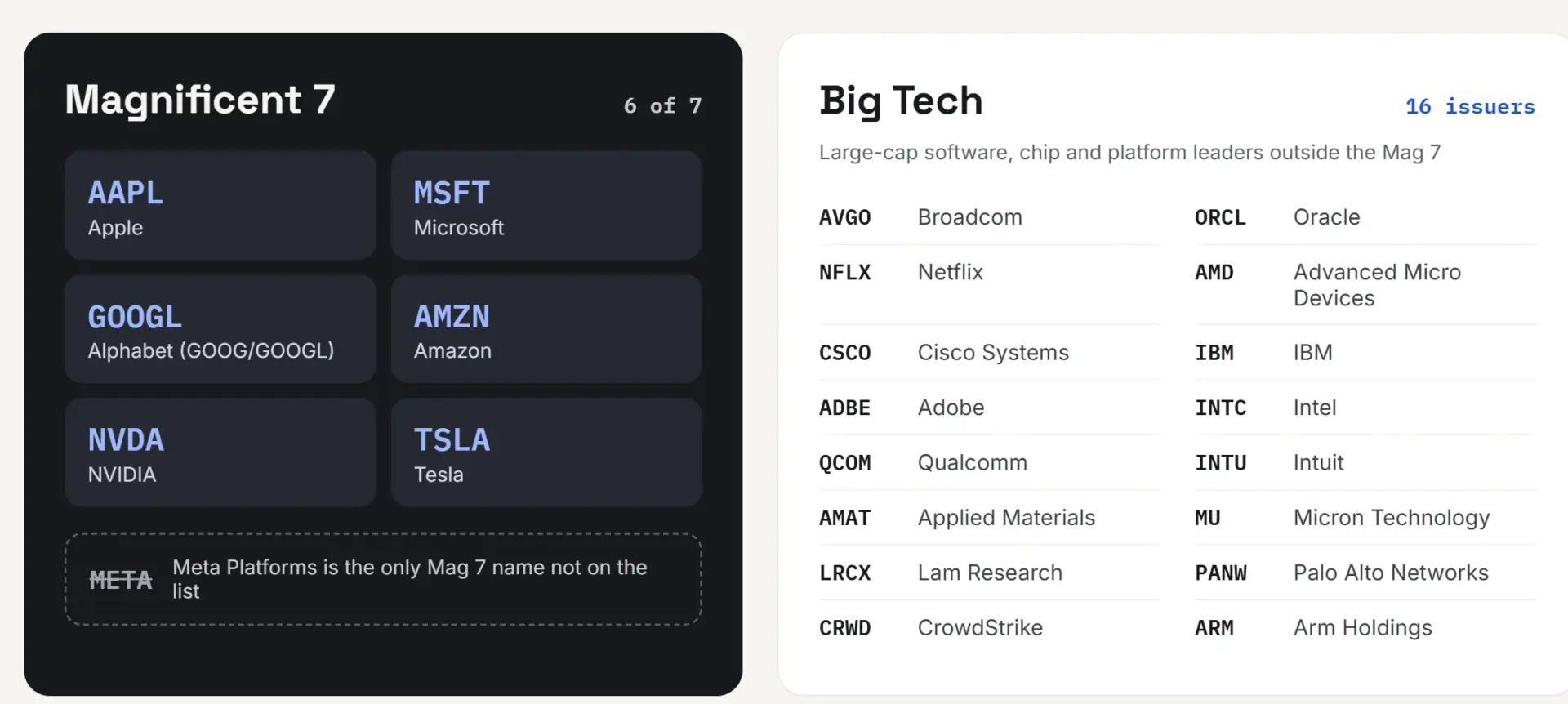
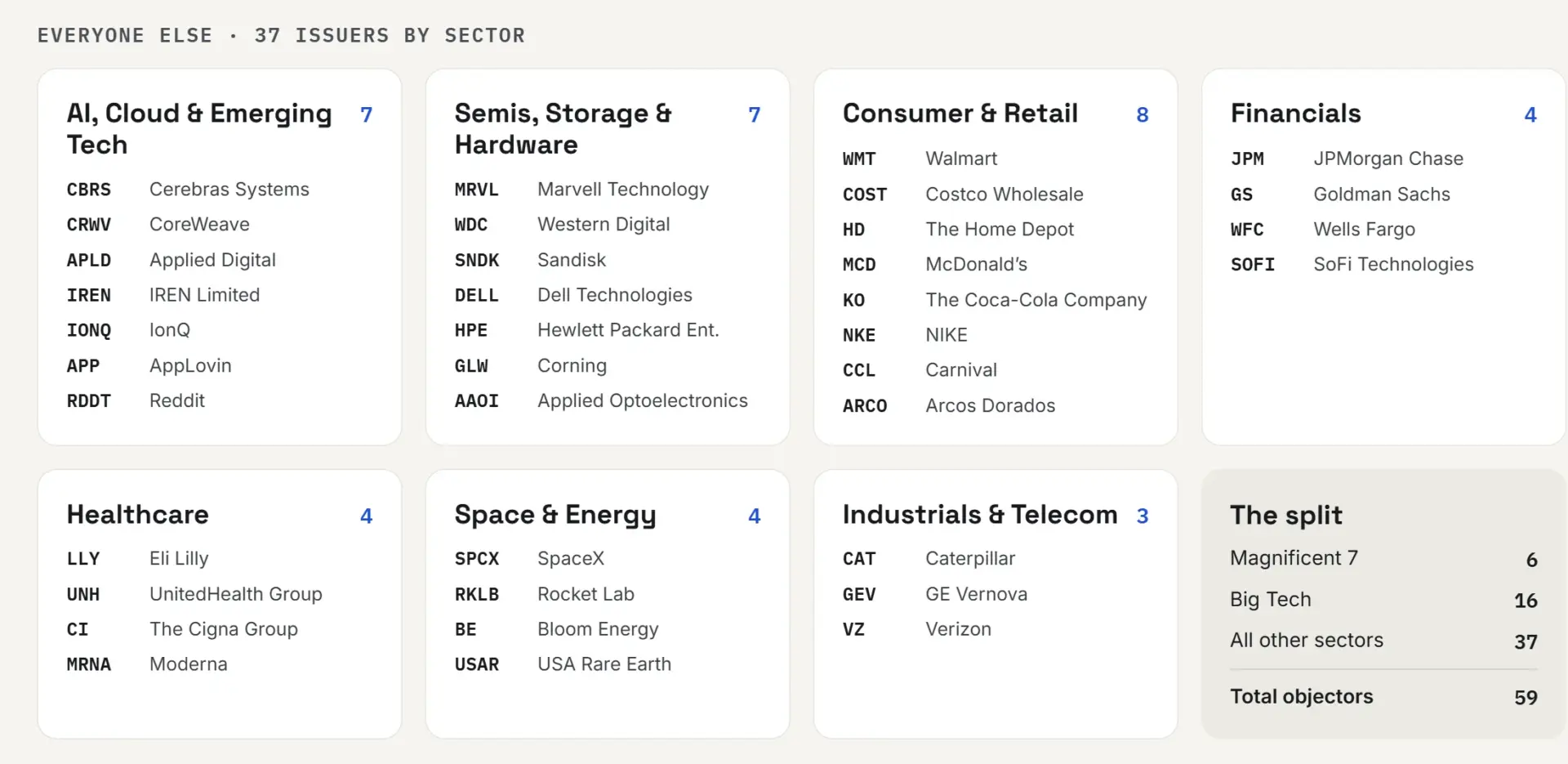
- All the big-name companies that OKXICE said it expects to list have objected as the opt-out list climbed to 59.
- The direction of travel favors issuer-sponsored tokenization on regulated venues over third-party token wrappers.
OKXICE’s plan to list tokenized versions of the shares of US-listed companies was rocked by its latest opt-outs, with Home Depot and GE Vernova joining Apple in asking not to be included on the platform.
Apple’s objection makes it the latest Big Tech company to cross itself off the list of companies that OKXICE told Wall Street Journal it would list.
As of this report, Alphabet, Amazon, Apple, JPMorgan, Microsoft, Nvidia, Tesla and Walmart have all objected, pushing the opt-outs to 59, as confirmed in OKXICE’s November 3 public notice.
Why is OKXICE trying to list tokenized shares?
OKXICE is a tokenization platform named after the two firms involved in the 50-50 joint venture between the OKX crypto exchange and the parent company of the New York Stock Exchange (NYSE), Intercontinental Exchange (ICE).
The platform’s selling point is that it is a regulated platform that offers tokenized versions of more than 60 US-listed stocks.
OKXICE told WSJ that its plan to list tokenized shares of the biggest US-listed companies, including the Magnificent Seven, was still on track. That comment came after the first round of objections landed around October 17.
The objectors then were AppLovin, Applied Digital, Applied Optoelectronics, Broadcom, Cerebras Systems, CoreWeave, Rocket Lab, Verizon, and UnitedHealth Group.
The list of opt-outs grew to 22 by October 23, with Microsoft and Alphabet headlining a batch that included Arm Holdings, Intuit and Wells Fargo.
IBM, Intel, Oracle and IonQ joined just days later, pushing objections to 26, as Cryptopolitan reported at the time.
Cisco Systems, Goldman Sachs and Qualcomm have also said no to the OKXICE venue.
Why are companies saying no to OKXICE?
The entire OKXICE pitch is based on a five-year innovation exemption that the SEC issued in September 2026, running through September 2031.
Per the order, a tokenized securities venue can trade tokenized versions of listed stocks without registering to become an exchange. When tokenization is initiated by one of such venues, rather than by the company itself, the venue must send a written notice to the issuer at least 30 calendar days before the tokenized shares become tradable.
Companies get 30 calendar days upon receiving the notice to either file a written objection or give consent. Silence counts as consent under the SEC’s system, so firms that approve do not even have to take any action. However, companies that do not approve of the venue listing tokenized versions of their shares must file their objection within the 30-day window.
Notably, an objection to one venue does not carry over to another. Companies must respond to each notice they receive separately.
And none of this bars a company from issuing its own blockchain-based securities.
The SEC’s notice system has drawn criticism from market groups, including the Securities Industry and Financial Markets Association (SIFMA). In an October 19 letter, SIFMA president and CEO Kenneth E. Bentsen, Jr. urged the SEC that “Getting the foundations right from day one is essential.”
The Hunton Andrews Kurth law firm warned of deficiencies in the notice delivery system in an October 8 comment letter to the SEC. The law firm noted that unsolicited crypto emails may end up in the spam folder and letters could also get buried under piles in corporate mailrooms.
The firm asked the Commission to require affirmative consent and to build a public database of companies that want out instead of just assuming consent when a company does not respond to a notice it probably never saw.
The Common Sense Leadership Fund took the pressure public, paying for a full-page ad in the Journal’s October 24-25 weekend edition to tell CEOs to use the 30-day veto, citing price gaps between venues, hidden token holders and liability “for anything that goes wrong.”
Nasdaq, which plans to keep its own shares off venues using the exemption, declined to comment on claims its representatives urged listed companies to avoid OKXICE.
Where tokenization goes next
The pattern points away from third-party wrappers and toward issuer-sponsored tokenization run under US rules. Securitize, which launched tokenized US stocks on October 8 and whose shares are expected to trade on OKXICE, is leaning into that reading.
CEO Carlos Domingo called the Common Sense ad “misleading” in an October 26 post on X, Cryptopolitan reported, blaming “offshore synthetics” and describing the backlash as a tailwind for firms doing regulated tokenization.
Securitize president Brett Redfearn told the Journal a company can object to one venue without rejecting tokenization outright.
OKXICE co-chair Andrew Cuomo, the former New York governor, has said he expects issuers to be skeptical and framed the venue as a first step. The tokenized stock market was worth about $3.5 billion as of October 15, per The Block’s data, up from roughly $680 million at the start of the year.
The smartest crypto minds already read our newsletter. Want in? Join them.
FAQs
How many companies have objected to OKXICE tokenizing their stock?
Twenty-six issuers had objected as of October 27, 2026, according to journalist Eleanor Terrett, after IBM, Oracle, Intel and IonQ joined a list that stood at 22 around October 23.
Does objecting stop all tokenization of a company's shares?
No. An objection only blocks the venue that sent the notice from offering a third-party token of that stock, and it does not prevent the company from issuing its own blockchain-based securities.
What rule lets OKXICE tokenize listed stocks?
The SEC's innovation exemption, a five-year order issued September 17, 2026 and running through September 17, 2031, lets tokenized securities venues trade token versions of NYSE and Nasdaq stocks without registering as exchanges.
Disclaimer. The information provided is not trading advice. Cryptopolitan.com holds no liability for any investments made based on the information provided on this page. We strongly recommend independent research and/or consultation with a qualified professional before making any investment decisions.

Hannah Collymore
Hannah is a writer and editor with nearly a decade of blog writing and event reporting experience in the crypto space. At Cryptopolitan, Hannah contributes to the news page, reporting and analyzing the latest developments in DeFi, RWA, crypto regulation, AI and frontier tech industries. She graduated from Arcadia university with a degree in Business Administration.









