






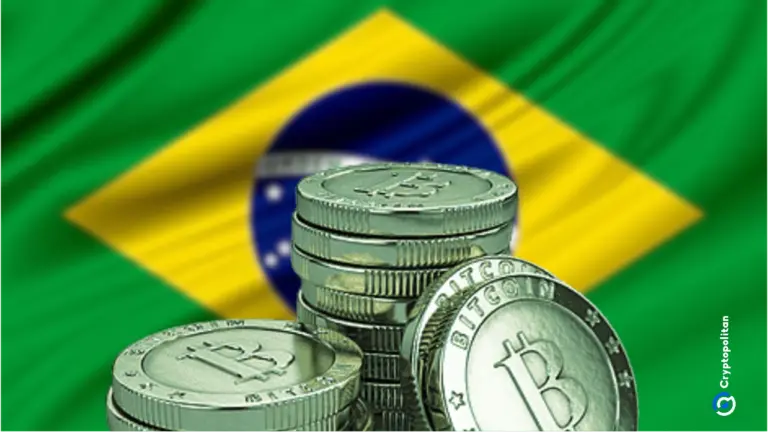
- Brazil is tightening crypto regulation, requiring independent audits for exchanges and crypto service providers seeking licenses or renewals.
- Auditors will review AML, anti-terror financing, custody, risk management, and compliance controls, with failures potentially blocking authorization.
- The new rule adds to Brazil’s growing crypto framework, which already includes licensing, stablecoin oversight, Travel Rule compliance, and custody requirements.
Brazil’s central bank reportedly introduced mandatory independent audits for crypto service providers. It will add another layer to the already tough rules in the country.
According to the published rules, crypto firms that want a license or to renew an existing one will have to submit an independent auditor’s report. It will be a part of the approval process. It added that the audits must be carried out by professionals registered with Brazil’s securities regulator, the Comissão de Valores Mobiliários (CVM).
Audit costs may squeeze smaller Crypto firms
Regulators want auditors to assess whether crypto firms are doing the right checks. This includes proper anti-money laundering controls, counter-terrorism financing procedures, customer asset segregation, internal risk management systems, and employee compliance programs in place.
If a firm fails in any of those checks, then it may struggle to obtain authorization to operate in the country.
This comes in when the global crypto market is dealing with high selling pressure. Bitcoin price has dropped by more than 10% over the last 7 days. BTC is trading at $68,960 at press time.
Brazil pushed the process back in 2022. Lawmakers approved the country’s first legal framework for virtual assets in that year. However, after one year, the federal government officially appointed the central bank as the primary regulator for crypto service providers.
Watchdogs added some licensing requirements in 2025. This covered custody standards and anti-money laundering controls. It also added Stablecoin oversight and corporate governance obligations. The authority allowed the existing providers until October 2026 to comply.
The central bank has not disclosed expected audit costs. Compliance experts suggest that independent reviews can easily run into tens or even hundreds of thousands of dollars. It depends on the size of the firm, transaction volumes, and custody arrangements.
Big exchanges can manage this cost, but it’ll be difficult for smaller platforms and startups. Earlier, Cryptopolitan reported that Brazil banned prediction markets.
Brazil raises the bar for Crypto exchanges
In a report, Chainalysis mentioned that Brazil processed around $318 billion worth of crypto transactions in 2024 and 2025. This makes the country one of the crucial crypto markets in the world.
The size of that market means most major exchanges will want to maintain a presence there. The question is whether all of them will be able to satisfy the growing list of regulatory requirements.
What makes Brazil stand out is that regulators are not focusing on just one area.
The framework combines licensing requirements, custody rules, Travel Rule compliance, stablecoin oversight, self-hosted wallet monitoring, and now mandatory independent audits.
For global exchanges, market access is increasingly becoming a compliance exercise rather than a simple registration process.
In other words, Brazil is no longer asking crypto firms to promise they are following the rules. It now wants third parties to prove it.
Don’t just read crypto news. Understand it. Subscribe to our newsletter. It's free.
FAQs
What do Brazil's new crypto audit rules require?
All cryptocurrency service providers applying for or renewing licenses in Brazil must submit an independent audit report covering anti-money-laundering controls, client fund segregation, risk management, and staff training. The auditing firm must be registered with Brazil's securities regulator, the CVM.
When did Brazil's crypto audit mandate take effect?
The requirement took effect on June 1, 2026, following a normative instruction published by the Banco Central do Brasil on May 29, 2026.
How much crypto activity flows through Brazil?
Chainalysis data cited by Fireblocks estimated Brazil received approximately $318.8 billion in crypto value between mid-2024 and mid-2025, accounting for close to one-third of all cryptocurrency flows in Latin America.
Disclaimer. The information provided is not trading advice. Cryptopolitan.com holds no liability for any investments made based on the information provided on this page. We strongly recommend independent research and/or consultation with a qualified professional before making any investment decisions.

Ashish Kumar
Ashish Kumar is a crypto and financial journalist with eight years of newsroom experience. He covers what’s happening with crypto markets, regulation, DeFi, and exchange ecosystems. He has worked with Coingape, Todayq, and Newsroompost. Ashish holds a PGDP in English Journalism from the IIMC. He has also interviewed industry figures including Arthur Hayes, Yat Siu, Austin Federa, and more.









