



China’s NDRC proposes information sharing, emergency cooperation in AI action plan

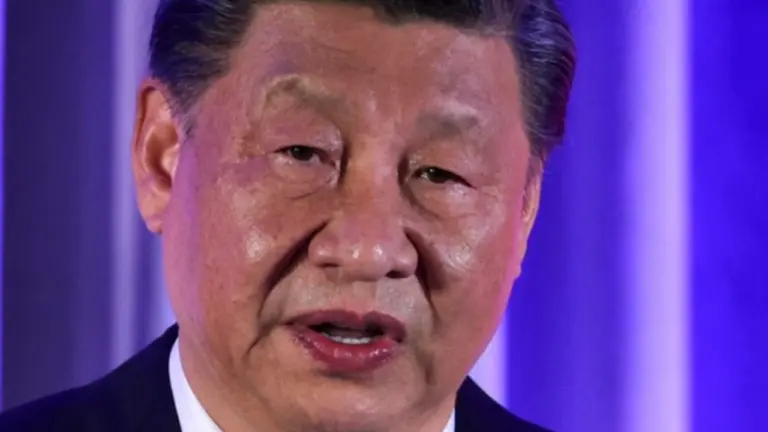
Photo by Trong Khiem Nguyen on Flickr.
- China’s NDRC released an eight-point AI cooperation plan proposing shared work on data, computing power, open-source models, safety and ethics.
- On the same day the plan was published, Xi Jinping gave a keynote speech at WAIC, urging for teamwork among nations.
- It also coincided with the launch of WAICO and signals Beijing’s bid to shape global AI rules.
China’s top economic planning body has released an eight-point plan designed to increase international cooperation on artificial intelligence.
The plan was published the same day President Xi Jinping gave a keynote speech, pushing for a China-led way of governing AI at a Shanghai summit
What does the NRDC’s plan ask for?
The National Development and Reform Commission (NDRC) has published an eight-point plan called the “AI Cooperation Development Action Plan” on its website. The eight points highlight areas where Beijing wants other governments to work with it, such as data, computing power, open-source models, industrial applications, talent, technical standards, safety governance and AI ethics.
On safety, the plan calls for countries to build a shared system for governing AI. It also asks for cooperation on sharing information about cybersecurity threats and responding to emergencies, to prevent AI misuse or abuse. The plan also calls for joint research to make AI models easier to understand, more open, and more secure.
The NDRC wants to make it easier to move data across borders using “trusted data spaces” in some industries. It also wants countries to build shared training data in multiple languages.
The plan calls for cheaper, more open computing services for developing countries, powered by clean energy and supports open-source communities that share general AI models, tools, and code with everyone. It also pushes for “AI+” programs that use AI in science, factories, healthcare, schools, farming, and government.
Two other parts of the plan focus on people and rules. One calls for joint programs to train AI workers and set common skills standards while the other calls for a shared standards system so that different countries’ AI rules can work together instead of clashing.
The last part of the plan, called “AI for good,” promises to follow ethics rules on privacy and human control over AI. It also promises to fight bias in AI systems and frames China as a country that gives free science and technology help to developing nations, in support of the United Nations’ 2030 development goals.
What did President Xi Jinping suggest in his speech?
On the same day the NRDC’s plan was published, the 2026 World AI Conference (WAIC) opened in Shanghai. The conference will run from July 17 to July 20 and is expected to be one of the largest AI events in the world.
Cryptopolitan reported that the event would fill more than 100,000 square meters of exhibition space, draw over 1,100 companies and stage more than 300 product debuts.
During his opening speech, President Xi Jinping offered “four observations” and urged for open-source teamwork, laws and emergency systems to keep AI “under human control,” respect for different cultures and countries, and a bigger role for the United Nations in AI rules.
Xi said China helped create the World AI Cooperation Organization (WAICO) in Shanghai and said it would help unite countries around AI development and rules. He also said that China’s core AI-driven economy is worth at least 1 trillion yuan ($147 billion), based on past NDRC figures.
In a May 2026 essay for the Carnegie Endowment for International Peace, researcher Arindrajit Basu wrote that instead of just exporting infrastructure and tech standards, Beijing is now trying to influence the rules and institutions that govern AI around the world.
Basu pointed out that Premier Li Qiang first announced China’s Global AI Governance Action Plan and the idea for WAICO back in July 2025.
Meanwhile, China recently completed the first phase of its “Qinglang” cleanup that began in April 2026. Cryptopolitan reported that the Cyberspace Administration of China removed more than 14,000 AI products, suspended over 26,000 accounts and pulled nine open-source datasets it deemed illegal. The scheme’s second phase promises heavier penalties.
The smartest crypto minds already read our newsletter. Want in? Join them.
FAQs
What did China's NDRC actually propose?
The National Development and Reform Commission released an "AI Cooperation Development Action Plan" listing eight areas for international cooperation, including cross-border data flows, inclusive computing for developing countries, shared open-source models, joint safety governance with cybersecurity threat-information sharing, common technical standards, and AI ethics commitments.
When and where was the plan announced?
The NDRC published the plan on its website on July 17, 2026, the same day the 2026 World Artificial Intelligence Conference opened in Shanghai and President Xi Jinping delivered a keynote on global AI governance.
How does this fit China's broader AI strategy?
Carnegie Endowment researcher Arindrajit Basu wrote in May 2026 that Beijing is pivoting from exporting AI infrastructure toward reshaping global rules and institutions, building on the July 2025 Global AI Governance Action Plan and the proposed World Artificial Intelligence Cooperation Organization, while seeking Global South support.
Disclaimer. The information provided is not trading advice. Cryptopolitan.com holds no liability for any investments made based on the information provided on this page. We strongly recommend independent research and/or consultation with a qualified professional before making any investment decisions.

Hannah Collymore
Hannah is a writer and editor with nearly a decade of blog writing and event reporting experience in the crypto space. At Cryptopolitan, Hannah contributes to the news page, reporting and analyzing the latest developments in DeFi, RWA, crypto regulation, AI and frontier tech industries. She graduated from Arcadia university with a degree in Business Administration.









