






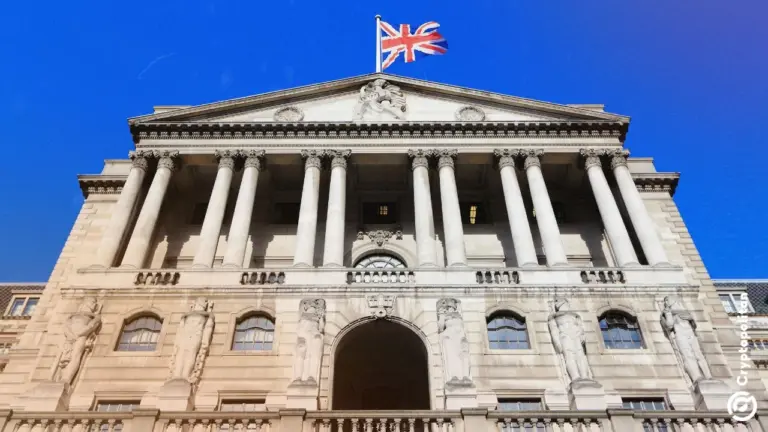
- The BoE and the FCA launched consultations to shape institutional tokenization and regulated digital wholesale financial markets.
- UK regulators promoted tokenized securities infrastructure while expanding sandbox testing and digital settlement modernization initiatives.
- Central banks increasingly integrate blockchain frameworks into mainstream finance through structured regulation and institutional oversight.
The Financial Conduct Authority (FCA) and the Bank of England (BoE) announced a joint consultation seeking industry feedback on the regulation of tokenized wholesale financial markets in the United Kingdom.
The consultation coincides with a global shift in legislators’ attention from retail cryptocurrency speculation to regulated institutional use cases, including digital settlement rails, tokenized bonds, stocks, and collateral systems. Regulators are planning workshops and a cross-authority roadmap for later in 2026. Industry replies to the consultation are due by July 3.
The regulators said in a joint statement, “The government’s Wholesale Financial Markets Digital Strategy identified tokenization as a significant opportunity, particularly in post-trade processes and collateral.” They added that this Call for Input builds on that approach and strengthens the government’s newly designated Wholesale Digital Markets Champion’s position.
BoE and FCA advance institutional tokenization market integration
The authorities said the project will provide firms with the legislative clarity they need to invest in and expand tokenized financial market infrastructure. Regulators presented their vision, guiding principles, and preliminary roadmap for the safe growth of tokenization inside UK wholesale markets through the Call for Input. They stated that later this year, a more comprehensive cross-authority roadmap and a coordinated reaction statement are anticipated.
The consultation marks a major step in the nation’s larger effort to incorporate digital assets into mainstream finance.
The target audience for the consultation is banks, investment firms, asset managers, trading venues, fintech companies, central counterparties, and central securities depositories that are creating tokenization infrastructure in the UK. Authorities noted that the scope may eventually broaden as digital market systems develop. However, tokenized assets such as bonds, stocks, and fund units remain the main focus of the current framework.
The announcement aligns with recent statements made by Sarah Breeden, who stressed that central banks should actively shape the future of digital money rather than waiting for markets to develop on their own. Breeden discussed how tokenization and programmable financial infrastructure could improve the effectiveness of payments, settlement, and collateral management, while also raising new systemic and regulatory issues, in a speech given during City Week 2026.
The UK’s latest consultation is part of a broader global trend in which authorities are seeking to leverage well-managed legislative frameworks to connect blockchain technology with traditional banking. Authorities are increasingly viewing tokenization as a component of the next generation of financial market infrastructure rather than treating digital assets exclusively as speculative vehicles.
Tokenization, which entails representing traditional financial assets on blockchain-based systems, has gained traction among institutional players seeking more effective collateral management, reduced operating costs, greater transparency, and faster settlement. Central banks and regulators are increasingly taking steps to ensure that such developments occur within regulated contexts, thereby maintaining market confidence and financial stability.
According to the speech published by the BoE’s archive on May 19, policymakers are more concerned with ensuring that innovation grows within frameworks that maintain confidence in the financial system. The consultation also highlights the UK’s desire to position itself as a competitive global hub for digital finance, as nations such as the US, Singapore, Hong Kong, and the EU continue to develop institutional frameworks for digital assets.
UK Regulators expand digital settlement and Sandbox testing
The consultation follows a series of initiatives already launched by the BoE and the Financial Conduct Authority to test distributed ledger technology and tokenization in regulated financial markets. According to the agencies, blockchain-based infrastructure could improve fund management efficiency, expand investor access, open new distribution channels, and meet changing institutional and consumer demand.
The FCA statement revealed that regulators introduced the Digital Securities Sandbox, a live regulated testing environment that enables businesses to test the issuance, trading, and settlement of tokenized securities. Sixteen companies have already completed the first stage and are getting ready to launch within the timeframe.
Separately, the BoE released a consultation on extending RTGS and CHAPS settlement hours toward nearly 24/7 operations. Depending on industry readiness, this might include longer daily operating hours and potential weekend settlement windows.
Don’t just read crypto news. Understand it. Subscribe to our newsletter. It's free.
Disclaimer. The information provided is not trading advice. Cryptopolitan.com holds no liability for any investments made based on the information provided on this page. We strongly recommend independent research and/or consultation with a qualified professional before making any investment decisions.

Collins J. Okoth
Collins Okoth is a journalist and markets analyst with 8 years of experience covering crypto and technology. He is a is a Certified Financial Analyst and holds a degree in Actuarial Mathematics. Collins has previously worked with Geek Computer and CoinRabbit as a writer and editor.









