







-
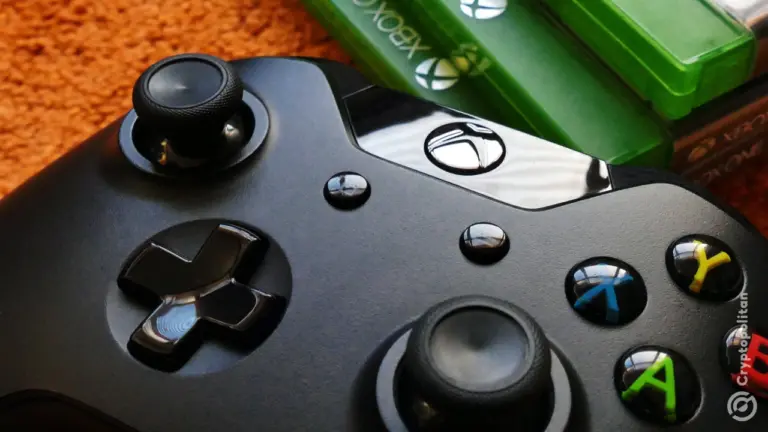
Microsoft is raising Xbox prices in the U.S. starting October due to Trump-era economic policies.
-
Every Xbox model will cost more, with increases ranging from $20 to $70.
-
CEO Satya Nadella addressed internal backlash after 9,000 layoffs and new office mandates.
Xbox consoles are about to cost more in the U.S., and Microsoft says it’s not random. Starting in October, the company is bumping up the retail prices of all major Xbox models.
And while they’re not spelling out Donald Trump’s name, they’re making it clear that current economic conditions—set in motion during his first term—are behind the move.
Microsoft made the announcement on Friday, blaming “changes in the macroeconomic environment” for the decision.
Gamers outside the U.S. won’t feel a thing. The company said that prices in other countries will stay the same. Accessories like controllers and headsets also won’t change.
But if you’re in the U.S., and you’re planning to buy a new console, you’ll need to pay more. The hike affects every model. And this isn’t the first time—Microsoft already raised U.S. Xbox prices earlier this year.
Microsoft increases console prices for the second time this year
The Xbox Series S is now $399, up from $379. The 1TB version costs $449. The Xbox Series X Digital model moves to $599, while the version with a disc drive is $649.
If you want the 2TB option, you’re looking at $799. That one’s up $70 from its previous price of $729. These changes were quietly posted in a PDF on Microsoft’s official site.
Sony and Nintendo have also raised prices in the U.S. around the same time, right after Trump’s tariff policy took effect again. It’s not a coincidence.
Trump, who’s now back in the White House, reimposed tariffs this year on multiple countries. The stated goal: bring manufacturing back to American soil. The result: more expensive gaming hardware for Americans.
On its site, Microsoft said, “We understand that these changes are challenging, and they were made with careful consideration.” Still, for buyers, it means spending more—again.
Microsoft staff question leadership after layoffs and office orders
Inside the company, things aren’t smooth either. On Thursday, Microsoft CEO Satya Nadella faced his own people during a virtual staff meeting.
One employee asked about the company’s workplace culture, pointing to what they felt was a lack of empathy. It wasn’t just a vague complaint. The question came just months after Microsoft cut 9,000 jobs in July, following several smaller rounds of layoffs.
Nadella responded directly, saying, “I deeply appreciate that, the question and the sentiment behind it. I take it as feedback for me and everyone in the leadership team, because at the end of the day, I think we can do better, and we will do better.”
The internal tension is also tied to the new office mandate. On Tuesday, Microsoft told workers near its Redmond, Washington headquarters that they’ll need to return to the office three days a week starting in February. That rule will be rolled out more widely later on.
Amy Coleman, the company’s HR chief, said the reception has been mixed. She admitted that some employees felt like they were losing control over their time. Still, she added that workers near Seattle already come in an average of 2.4 times a week.
During the pandemic, Microsoft went all-in on remote work. The company leaned heavily on its own Teams platform for meetings and daily work. But even now, it’s been slower than rivals to pull everyone back in. Amazon, for example, brought its employees back five days a week starting in January.
Outside the office walls, the financials look completely different. Microsoft stock is up almost 20% this year, crushing the broader market. Its market cap is now $3.7 trillion, making it the second most valuable company in the world behind Nvidia.
In July, the company reported $27 billion in net income, a 24% increase. The company’s gross margin was just under 69%, down from 71% in late 2023. That drop comes as Microsoft pours money into data centers, building and leasing infrastructure to keep up with massive demand for artificial intelligence.
The smartest crypto minds already read our newsletter. Want in? Join them.
Disclaimer. The information provided is not trading advice. Cryptopolitan.com holds no liability for any investments made based on the information provided on this page. We strongly recommend independent research and/or consultation with a qualified professional before making any investment decisions.

Jai Hamid
Jai Hamid has been covering crypto, stock markets, technology, the global economy, and the geopolitical events that affect markets for the past 6 years. She has worked with blockchain-focused publications including AMB Crypto, Coin Edition, and CryptoTale on market analyses, major companies, regulation, and macroeconomic trends. She has attended London School of Journalism and thrice shared crypto market insights on one of Africa’s top TV networks.









