






Visa names Polygon in 5-blockchain expansion of $7B stablecoin settlement pilot

- Visa added 5 new blockchains to its stablecoin settlement pilot, bringing the total to nine supported networks.
- The pilot program’s annualized settlement volume reached $7 billion, a 50% increase from the last quarter.
- Visa is now directly participating in network security by running validator nodes and rolling out “Agentic Ready” programs to over 85 partners.
Visa just expanded its stablecoin settlement program to nine blockchains, after adding Polygon, Base, Arc, Canton, and Tempo to a pilot that now processes $7 billion in annualized volume.
The payments company announced today, April 29, 2026, that those new networks would now join Ethereum, Solana, Avalanche, and Stellar as part of the pilot program. The program has sent its stablecoin settlement volume through the roof, with the pilot growing 50% quarterly to reach a $7 billion run rate, according to Visa’s investor relations page.
“Our partners are building in a multi-chain world, and they expect their options to reflect that reality,” said Rubail Birwadker, Visa’s Global Head of Growth Products and Strategic Partnerships in the announcement.
Which blockchain does Visa support for stablecoin settlement?
According to the Visa press release, each blockchain targets different sectors of the payments market.
- Arc (built by Circle) is designed around programmable money and real-time settlement.
- Base, powered by Coinbase, offers low-cost transaction finality.
- Canton focuses on privacy-preserving settlement for regulated institutions.
- Polygon handles high-volume stablecoin transfers at incredibly cheap fees.
- Tempo provides real-time stablecoin liquidity and settlement flows.
The CEO of Polygon Labs, Marc Boiron, noted that the integration reflects how “stablecoins are moving into real world payments at scale” in a blog post published today as well.
35% of all global USD-based stablecoin transfers flowed through one network last week: Polygon.
*168M transfers. 7 days.
— Polygon | POL (@0xPolygon) April 5, 2026
With Polygon currently handling around 35% of all USD stablecoin transfers while being the number one platform for USDC transfers (processing about $12 million per day), the statement may not be so far off.
Visa’s broader blockchain push
Visa’s expansion is not an isolated incident. Earlier in April, Visa launched a validator node on the Tempo blockchain with Stripe and Zodia Custody (a Standard Chartered subsidiary). This meant that Visa moved from settling transactions through Tempo to now directly participating in transaction ordering and network security on the platform.
“We’ve spent years building our expertise in blockchain, and now we’re expanding that work by running critical blockchain infrastructure ourselves,” stated Cuy Sheffield, Visa’s Head of Crypto, in the announcement.
Visa is also expanding into agentic commerce, where AI agents initiate and complete purchases on behalf of users. According to its press release at the time, the company mentioned that its Agentic Ready program (created for banks to test agent-initiated payments) is rolling out to 85+ partners across Asia Pacific and Latin America after launching in Europe.
Cryptopolitan also previously reported that industry observers, including Changpeng Zhao (CZ) expect agentic payments to be settled primarily through stablecoins, which would tie both of Visa’s two initiatives together.
Is Visa running blockchain validator nodes?
Visa’s pilot covers issuers and acquirers settling with their network, meaning it sits at the infrastructure layer instead of the consumer-facing one. Whether this will turn stablecoin settlement into a standard option alongside traditional rails depends on how quickly Visa’s banking partners integrate the new chains.
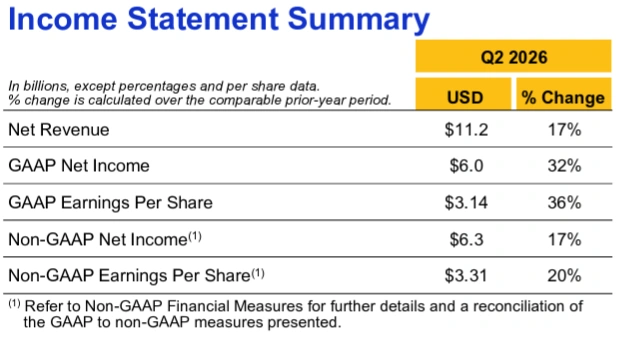
The company also reported its fiscal Q2 2026 earnings earlier this month, with figures like $11.2 billion in net revenue indicating strong growth. This was a 17% increase from their previous report, which was driven by serious growth in payments and cross-border volumes.
With nine blockchains integrated, $7 billion in annualized volume, and a validator seat on at least two networks, Visa is clearly betting on stablecoin infrastructure growing at a pace that would have been difficult to imagine two years ago.
If you're reading this, you’re already ahead. Stay there with our newsletter.
FAQs
Which blockchains does Visa now support for stablecoin settlement?
Visa's pilot supports nine blockchains: the newly added Arc, Base, Canton, Polygon, and Tempo, plus the existing Ethereum, Solana, Avalanche, and Stellar.
How much stablecoin volume is Visa processing through this program?
The pilot reached a $7 billion annualized stablecoin settlement run rate as of April 2026, representing 50% growth from the previous quarter, according to Visa's announcement.
Is Visa running its own blockchain infrastructure?
Yes. Visa launched a validator node on the Tempo blockchain in April 2026, making it one of the first major payment companies to operate blockchain validation infrastructure directly, alongside Stripe and Zodia Custody by Standard Chartered.
Disclaimer. The information provided is not trading advice. Cryptopolitan.com holds no liability for any investments made based on the information provided on this page. We strongly recommend independent research and/or consultation with a qualified professional before making any investment decisions.

Hannah Collymore
Hannah is a writer and editor with nearly a decade of blog writing and event reporting experience in the crypto space. At Cryptopolitan, Hannah contributes to the news page, reporting and analyzing the latest developments in DeFi, RWA, crypto regulation, AI and frontier tech industries. She graduated from Arcadia university with a degree in Business Administration.









