






Venezuela’s crypto activity jumps 107% to $39.1 billion, fastest among Latin America’s big five

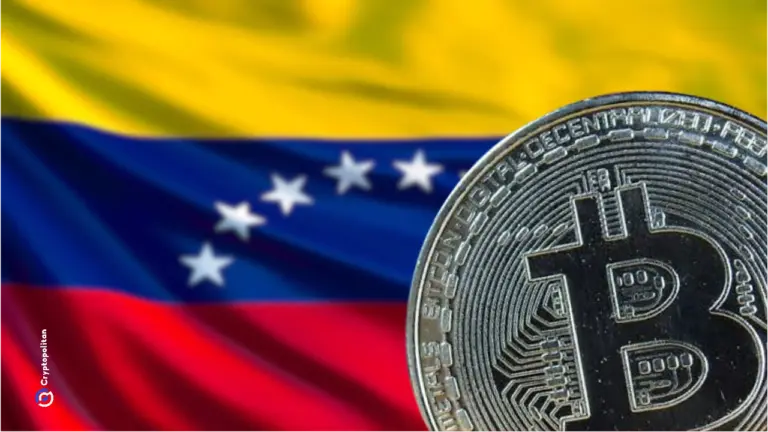
- Venezuela’s crypto activity rose 107.2% to $39.1 billion in the 12 months to June 30, 2026, Chainalysis said.
- That was the fastest growth among Latin America’s five largest crypto markets.
- In the quarter after Maduro’s January arrest, 891.7% more crypto left Venezuela than the period before.
Venezuela’s crypto activity more than doubled in the 12 months to June 30, 2026, up 107.2% to $39.1 billion, Chainalysis said.
It was the fastest growth among the five biggest crypto markets in Latin America.
Mexico, Argentina and Colombia grew between 13.8% and 25.5%
Venezuela was fourth in the region by activity, behind Brazil at $252.5 billion, Argentina at $88.5 billion, and Mexico at $77.6 billion.
Colombia was fifth at $29.1 billion. Mexico grew 25.5%, Argentina 15.3%, and Colombia 13.8%, while Venezuela’s rate was almost eight times that of Colombia. Honduras was up 361.6%, and Nicaragua was up 186.4%.
The region’s crypto economy grew by 9.8% to $593.8 billion, the sixth-largest of any region. Brazil remained the biggest market and headed Chainalysis’s global adoption index.
Outflows rose 891.7% in the quarter after Maduro’s arrest
Chainalysis connected the spike to January 2026, when the United States detained President Nicolás Maduro. Stablecoin payments surged as people fled the bolívar for dollar-based crypto assets, the firm said.
In the quarter after Maduro’s arrest, 891.7% more crypto left Venezuela than in the previous quarter.

Venezuela’s domestic P2P stablecoin growth peaked about 65 points above the region’s three largest markets around early February. By March, it had slipped back to the regional trend.
Chainalysis wrote that in Venezuela and Argentina, crypto offers an alternative to traditional financial services or access to scarce foreign currency.
In December 2025, Cryptopolitan reported that Venezuelans were employing stablecoins pegged to the dollar, such as Tether’s USDT, to pay wages, send remittances, and make payments to vendors.
“Here in Latin America, all this adoption comes from necessity,” said Carlos Peralta, senior public policy expert at Bitso. “It’s not just adoption for adoption’s sake.”
If you're reading this, you’re already ahead. Stay there with our newsletter.
FAQs
How much did Venezuela's crypto economy grow?
It rose 107.2% to $39.1 billion in the 12 months ending June 30, 2026.
Why are Venezuelans adopting crypto so quickly?
Chainalysis tied the surge to Maduro's arrest in January 2026, which pushed people from the bolívar into dollar-based stablecoins.
Which country leads Latin America's crypto economy?
Brazil, with $252.5 billion in activity, the region's largest crypto economy.
Disclaimer. The information provided is not trading advice. Cryptopolitan.com holds no liability for any investments made based on the information provided on this page. We strongly recommend independent research and/or consultation with a qualified professional before making any investment decisions.

Randa Moses
Randa Moses is an editor and reporter at Cryptopolitan covering tech, AI, robotics, crypto, scams, and hacks. She has worked in the crypto space since 2017. She held roles at Forward Protocol, AmaZix, and Cryptosomniac. Randa holds a degree in Electrical and Electronics Engineering from the University of Bradford.









