





US extends sanctions waiver for Russian oil amid pressure from prices and poor nations

- U.S. Treasury extends sanctions waiver on Russian oil.
- The move should aid “vulnerable countries” and ease market pressure.
- Analysts don’t expect the measure to drive down gasoline prices in the United States.
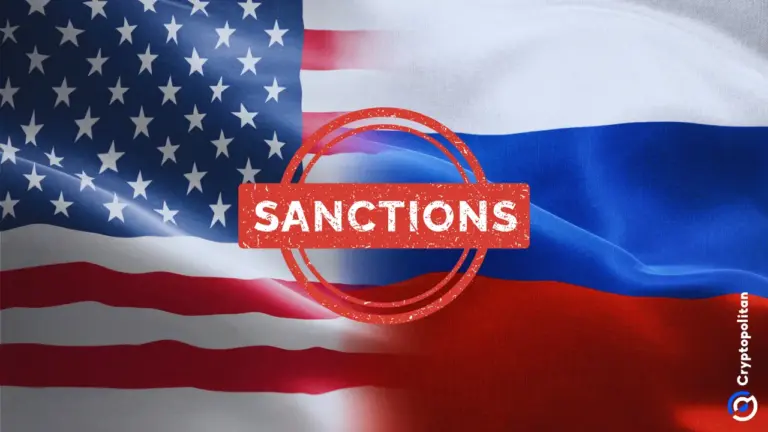
The United States is extending a sanctions waiver on seaborne Russian oil as the closure of the Hormuz Strait continues to pressure global markets.
Washington says this will help “energy-vulnerable” countries cut off from supply through the choke point as a result of the Iran war, which is yet to end.
U.S. Treasury extends license for Russian oil for another month
The administration of U.S. President Donald Trump announced another 30-day extension of a sanctions waiver which permits the purchase of oil of Russian origin stranded at sea.
The measure concerns crude and petroleum products loaded on tankers as of April 17, 2026, reads the notice published by the U.S. Treasury’s Office of Foreign Assets Control (OFAC).
Treasury Secretary Scott Bessent took to X on Monday to highlight that the license will aid nations whose energy supplies have been affected by the war with Iran.
The United States is reissuing it for a second time during the conflict, which approaches its third month. The previous waiver lapsed on Saturday and the move was expected.
A knowledgeable source had revealed to Reuters that the extension was requested by poor nations that cannot receive shipments from the Persian Gulf.
“This general license will help stabilize the physical crude market and ensure oil reaches the most energy-vulnerable countries,” Bessent emphasized in his post.
.@USTreasury is issuing a temporary 30-day general license to provide the most vulnerable nations with the ability to temporarily access Russian oil currently stranded at sea.
This extension will provide additional flexibility, and we will work with these nations to provide…
— Treasury Secretary Scott Bessent (@SecScottBessent) May 18, 2026
The temporary authorization allows buyers to access Russian oil without violating sanctions imposed on Russia’s giants Rosneft and Lukoil when the U.S. pushed for peace in Ukraine last year.
The coordinated U.S.-Israeli strikes on the Islamic Republic, which started at end of February, sent oil prices soaring, with the benchmark Brent exceeding $110 per barrel this week.
The Treasury first issued the waiver in March to ease supply shortages and alleviate price pressures. U.S. officials also insist it limits China’s stockpiling of discounted Russian oil.
In April, Bessent said the United States was not going to extend the licenses for both Russian and Iranian oil. Sanctions on the latter had been also waived the previous month.
Trump’s Russian oil sanctions relief draws criticism
The administration’s decision to license Russian oil supplies has been criticized by Donald Trump’s political opponents in the U.S.
Last month, 14 Senate Democrats described it as a “mistake that President Trump must reverse immediately,” as noted by Politico.
Now, democratic senators Jeanne Shaheen (NH) and Elizabeth Warren (MA) called it an “indefensible gift” to Russian President Vladimir Putin. In a statement quoted by Reuters, they warned:
“Every additional dollar the Kremlin earns from this license helps Putin finance his illegal war against Ukraine and kill innocent Ukrainians.”
They also insisted that the sanctions waiver is neither helping bring down prices at the pump in America, nor stabilizing global fuel markets.
Analysts agree that while the measures may prove helpful to some nations highly dependent on Gulf oil, they won’t lower U.S. gas rates.
“It is not yet clear whether these short-term authorizations have had any meaningful impact on U.S. gasoline prices,” said Stephanie Connor, partner at the Holland & Knight law firm.
The former policy director at OFAC further remarked that the sanctions on Russian oil imposed by the European Union and the United Kingdom remain in force at this point.
Many are also concerned that the American waivers are giving an additional boost to Russia’s oil revenues, already bumped by higher oil prices.
“Given the information coming out of the Russian economy that looks bad, this might be the time to really hit them with sanctions, but I don’t see the administration has come to that conclusion,” commented Charles Lichfield, deputy director of the Atlantic Council’s GeoEconomics Center.
Meanwhile, the United States did not renew the waiver for Iranian oil, which expired last month when Washington imposed new sanctions to put additional pressure on Tehran.
Don’t just read crypto news. Understand it. Subscribe to our newsletter. It's free.
Disclaimer. The information provided is not trading advice. Cryptopolitan.com holds no liability for any investments made based on the information provided on this page. We strongly recommend independent research and/or consultation with a qualified professional before making any investment decisions.










