







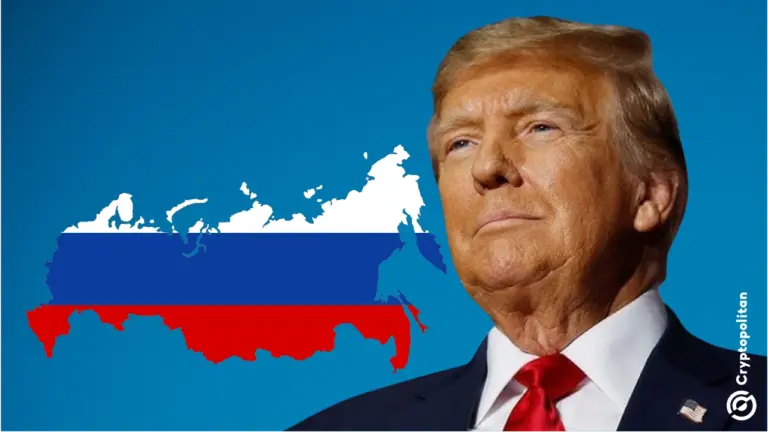
- After the Alaska meeting, Trump stepped back from “very severe” penalties, floated a broader peace push.
- Congress from both parties criticized the friendly imagery and the lack of new sanctions; analysts framed the session as buying Putin time.
- The U.S. could still hit Russia’s oil “shadow fleet” with secondary sanctions.
The United States still has strong influence over Russia’s economy and its capacity to keep fighting in Ukraine, but President Donald Trump has stepped back from earlier threats to hit Moscow with tougher measures if talks on a ceasefire stalled.
On Friday in Alaska, Trump and Russia’s Vladimir Putin ended their closely watched talks with no deal. By Saturday, Trump signaled a new goal. It was a broader peace deal between Russia and Ukraine, aligning more with Putin’s line, rather than a narrow ceasefire.
He also reportedly supported Putin’s proposal that Ukraine surrender territory it currently controls in exchange for a Russian pledge not to attack again.
Fortune noted that was a sharp turn from Trump’s pre-Alaska warnings, when he said Russia would face “very severe consequences” if Putin refused a ceasefire.
Pressed on why he did not follow through, Trump said he would pause any new penalties for now and hinted the threat could return as diplomacy unfolds.
As Cryptopolitan reported earlier, Congress was upset. The Ukraine war is still on, yet Trump smiled and drove Putin in a private car. He said they agreed on “many, many points” but also said “there’s no deal until there’s a deal.” He refused new sanctions. Both parties—even usual allies—criticized him.
He told Fox News “Because of what happened today, I think I don’t have to think about that now”.
He added “I may have to think about it in two weeks or three weeks or something, but we don’t have to think about that right now.”
Trump could hit Russia’s energy revenues with secondary sanctions
Before the meeting, Trump had floated secondary sanctions on Russia’s oil sector. Oil and gas supply most of the Kremlin’s money, a weak point Washington could exploit.
Targeting the “shadow fleet” of tankers that quietly move Russian crude could trigger a “deep financial crisis” for the war economy, said Robin Brooks, a senior fellow at the Brookings Institution and former chief economist at the Institute of International Finance.
He noted that after the Biden administration sanctioned nearly 200 ships in January, just before Trump returned to office, activity by those vessels collapsed. Yet another 359 ships already blacklisted by the European Union or United Kingdom have not been hit by U.S. measures.
“Sanctioning these ships would be a hammer blow to the Russian war machine,” Brooks wrote. “There would undoubtedly be a sharp fall in the Urals oil price, reducing the flow of hard currency to the Russian state, and the Ruble would most likely depreciate significantly.”
Alaska session buys Putin time on Ukraine front
Foreign-policy analysts said the Alaska session amounted to a win for Putin, who avoided immediate punishment and gained time for his forces to push for more gains in Ukraine.
Even so, Melinda Haring, a nonresident senior fellow at the Atlantic Council’s Eurasia Center, stressed that Trump still holds powerful tools.
“Let’s hope that Trump sees through Putin’s endless appetite to talk and tires of the Russian dictator’s pseudo-historical lectures,” she wrote. “Trump can squeeze the Russians; he seems to forget that the United States holds the cards, not Moscow.”
Russia’s finances show strain. Oil and gas revenue fell 27% in July from a year earlier, and war spending is widening the budget gap.
The National Wealth Fund, a key reserve, has shrunk from $135 billion in January 2022 to $35 billion by May and could be exhausted later this year, according to recent estimates.
“Russia’s economy is fast approaching a fiscal crunch that will encumber its war effort,” economist and Russia scholar Anders Åslund wrote last week. “Though that may not be enough to compel Putin to seek peace, it does suggest that the walls are closing in on him.”
Don’t just read crypto news. Understand it. Subscribe to our newsletter. It's free.
Disclaimer. The information provided is not trading advice. Cryptopolitan.com holds no liability for any investments made based on the information provided on this page. We strongly recommend independent research and/or consultation with a qualified professional before making any investment decisions.

Noor Bazmi
Noor Bazmi contributes to Cryptopolitan news team equipped with a Media Studies degree. Noor covers news on blockchain, cryptocurrency, artificial intelligence, Big Tech, EV markets, global economics, and government policy shifts. She is taking studies in marketing to connect with global audiences.









