





TL;DR Breakdown
- Eun Sung-soo says all crypto exchanges in South Korea could be shut down.
- Under new regulation, crypto exchanges must register with the commission.
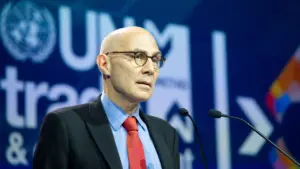
The chairman of South Korea’s Financial Services Commission, Eun Sung-soo, has said the country might have to shut all 200 crypto exchanges by September.
He made the remarks at a meeting of the National Assembly’s Political Affairs Committee, the Korea Times reported. The fate of these exchanges would be dependent on the new anti-money laundering laws (AML), which came into play last year.
The law requires that all exchanges have to implement all the AML guidelines and work alongside banks to get information security management certified.
Exchanges have been asked to register from the 25th of March to get their virtual asset service provider license as none of the 200 exchange firms in the country have applied for the license. They have until the 24th of September to apply or risk being shut by the government.
New AML effects on South Korea exchanges
The East Asian country remains one of the countries where crypto is actively traded and is famous for Bitcoin ‘Kimchi’ premium, the price between Korean exchanges and American exchanges, which at the peak was around 20% and has come down to below 2%.
Should the South Korean crypto market be effectively shut down by the new regulations, the kimchi premium could cease to exist. The new AML regulations also threaten to shut down the burgeoning market in South Korea.
Presently, only four top exchanges in the country have a partnership with a local bank as required by the regulators ahead of September. The regulators have remained critical of the crypto space despite the increasingly positive perception of crypto globally.
Eun Sung-soo led claims that crypto is too volatile and speculative, unlike many other assets. The country has also imposed a 20 percent tax on crypto gains, as several other countries had failed when they tried implementing the same policy. They have gone back to regulate, keeping wider adoptions in mind.
Don’t just read crypto news. Understand it. Subscribe to our newsletter. It's free.

Muhaimin Olowoporoku
Muhaimin loves writing on crypto news aside from being a crypto enthusiast. He has a knack for analysing issues and updating people on what’s happening around the globe. He believes that blockchain and cryptocurrency are the most useful systems of mutual trust ever devised.









