


South Korea and Japan call Trump’s billion-dollar funding demands unrealistic

- South Korea’s National Security Adviser says the country cannot pay $350 billion in cash as demanded by the US.
- Japan’s leading prime ministerial candidate suggests renegotiating their $550 billion investment deal if it doesn’t serve Japan’s interests
- Both countries secured lower US tariffs in exchange for the investments, but remain divided over payment structures and implementation details
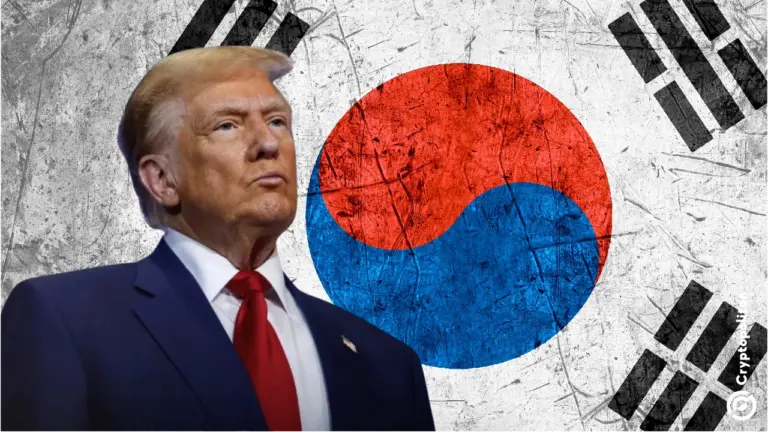
President Donald Trump’s efforts to lock in substantial investment commitments from key Asian partners are encountering significant obstacles, with South Korea calling Washington’s demands unrealistic and a leading Japanese political figure raising the prospect of renegotiating their agreement.
On Saturday evening, South Korea’s National Security Adviser Wi Sung-lac stated clearly during an interview on Channel A News television that his country cannot deliver $350 billion in cash. “It is objectively and realistically not a level we are able to handle,” Wi said, emphasizing that “our position is not a negotiating tactic.”
Wi’s remarks followed Trump’s characterization of the investment commitments secured from Japan and South Korea as “up front” payments.
Seoul and Washington reached an agreement in July promising an investment of $350 billion included in wider trade arrangement to reduce US tariffs from 25% to 15%.
However, the two nations remain at odds over how the payment structure should work. Japan has made a similar commitment worth $550 billion, though details about how it will be carried out remain vague. Information that has surfaced about the arrangement has caused alarm among officials in Seoul.
Last week, South Korea’s Prime Minister Kim Min-seok told Bloomberg News that without a deal of currency swap with the US, the investment might inflict severe harm on the country’s economy. The $350 billion amount equals more than 80% of South Korea’s foreign currency holdings.
Japan also expressed reservations about their $550 billion US investment arrangement over the weekend. Sanae Takaichi, a top contender to lead Japan’s ruling party, indicated that revisiting the trade deal with the US might be an option if it fails to serve Japan’s interests.
Speaking on Sunday about the investment fund, Takaichi said Japan must not back down if any aspects of the deal’s implementation prove unfavorable or unjust to the country, and “that includes a potential renegotiation.”
Washington prefers cash over loans
According to reports, US Commerce Secretary Howard Lutnick has informed South Korean officials that Washington wants the investment in cash instead of loans.
Wi indicated the government is looking at other options and remains hopeful about achieving progress during the upcoming meeting between the two leaders at the APEC Summit in Gyeongju next month.
In a related matter, Korea’s Finance Minister Koo Yun-cheol informed reporters on Saturday that he has completed discussions with the US on foreign exchange issues and will announce specifics soon.
A presidential official later clarified that Koo’s comments relate to the US Treasury’s report on currency policies of its major trading partners.
Japan’s investment mechanism remains murky
In Japan, the Asian country has accepted the $550 billion investment arrangement as part of an agreement with the US to lower tariffs on Japanese exports to 15%, but the funding mechanism remains unclear.
A memorandum of understanding the both countries signed at the start of September indicated that once Trump has picked investment projects for Japan to finance, the country has 45 business days to come up with the funds.
The sum must be deposited into the account or accounts designated by the US in dollars.
However, Japan’s chief trade negotiator Ryosei Akazawa has since maintained that JBIC and NEXI, the two organizations primarily responsible for funding the investments, will not provide money for projects that do not benefit Japan. Akazawa said he does not anticipate the investment mechanism will significantly impact Japan’s government finances because it will be executed according to existing laws that govern JBIC and NEXI.
The Japanese trade negotiator has previously contended that only 1-2% of the $550 billion mechanism will be actual investment, with the remainder consisting of loans and loan guarantees.
The LDP is scheduled to hold a vote for its next leader on Oct. 4. Takaichi and Agriculture Minister Shinjiro Koizumi are the two leading candidates in the race that will likely decide who becomes Japan’s next prime minister.
If you're reading this, you’re already ahead. Stay there with our newsletter.
Disclaimer. The information provided is not trading advice. Cryptopolitan.com holds no liability for any investments made based on the information provided on this page. We strongly recommend independent research and/or consultation with a qualified professional before making any investment decisions.

Noor Bazmi
Noor Bazmi contributes to Cryptopolitan news team equipped with a Media Studies degree. Noor covers news on blockchain, cryptocurrency, artificial intelligence, Big Tech, EV markets, global economics, and government policy shifts. She is taking studies in marketing to connect with global audiences.