






Saudi Arabia’s oil output drops 42% to lowest level since 1990 as Iran war chokes Gulf exports

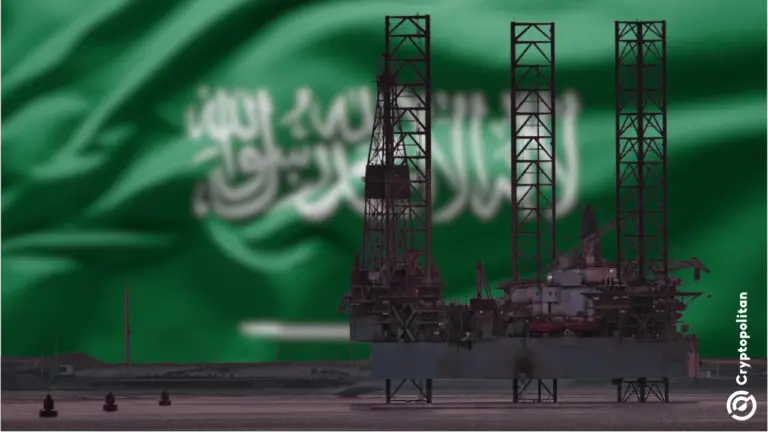
- Saudi Arabia’s oil production fell 42% since February to 6.316 million barrels a day in April, the lowest since 1990.
- The Iran war has continued to block Persian Gulf exports, with OPEC-wide output dropping by 1.727 million barrels a day.
- The supply shock is colliding with weakening demand forecasts and the UAE’s planned exit from OPEC, raising the risk of further fuel price increases.
Saudi Arabia has told the world petroleum body OPEC that its crude oil production in April fell to just 6.316 million barrels per day, the lowest monthly number since the 1990 Gulf War, as the war involving Iran rages on and continues to block oil shipments through the Persian Gulf.
The sovereign kingdom’s crude oil output dropped by about 651,000 barrels a day from the previous month, according to OPEC’s monthly report.
Since February, Saudi production has fallen by a whopping 42%, a scale of disruption not seen since Iraq’s invasion of Kuwait 36 years ago.
OPEC’s petroleum output under intense pressure
Source estimates in the OPEC report showed that the total petroleum output by the members of the organization had fallen by 1.727 million barrels a day in April to an average of 18.98 million barrels a day. This proves that the damage extends beyond Saudi Arabia. However, Saudi Arabia contributed to almost half of that decline.
The second-most-hit OPEC country is Kuwait. Its production has been cut approximately in half to around 600,000 barrels a day, according to OPEC data. Two other countries that also saw huge disruptions to their crude exports in the Gulf include Iraq and the UAE.
Riyadh reported its “supply to market,” excluding oil moved into storage, at 6.879 million barrels per day. External consultants tracked by OPEC placed the kingdom’s output slightly higher than its own submission, at 6.768 million barrels a day, according to the Financial Post.
UAE OPEC exit and Saudi Arabia’s options
Adding to the instability, the UAE announced last month that it intends to leave OPEC in May after about 60 years of membership.
The departure follows years of friction with Saudi Arabia over production quotas, as well as regional political disputes. Under OPEC’s laws, the UAE will formally remain a member until January 1, 2027.
The UAE has found alternative routes for crude exports since the war has curtailed exports through the Persian Gulf.
Saudi Arabia has also employed some of these crude shipment rerouting options, using a pipeline to the Red Sea. However, other oil producers in the Gulf, particularly Kuwait, lack this flexibility and have therefore incurred greater losses.
Fuel prices climb amid different demand projections
The crude oil supply shock created by the Iran war arrives alongside rising fuel costs and growing global economic recession concerns.
OPEC had previously cut its 2026 global oil demand growth forecast to 1.2 million barrels a day, down from a previous estimate of 1.4 million barrels a day.
The International Energy Agency offered a far more pessimistic view, projecting that world demand will contract by 420,000 barrels a day this year, which would be such a steep decline not seen since the Covid economic collapse in 2020.
The Iran conflict continues to rage on with no short-term end in sight, as U.S-Iran negotiations have been at a stalemate for a while.
This instability could push Saudi Arabia’s petroleum output even lower, amid the UAE’s departure from OPEC and its direct effect on the coordination of crude production policy.
Don’t just read crypto news. Understand it. Subscribe to our newsletter. It's free.
Disclaimer. The information provided is not trading advice. Cryptopolitan.com holds no liability for any investments made based on the information provided on this page. We strongly recommend independent research and/or consultation with a qualified professional before making any investment decisions.

Opeyemi Olanrewaju
Opeyemi specializes in creating and refining high-quality content focused on cryptocurrency, global financial markets and the economy. He graduated from the University of Ibadan with an MBBS degree. He has worked as Editor-in-Chief for his College’s editorial publication and previously at CFA. For over six years, he has helped safeguard uniqueness as news editor at Cryptopolitan.









