






- Russia’s ruble has surged over 45% against the dollar in 2025, the strongest annual gain since 1994.
- Tight interest rates, low demand for foreign currencies, and government asset sales fueled the rally.
- Business leaders and economists say the strong ruble is hurting exporters and domestic investment.
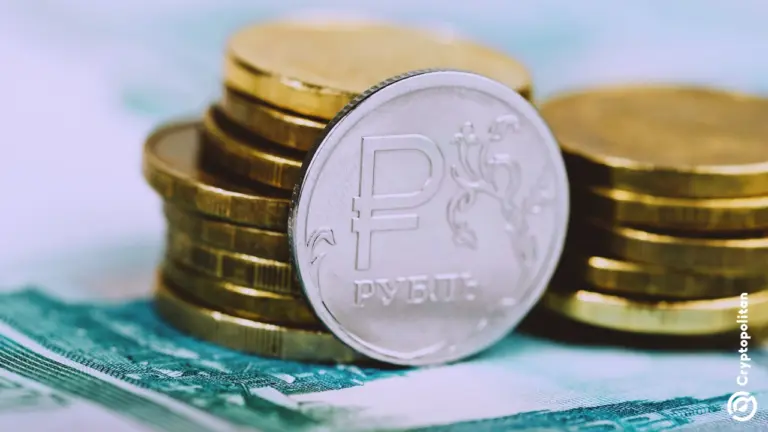
Russia’s ruble is the strongest major currency in the world this year, surging about 45% against the U.S. dollar and trading near 78 per dollar in 2025.
According to data from Bloomberg, the ruble is trading close to levels last seen before Russia launched its full-scale invasion of Ukraine nearly four years ago, and over the past twelve months, the gain is the biggest annual rise for the currency since at least 1994.
Moscow had projected an average exchange rate of 91.2 per dollar for this year, instead, the ruble stayed strong even as oil prices weakened and new U.S. and European sanctions landed.
That strength is now squeezing exporters because foreign revenue converts into fewer rubles. It is also tightening state finances at a time when war spending remains heavy.
A major reason behind the rally is the collapse in demand for foreign currency inside Russia. Sanctions have reduced access to dollars and euros, cutting demand sharply. At the same time, the central bank kept borrowing costs extremely high.
The key rate stayed at a record level from October last year through June before being cut by a total of five percentage points to 16%. Those rates pushed residents toward ruble deposits and bonds.
Tight policy and state FX sales push the currency higher
The Bank of Russia has also been active in the market, as its foreign exchange sales mirrored moves by the Finance Ministry, specifically when it started selling yuan and gold from the National Wellbeing Fund. The goal has been to replace lost energy income.
Oil and gas revenues dropped 22% in the first eleven months of the year, according to data from Russia’s Finance Ministry, though despite that, the ruble is among the five best-performing global assets by spot return this year, behind platinum, silver, palladium, and gold.
Inside the central bank, the strength has been welcomed as a tool against inflation.
Elvira Nabiullina, Governor of the Bank of Russia, said the disinflationary impact of the stronger currency has not yet run its course. Her comments signaled that policymakers are not rushing to weaken the ruble, even as concerns build elsewhere in the economy.
Economists warn a strong ruble risks stagflation as oil slides
Economists at the Stolypin Institute for the Economy of Growth see growing danger. In a report released this month, they warned that a firm ruble combined with expensive credit could push the economy toward stagflation.
The central bank now expects economic growth to slow to 0.5% to 1% this year, down sharply from 4.3% in 2024.
The institute said the currency is now overvalued and damaging competitiveness. The report said Russia is “losing its natural advantages as an energy power, offering foreign consumers better conditions than domestic producers and worsening the country’s investment appeal.” The warning added pressure to a debate already underway in Moscow.
Business leaders echoed that view. Alexander Shokhin, head of the Russian Union of Industrialists and Entrepreneurs, said a weaker ruble would help exporters, the federal budget, and the wider economy.
“A weaker ruble would benefit not only exporters and the budget, but the entire economy,” Alexander said in comments to RBC. The lobby group is scheduled to meet President Vladimir Putin on Wednesday to discuss economic issues.
Oil markets remain a key risk. Brent crude rose for a sixth straight day on Wednesday, climbing 14 cents to $62.52 a barrel. U.S. West Texas Intermediate gained 23 cents to $58.61. Both contracts are up about 6% since December 16, when prices fell to near five-year lows.
Still, oil has had a rough year. Brent is on track for a 16% annual decline, while WTI is down about 18%, marking their steepest yearly losses since 2020, when the COVID-19 pandemic crushed global demand. The ruble rally continues despite that backdrop.
Don’t just read crypto news. Understand it. Subscribe to our newsletter. It's free.
Disclaimer. The information provided is not trading advice. Cryptopolitan.com holds no liability for any investments made based on the information provided on this page. We strongly recommend independent research and/or consultation with a qualified professional before making any investment decisions.

Jai Hamid
Jai Hamid has been covering crypto, stock markets, technology, the global economy, and the geopolitical events that affect markets for the past 6 years. She has worked with blockchain-focused publications including AMB Crypto, Coin Edition, and CryptoTale on market analyses, major companies, regulation, and macroeconomic trends. She has attended London School of Journalism and thrice shared crypto market insights on one of Africa’s top TV networks.









