




• Russian state’s oil and gas revenues decline in 2025.
• Finance ministry registers 20% drop in January-August.
• Decrease comes amid heightened U.S. pressure on buyers.
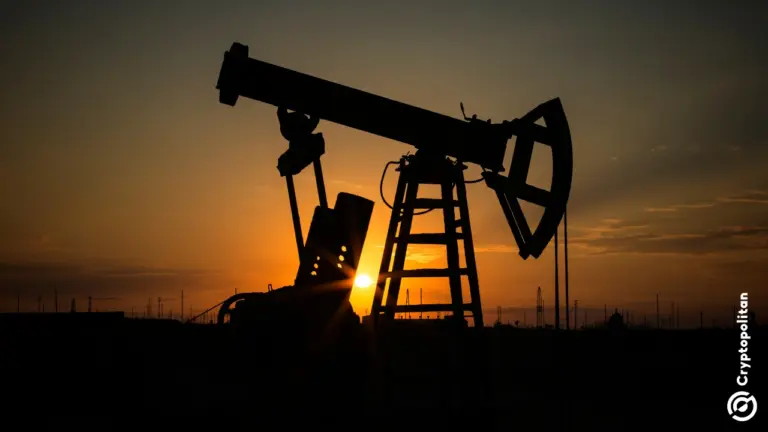
Russia’s budget revenues from oil and natural gas sales have dropped by more than 20% in 2025, according to data released by the finance ministry in Moscow.
The department blamed the significant decrease on lower oil prices. The official stats come amid increased U.S. pressure on buyers of Russian crude around the world.
Russian budget receipts from oil and gas decline
Federal budget revenues from the oil and gas sector were just under 6.03 trillion rubles (less than $72 billion) in the first eight months of the year, Russia’s Ministry of Finance (Minfin) announced.
The total is 20.2% lower than during the same period of last year, according to the data published on the department’s website and quoted by the official TASS news agency late on Tuesday.
The ministry explained that revenues fell mainly due to a decrease in the average price of oil and commented:
“The receipt of oil and gas revenues in January-August of this year was at a level exceeding their base amount, but there are risks of their decline due to the weakening price situation.”
At the same time, non-oil and gas budget revenues increased by 14.3% year-on-year between January and August 2025, reaching 17.7 trillion rubles, or almost $210 billion, according to current exchange rates on Wednesday.
“Revenues from turnover taxes, including VAT, increased by 6% year-on-year in January-August, which corresponds to the trends of cooling domestic demand and inflation,” the Minfin also detailed.
Meanwhile, Russia’s Finance Minister Anton Siluanov announced that oil and gas budget revenues for 2026 will be estimated based on an average price of $59 per barrel. The government official told the RBC radio:
“We see that analysts are saying that in the medium term, Brent will cost somewhere around $60-65 per barrel.”
“Today, we have discounts to the Brent brand, so it seems to me that the forecast made by the Ministry of Economic Development for the price of oil is quite balanced, $59, somewhere around $60 in the following years,” Siluanov added, also quoted by TASS.
Western pressure takes toll on Russian oil exports
In August, Russia’s total monthly fossil fuel export revenues decreased for a third consecutive month, declining by 2% over July, to €564 million per day ($660 million), according to figures quoted by the Center for Research on Energy and Clean Air (CREA), a Finland-based nonprofit.
Last month, the five largest importers of Russian fuels – China, India, Turkey, the European Union, and South Korea – paid Russia €979 million (over $1.1 billion) for fossil fuels, the independent research organization unveiled in its monthly analysis, published Sept. 10.

Most of the countries in this group have, over the past weeks and months, found themselves under heavy U.S. pressure over buying Russian energy, as Washington tries to force Moscow to sit at the negotiating table and end the conflict in Ukraine.
India was hit and China threatened with fresh American tariffs, and President Donald Trump reportedly urged the EU this week to slap the two BRICS members with 100% levies.
Both have continued their oil purchases from Russia, as previously reported by Cryptopolitan. The West says Moscow is using the money to fund its war effort.
Earlier this summer, the EU and the U.K. agreed to lower a price cap on Russian oil exports from $60 to $47.60 a barrel as part of another sanctions package, which European officials described as “one of the strongest to date.”
On Wednesday, European Commission President Ursula von der Leyen said the EU is “looking at phasing out Russian fossil fuels faster, the shadow fleet and third countries” in the context of its next, 19th package of sanctions that’s currently under preparation.
The head of the EU’s executive body made the announcement in her State of the Union address to members of the European Parliament, quoted by Reuters. It comes after last week’s call from President Trump to stop buying oil from the Russian Federation.
The smartest crypto minds already read our newsletter. Want in? Join them.
Disclaimer. The information provided is not trading advice. Cryptopolitan.com holds no liability for any investments made based on the information provided on this page. We strongly recommend independent research and/or consultation with a qualified professional before making any investment decisions.