





- Russia’s oil production is falling due to war damage and Western sanctions.
- Hard-to-reach oil now makes up most of Russia’s remaining reserves.
- Sanctions blocked access to tech, gear, and skilled labor needed for drilling.
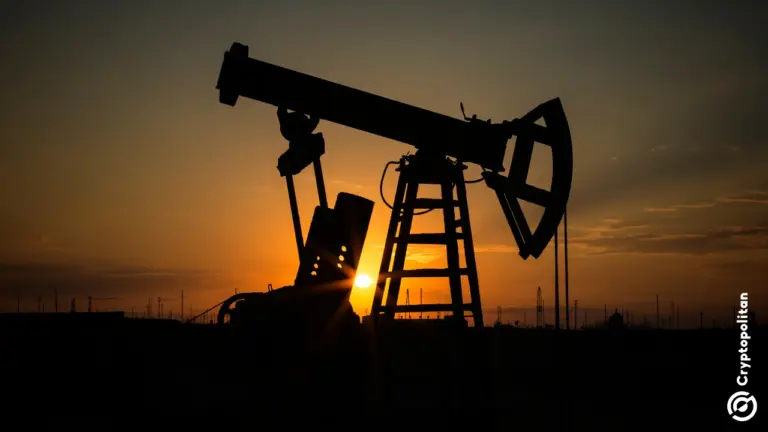
Russia has fueled its invasion of Ukraine for more than three and a half years by keeping oil flowing, but the lifeline is drying up. The war and Western sanctions are making it harder to pull crude from already declining reservoirs.
Analysts project at least a 10% drop in output by 2030, a major threat to the Kremlin’s economy built on petrodollars, according to figures shared in public by the Russian Energy Ministry and industry executives.
Moscow managed to keep oil production and exports steady at the start of the conflict by maintaining old fields instead of investing in new ones. That tactic is hitting its limit. Up to one-third of Russia’s budget comes from energy profits, a figure expected to shrink as output falls.
Even before the war, Soviet-era fields in Western Siberia and the Volga-Urals region were running dry. Companies turned to harder-to-recover crude in Arctic and Siberian zones, but that option is now blocked by sanctions and shortages.
Russia loses technology and talent in oil sector
Russian majors once planned to tap Siberian shale with techniques used in Texas and North Dakota. That plan collapsed after sanctions cut off access to needed technology. The Kremlin raised taxes on oil companies to fund the war, further straining the sector. Skilled labor has thinned as young men joined the frontlines with large soldier packages, died in combat, or fled the country.
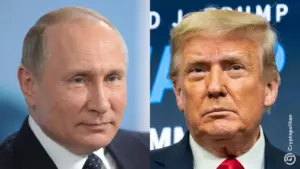
President Donald Trump, now in the White House, has intensified pressure on Vladimir Putin to halt the invasion. But even a sudden end to war and sanctions would not fix the industry. Matthew Sagers of S&P Global Commodity Insights said, “Getting oil out of the ground is harder and more expensive but the deteriorating resource base means you have to run faster every year just to stay in place. It’s essentially a long, slow goodbye for Russian oil.”
The Energy Ministry reported that hard-to-recover reserves will rise to 80% by 2030, from 59% now. Deputy Minister Pavel Sorokin said at a conference last year, “This means that both capital and operating costs to bring this resource out of the ground will grow.” Daria Melnik, vice president at Rystad Energy, added, “The golden era of Russia’s giant conventional oil fields is in the past.”
Russia struggles with equipment shortages and rising costs
Sanctions have stripped Russia of the specialized equipment needed for drilling, transporting, and refining. Oil operators lack modern software to analyze wells and rock data.
Even existing programs have been blocked from updates since 2022, leaving them useless. Companies also lack drill sensors that provide real-time readings of rock layers, fluids, and positioning.
Gazprom Neft chief executive Aleksandr Dyukov said last year the company was missing around 200 items necessary for extraction and refining. He set a target to eliminate the shortage by 2027. Russia also lacks enough ice-strengthened tankers to carry Arctic oil and gas.
Export controls blocked access to foreign-built ships, parts, and technology. Shipyards in South Korea canceled Russian orders, and domestic yards have not replaced them quickly.
With reserves shrinking, the cost of every barrel rises because the remaining crude is harder to reach. War has pushed costs even higher. Equipment routed through third countries is more expensive. The labor crunch raised wages for oil workers. Even basic materials like sand, used to keep cracks open in fracked wells, cost more.
“Everything is more expensive,” Sagers said. “All these pressures at home make it very hard for Russia to raise production even in the near term.”
If you're reading this, you’re already ahead. Stay there with our newsletter.
Disclaimer. The information provided is not trading advice. Cryptopolitan.com holds no liability for any investments made based on the information provided on this page. We strongly recommend independent research and/or consultation with a qualified professional before making any investment decisions.

Jai Hamid
Jai Hamid has been covering crypto, stock markets, technology, the global economy, and the geopolitical events that affect markets for the past 6 years. She has worked with blockchain-focused publications including AMB Crypto, Coin Edition, and CryptoTale on market analyses, major companies, regulation, and macroeconomic trends. She has attended London School of Journalism and thrice shared crypto market insights on one of Africa’s top TV networks.









