






Fed chairman Kevin Warsh has sold off $100 million in stocks, as instructed by Congress

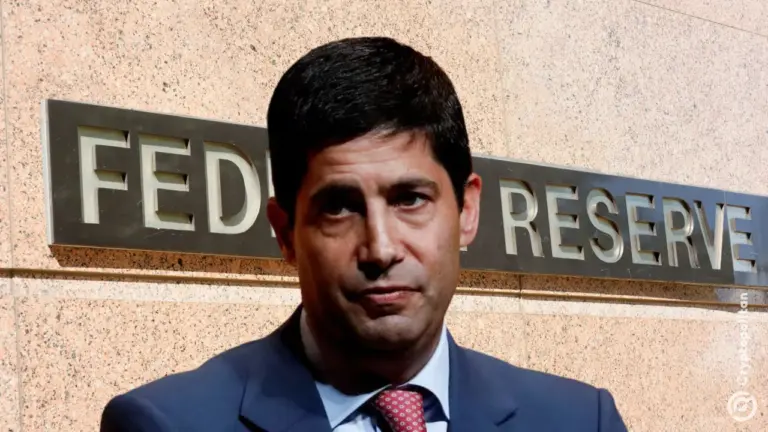
- Kevin Warsh sold at least $100 million in assets before taking over as Fed chair.
- Two promised sales were still missing from the new ethics certificate.
- Elizabeth Warren questioned whether his private funds could create conflicts under Fed rules.
Kevin Warsh has unloaded more than $100 million in investment holdings before taking the top job at the Federal Reserve, after his wealth and private assets became a major issue during his confirmation fight.
According to an ethics filing made on May 16, the Office of Government Ethics provided him with a certificate of divestiture after he sold significant portions of investments, of which the public does not have knowledge of all the underlying investments.
There were two unreported holdings worth from $250,000 to $500,000, which were not included in the certificate of divestiture of Kevin.
According to Kevin’s nomination papers, he has assets worth at least $192 million, although the figure may be more due to the wide dollar ranges used in the forms. Kevin informed Congress that he could not disclose certain fund information due to confidentiality agreements.
Senator Warren had pushed Kevin Warsh for answers on his hidden assets
Elizabeth Warren, the top Democrat on the Senate Banking Committee, made Kevin’s financial disclosures a central issue during the confirmation process.
She questioned whether his private investments had any ties to President Donald Trump, Jeffrey Epstein, or firms caught up in criminal cases.
Elizabeth also raised concerns over whether any of his funds may own shares in financial companies that Fed officials are not allowed to hold.
Elizabeth said the Ethics in Government Act of 1978 required Kevin to reveal his assets and income sources during the nomination process. She said those rules help ethics officers, lawmakers, and nominees spot possible conflicts early and fix them before the person takes office.
According to Elizabeth, the standard is even higher for people serving at the Federal Reserve, because Fed officials can influence interest rates, bank rules, liquidity, and financial markets.
Elizabeth also pointed to the Federal Reserve Act, which limits certain financial holdings for Fed officials.
She later asked Kevin to say who bought the assets and what sale terms were used, saying that she had already asked him for that information and did not get a meaningful answer.
After his confirmation as Fed chair, she asked again. “Now that you have been officially confirmed as the Chair of the Federal Reserve, I write to request an update on the status of your divestments and to once again request information on which entities or individuals you sold your assets to,” said Elizabeth.
Kevin and his wife also agreed to sell more assets within 90 days of his confirmation. That includes both disclosed and undisclosed holdings. Some of those sales already appear in the May 16 ethics certificate.
The biggest known sales came from two stakes in the Juggernaut Fund, a private investment vehicle managed through Stan Druckenmiller’s Duquesne Family Office. Each stake was valued at above $50 million. Kevin worked with Duquesne as an adviser from 2011 until this year. The two holdings that do not appear on the divestiture certificate are also connected to Duquesne.
Kevin takes over the Fed as crypto and stocks brace for tighter money
Kevin is stepping in as Fed chairman amid uncertainty about how he will affect interest rates, liquidity, and market sentiment.
Bitcoin, in particular, has been slammed each time there was a shift in Fed chair leadership. After Janet Yellen took over the Fed chair in 2014, Bitcoin saw an 83% decline. In 2018, when Jerome Powell was named Fed chair, Bitcoin fell 73%. The same happened again after Powell’s reappointment in 2022, as Bitcoin saw another 61% decline.
The crypto market enjoyed its biggest gains when the rate environment was accommodative, with cheap money supporting massive liquidity inflows. Traders had ample room to make speculative moves on blockchain initiatives, new tokens, and risky assets. Rising rates change that equation entirely. Speculative leverage becomes difficult to manage. Retail participation starts fading. Tokens relying on hype struggle to find takers.
The stock market has similarly suffered in periods of tightening by the Fed, with the S&P 500 (SPX) seeing a 20% crash during Powell’s first term as Fed chair. Following his reappointment, SPX declined further by 24%.
This could come quicker under a tougher Fed led by Kevin. Finance stocks, value stocks, and energy companies have performed relatively well in prior periods where rates were more important.
Don’t just read crypto news. Understand it. Subscribe to our newsletter. It's free.
Disclaimer. The information provided is not trading advice. Cryptopolitan.com holds no liability for any investments made based on the information provided on this page. We strongly recommend independent research and/or consultation with a qualified professional before making any investment decisions.

Jai Hamid
Jai Hamid has been covering crypto, stock markets, technology, the global economy, and the geopolitical events that affect markets for the past 6 years. She has worked with blockchain-focused publications including AMB Crypto, Coin Edition, and CryptoTale on market analyses, major companies, regulation, and macroeconomic trends. She has attended London School of Journalism and thrice shared crypto market insights on one of Africa’s top TV networks.









