



EU targets over 100 banks, crypto operators, oil vessels in latest Russia sanctions

- The EU adopted its 21st sanctions package against Russia on Thursday, freezing the Russian oil price cap at $44 for a year.
- The sanctions also blacklists banks, crypto operators, and dozens of shadow-fleet vessels.
- As the war in Ukraine enters its fifth year, this is the EU’s largest sanctions round in four years.
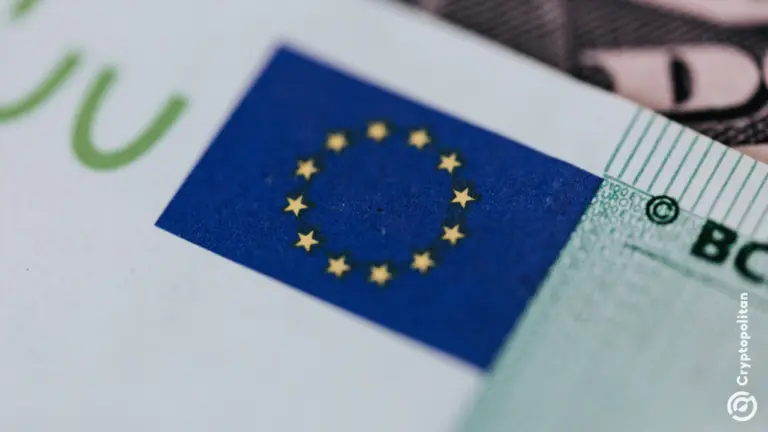
The European Union has approved its 21st sanctions package against Russia, freezing the price cap on Russian oil for a year and adding banks, crypto operators, and dozens of shadow-fleet tankers to its blacklist.
This is the largest set of sanctions the bloc has put in place since 2022, and they are directed at further isolating Russia.
EU expands bans on Russia
Following weeks of difficult talks among the 27 member states, the European Union has approved its 21st sanctions package against Russia. The new measures target banks, cryptocurrency operators, and oil tankers and are designed to stop Russia from getting around earlier restrictions.
European Commission President Ursula von der Leyen said the sanctions “continue to weaken the economic foundations of Russia’s war effort.” European Council President António Costa said the EU is focusing on “energy, financial services, crypto, and trade.”
The sanctions package hits 218 individuals and entities in total, including more than 100 banks and crypto operators. It also covers over 40 vessels from Russia’s so-called “shadow fleet” and several oil refineries.
The “shadow fleet” is a group of often old and poorly insured ships used to transport Russian oil in a way that hides where it is going. This is the first time the EU has directly targeted these vessels.
The new rules add 32 more Russian banks to the transaction ban list, meaning they will be cut off from SWIFT, the global system banks use to send payment instructions.
A key part of the package is freezing the price cap on Russian oil. The cap, which is set at $44, is the price EU companies are allowed to pay for shipping Russian oil. The price was supposed to go up to $58 a barrel, but the EU froze the cap at $44 for one year, stopping Russia from making more money from higher oil prices.
Von der Leyen said this is so that “the Russian war machine does not benefit from market shocks.”
For the first time, the package also takes a step towards banning Russian combatants from entering the EU.
Why did it take the EU so long to agree on the sanctions?
The approval for the sanctions took weeks of difficult talks because some member states were worried that the sanctions could harm their own economies more than Russia’s.
Greece, for instance, is a major player in shipping. It wanted to protect its companies that transport Russian liquefied natural gas (LNG), and so it blocked the deal until it got a special exemption.
Under the deal, Greece secured a one-year exemption that can be renewed automatically.
Bulgaria also blocked the sanctioning of the head of the Russian Orthodox Church, while other countries opposed bans on some fish imports.
Cryptopolitan reported that the EU’s 20th package in April banned all Russia-based crypto service providers, specifically the ruble-pegged stablecoin A7A5, along with another token, RUBx. Brussels also sanctioned two Kyrgyz banks accused of processing crypto-linked payments for Moscow.
A7A5 is a stablecoin issued by Kyrgyzstan-registered Old Vector and running on the Tron and Ethereum blockchains. It reportedly processed over $90 billion in 2025.
The smartest crypto minds already read our newsletter. Want in? Join them.
FAQs
What does the EU's 21st sanctions package target?
According to European Council President António Costa, it targets energy, financial services, crypto, and trade, and foreign policy chief Kaja Kallas said the package covers 218 individuals and entities in total, including more than 100 banks and crypto operators and over 40 shadow-fleet vessels.
Why did the EU freeze the Russian oil price cap?
The cap was scheduled to rise automatically from $44 to $58 a barrel on Thursday because of price increases tied to war in the Middle East, and the EU froze it for a year so that, in von der Leyen's words, "the Russian war machine does not benefit from market shocks."
Why did Greece receive an exemption?
The negotiating deadlock was broken only after Greece was granted an exemption allowing one of its shipping firms to keep transporting Russian liquefied natural gas from the Arctic.
Disclaimer. The information provided is not trading advice. Cryptopolitan.com holds no liability for any investments made based on the information provided on this page. We strongly recommend independent research and/or consultation with a qualified professional before making any investment decisions.

Hannah Collymore
Hannah is a writer and editor with nearly a decade of blog writing and event reporting experience in the crypto space. At Cryptopolitan, Hannah contributes to the news page, reporting and analyzing the latest developments in DeFi, RWA, crypto regulation, AI and frontier tech industries. She graduated from Arcadia university with a degree in Business Administration.









