





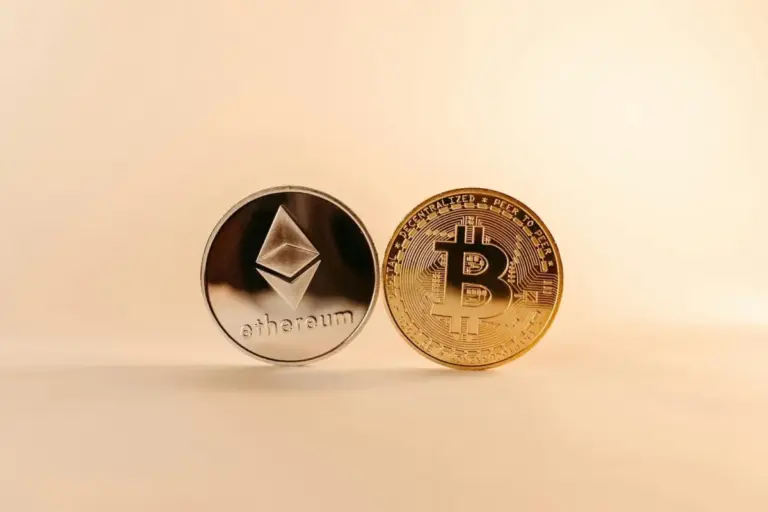
Ethereum has evolved into one of the most influential cryptocurrencies on the market. What began as a bold experiment in smart contracts has grown into the foundation for decentralized finance (DeFi), non-fungible tokens (NFTs), and Web3 applications. Its role in shaping blockchain innovation has made Ethereum more than just a digital asset; it’s become a bellwether for the industry.
At the same time, its price reflects numerous factors. Ethereum’s value is influenced by macroeconomic factors, investor sentiment, and broader trends across the crypto market. Understanding these drivers is critical for anyone interested in Ethereum price predictions. Whether you’re a long-term investor or simply curious, exploring where Ethereum may be headed can provide valuable insights.
If you’re seeking guidance on Ethereum’s future price prediction, Kraken offers a deeper look into expert forecasts and scenarios that could shape Ethereum’s future.
Ethereum Price Prediction: Key Factors to Watch
Ethereum is more than just a digital token. It’s the engine behind smart contracts, DeFi, and NFTs, which gives it a unique market role. Its price history has been marked by sharp rises and sudden dips, reflecting its sensitivity to both innovation and speculation.
Several elements play a role in shaping Ethereum’s trajectory. Market trends, such as Bitcoin’s influence, global regulations, and investor sentiment, can push prices higher or lower in the short term. Technological upgrades like the Merge, scalability improvements, and the upcoming Pectra upgrade directly affect user adoption and transaction costs. Finally, institutional adoption, ETF approvals, and the long-term growth of DeFi and Web3 are often highlighted as key drivers for Ethereum’s future potential.
How Market Trends Influence Ethereum Price
Ethereum often moves alongside Bitcoin, yet it carves out its own path through ecosystem growth. “Ethereum’s performance often mirrors Bitcoin’s momentum, but its ecosystem-driven use cases give it unique upside potential,” say industry analysts.
Market dynamics are heavily shaped by broader financial conditions: interest rates, regulations, inflation expectations, and institutional demand all play into price movement. For example, Ethereum dropped more than 5% when macroeconomic data triggered investor caution [Barron’s, 2023].
A growing sign of confidence is the steady increase in institutional involvement. Recent data shows corporate treasuries now hold nearly $3.5 billion in Ethereum, up from $116,000 in just a few years. This highlights how companies are beginning to see ETH as a strategic digital asset [VanEck, 2023]. This adoption could play a significant role in stabilizing price growth over time.
Ethereum’s Technological Advancements and Their Impact
The shift to proof-of-stake (ETH 2.0) was a big moment. Ethereum’s Merge switch drastically reduced energy use. This set the stage for the next wave of upgrades, such as enhanced scalability and lower transaction fees. The upcoming Pectra upgrade could further boost network efficiency and adoption.
For example, after the Merge, transaction fees dropped significantly, making Ethereum more attractive for developers and users alike. These kinds of improvements continue to fuel demand across decentralized apps and financial protocols.
Ethereum Price Prediction Scenarios for Investors
Price forecasts are never guarantees, but they can provide useful frameworks for thinking about risk and opportunity. Investors often look at short-term volatility, mid-term adoption trends, and long-term technological positioning when considering Ethereum’s outlook. By viewing the market through different time horizons, it’s easier to see how factors like regulation, institutional demand, and DeFi expansion might shape Ethereum’s journey.
Here’s how the picture may unfold across different time horizons:
- Short-term (3–6 months): High volatility driven by market mood, global economic shifts, and news cycles.
- Mid-term (1–2 years): Growth tied to DeFi maturation, institutional ETF adoption, and regulatory clarity.
- Long-term (5+ years): Ethereum may become a bedrock for Web3, powering trustless apps and digital finance infrastructure.
What It Means for Ethereum’s Future
Ethereum’s price is shaped by a web of interconnected influences, from updates like ETH 2.0 to macroeconomic shifts. While short-term moves remain unpredictable, deeper adoption and technological progress could fuel substantial long-term growth. A balanced outlook, informed by both market sentiment and tech developments, can be a wise approach.
Keeping an eye on institutional activity, developer engagement, and upcoming upgrades will be critical for anyone considering Ethereum in their portfolio.
FAQ Section
Q1: What factors influence Ethereum price predictions?
Ethereum price predictions may be influenced by market demand, Bitcoin’s performance, institutional adoption, and regulatory changes.
Q2: How reliable are Ethereum price forecasts?
Forecasts may provide guidance but are not guaranteed, as the market is highly volatile and speculative.
Q3: Can Ethereum surpass Bitcoin in market value?
Some analysts suggest it may be possible due to Ethereum’s broader utility, though Bitcoin still dominates as a store of value.
Q4: Is Ethereum a good long-term investment?
Ethereum may have long-term potential due to its ecosystem, but risks remain high, and investors should diversify.
Disclaimer. This is a Corporate Press Release. Readers should do their own due diligence before taking any actions related to the promoted company or any of its affiliates or services. Cryptopolitan.com is not responsible, directly or indirectly, for any damage or loss caused or alleged to be caused by or in connection with the use of or reliance on any content, goods or services mentioned in the press release.

Cryptopolitan Media
A dedicated desk for curated insights and featured updates from our network of global industry partners.









