



Irán reduce el tráfico en el estrecho de Ormuz en un 97% para perjudicar la economía estadounidense a través de los precios del petróleo

-
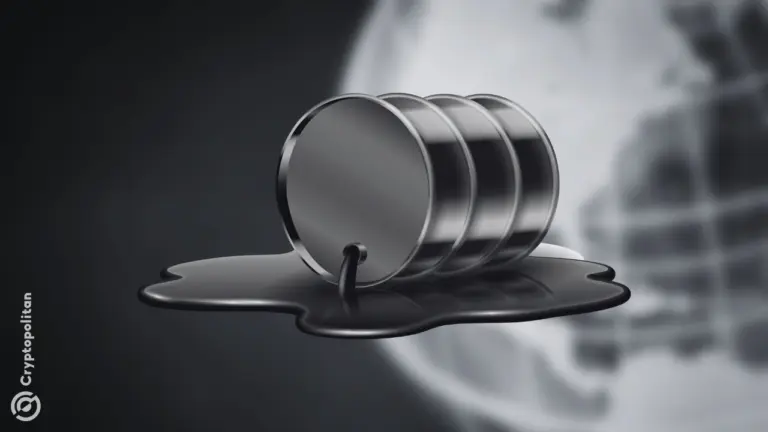
Irán ha reducido el tráfico en el estrecho de Ormuz en un 97% desde el 28 de febrero, afectando una ruta que transporta alrededor del 20% del petróleo y el gas natural licuado (GNL) mundiales.
-
Irán está utilizando misiles y drones en todo el Golfo Pérsico para interrumpir el transporte marítimo y aumentar la presión sobre la economía estadounidense a través de los precios del petróleo.
-
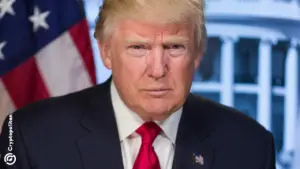
Donald Trump afirmó que la Armada estadounidense pronto escoltará a los buques cisterna a través del estrecho y advirtió que podría reconsiderar los límites a los ataques estadounidenses.
Irán está ejerciendo tanta presión sobre el estrecho de Ormuz que el tráfico de petroleros prácticamente ha desaparecido, transmitiendo el mensaje de que si se ataca al país que controla directamente la mayor parte del mercado petrolero, los precios mundiales serán los siguientes en verse afectados.
Desde que Israel y Estados Unidos iniciaron su guerra contra Irán el 28 de febrero, el tráfico a través del estrecho de Ormuz ha caído un 97%, según datos de las Naciones Unidas.
Como Cryptopolitan ha venido diciendo desde el principio, aproximadamente una quinta parte de todo el petróleo y el gas natural licuado del mundo normalmente se transporta a través de esa ruta, e Irán se encuentra en su costa norte.
Para ser justos, durante años hemos oído a Irán decir que si se viera envuelto en un conflicto mayor con Estados Unidos, inmediatamente atacaría el tráfico de petroleros en el estrecho. Históricamente, a estos tipos les ha encantado cumplir sus promesas. Bueno, al menos las malas.
Sin embargo, esta amenaza era importante porque el estrecho de Ormuz es un punto vulnerable para los rivales. Alrededor del 20% del petróleo y el gas natural licuado del mundo suele pasar por él.
Irán, situado en la costa norte, ha bloqueado de facto esa ruta. Teherán ha convertido el mayor activo económico del Golfo en su arma de presión más poderosa.
Irán extiende los ataques con misiles y drones por todo el Golfo
Esta no es la primera vez que Irán ejerce presión sobre el transporte marítimo en el Golfo. Recordemos los escalofriantes días de la guerra Irán-Irak de 1980 a 1988, cuando la tristemente célebre "Guerra de los Petroleros" convirtió la zona en la vía marítima más peligrosa del planeta… al menos durante un tiempo.
Los barcos fueron atacados, el tráfico comercial se vio amenazado y Washington terminó escoltando buques cisterna a través del estrecho.
Esa vieja táctica ha vuelto, pero esta versión es más cruel porque Irán ahora tiene mayor alcance y armas más baratas.
Este mes, Irán demostró su capacidad para bloquear el tráfico marítimo rápidamente sin depender en gran medida de las minas marinas. Ahora cuenta con grandes arsenales de misiles y drones de bajo costo que pueden amenazar la navegación en un área mucho más extensa. En lugar de concentrar sus fuerzas en un solo frente, Teherán ha extendido sus ataques por todo el Golfo con repetidos bombardeos de drones y misiles.
Este tipo de ataques son los que antes perpetraban grupos respaldados por Irán en Irak, Yemen, Siria y Líbano. Esta vez, Irán dirige la campaña directamente.
Este enfoque surge de una doctrina arraigada en la Guardia Revolucionaria Islámica. La idea es simple: si un enemigotronentra en guerra, probablemente intentará eliminar a sus líderes y desmantelar la estructura de mando de inmediato. Por lo tanto, la solución consiste en extender el combate, seguir atacando y aumentar las pérdidas también fuera del campo de batalla.
Tras años de conflicto encubierto con Estados Unidos, la Guardia Revolucionaria está aplicando directamente esas lecciones en lugar de depender principalmente de los aliados regionales que en su día sirvieron como primera línea de defensa de Irán.
Trump alega que está preparando escoltas navales en el Estrecho de Ormuz
El objetivo es provocar dificultades económicas tanto en Estados Unidos como en el extranjero y presionar a Donald Trump para que detenga la guerra. Los ataques estadounidenses no alcanzaron la infraestructura petrolera de la isla de Kharg, lo cual es importante porque Kharg es fundamental para las exportaciones de petróleo iraní.
Según declaraciones recogidas por IRNA, un alto funcionario provincial afirmó que las exportaciones desde la isla de Kharg continuaban con normalidad a pesar del ataque estadounidense.
Pero Trump también puso un límite. Escribió: «Si Irán, o cualquier otro país, hiciera algo para interferir con el paso libre y seguro de los barcos por el estrecho de Ormuz, reconsideraré inmediatamente esta decisión»
Ayer mismo, el Sr. Trump declaró a los periodistas que la Armada estadounidense comenzaría "pronto" a escoltar buques cisterna a través del estrecho de Ormuz, algo que, como el resto de esta guerra innecesaria, volverá a comprobar que es más fácil decirlo que hacerlo.
Por parte iraní, la presión no disminuye. Un portavoz del Ministerio de Defensa, citado por los medios estatales, afirmó que Irán incrementará el uso de armamento modernizado, especialmente misiles balísticos y otros misiles con mayor poder destructivo.
Mojtaba Khamenei, el líder supremo de Irán, que sucedió a su padre asesinado, ha dicho que la estratégica vía fluvial debe permanecer cerrada como herramienta de presión.
El viernes por la noche, antes de abordar el Air Force One rumbo a Florida, Trump declaró que la campaña militar duraría "el tiempo que fuera necesario". Al preguntársele cuánto duraría la guerra, respondió: "No puedo decírselo. Tengo mi propia opinión". Añadió: "No les daré una fecha, pero vamos muy adelantados".
Cuando los periodistas le preguntaron qué quería decir con “rendición incondicional”, Trump respondió: “Para mí significa muy simplemente que estamos en una posición de dominio que nadie ha visto antes, independientemente de que puedan o no pronunciar las palabras…”
En una publicación del sábado por la mañana en Truth Social, Trump dijo:
“Los medios de comunicación que difunden noticias falsas odian informar sobre el buen desempeño del ejército estadounidense contra Irán, que está totalmente derrotado y quiere un acuerdo, ¡pero no un acuerdo que yo aceptaría!”
Las mentes más brillantes del mundo de las criptomonedas ya leen nuestro boletín. ¿Te apuntas? ¡ Únete!
Aviso legal. La información proporcionada no constituye asesoramiento comercial. Cryptopolitanconsultar no se responsabiliza de las inversiones realizadas con base en la información proporcionada en esta página. Recomendamostronencarecidamente realizar una investigación independientedent un profesional cualificado antes de tomar cualquier decisión de inversión.

Jai Hamid
Jai Hamid lleva seis años cubriendo temas de criptomonedas, mercados bursátiles, tecnología, economía global y eventos geopolíticos que afectan a los mercados. Ha colaborado con publicaciones especializadas en blockchain, como AMB Crypto, Coin Edition y CryptoTale, en análisis de mercado, grandes empresas, regulación y tendencias macroeconómicas. Estudió en la London School of Journalism y ha compartido en tres ocasiones sus perspectivas sobre el mercado de criptomonedas en una de las principales cadenas de televisión de África.









