



El Salvador plans to ramp up Bitcoin purchases next year for its strategic reserve

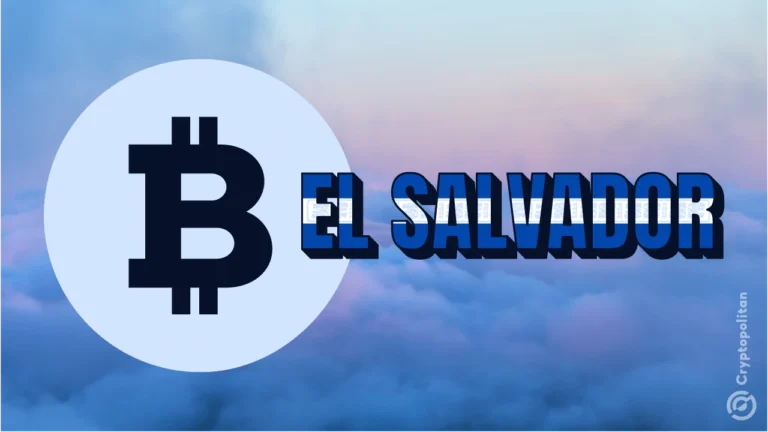
- El Salvador is doubling down on Bitcoin by ramping up purchases for its national reserve next year, despite IMF-imposed policy changes.
- The government plans to retire or sell the Chivo wallet, its official Bitcoin wallet, as part of reforms tied to a $1.4 billion IMF loan deal.
- Bitcoin remains legal tender in El Salvador, but new laws will make its use voluntary for private businesses and limit government involvement in crypto transactions.
El Salvador has announced plans to increase Bitcoin purchases for its national reserve starting next year. This comes just after the country secured a $1.4 billion loan agreement with the International Monetary Fund (IMF).
The deal forces El Salvador to scale back its Bitcoin policies, but the administration isn’t backing down on its commitment to the cryptocurrency.
The Chivo wallet, the country’s official Bitcoin wallet, will either be sold or retired as part of the reforms tied to the IMF agreement. Stacy Herbert, Director of the National Bitcoin Office, confirmed the decision, saying, “Bitcoin isn’t going anywhere, and neither are we.”
IMF wants change, but Bitcoin stays
Now this loan is a big deal for El Salvador’s struggling economy, even if it comes with a few strings attached. Private businesses will now have the choice of whether to accept Bitcoin, and the government’s involvement in crypto-related activities will be tightly restricted.
“The potential risks of the Bitcoin project will be significantly reduced,” the IMF said in its statement.
“For the public sector, engagement in Bitcoin-related economic activities and transactions in and purchases of Bitcoin will be confined. Taxes will only be paid in U.S. dollars and the government’s participation in the crypto e-wallet (Chivo) will be gradually unwound.”
The deal is still pending approval from the IMF’s executive board. This is a stark departure from President Nayib Bukele’s bold approach. In 2021, El Salvador became the first country in the world to adopt Bitcoin as legal tender.
Bukele’s gamble on Bitcoin, which included using public funds to buy the asset and promote it to the population, got him sharp criticism from the IMF and other financial institutions.
But he isn’t backing down. He took a victory lap to celebrate Bitcoin’s price rally past $100,000 last month, saying, “I TOLD YOU SO.”
At press time, Bitcoin was worth around $100,300, and El Salvador’s holdings are now worth more than $620 million.
If you're reading this, you’re already ahead. Stay there with our newsletter.
Disclaimer. The information provided is not trading advice. Cryptopolitan.com holds no liability for any investments made based on the information provided on this page. We strongly recommend independent research and/or consultation with a qualified professional before making any investment decisions.

Jai Hamid
Jai Hamid has been covering crypto, stock markets, technology, the global economy, and the geopolitical events that affect markets for the past 6 years. She has worked with blockchain-focused publications including AMB Crypto, Coin Edition, and CryptoTale on market analyses, major companies, regulation, and macroeconomic trends. She has attended London School of Journalism and thrice shared crypto market insights on one of Africa’s top TV networks.









