


- China’s economy grew just 4.5% in the last quarter of 2025, its slowest pace in three years.
- Strong exports, especially outside the U.S., helped offset weak domestic spending.
- Slow consumer activity and low investment create economic risks, and growth may slow further in 2026.
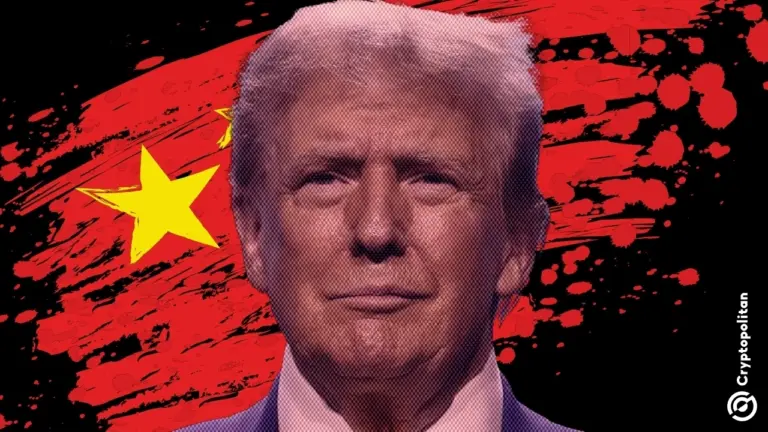
China’s economy slowed to its weakest pace in three years as Donald Trump’s trade war highlighted the country’s heavy reliance on Western markets. Although the tariffs have since been lifted, major sectors are losing momentum.
China is one of the world’s biggest economies, but its gross domestic product softened to about 4.5% in the last quarter of 2025, the slowest in three years. The full-year growth was projected at 5%, matching Beijing’s target.
Even at a slower rate, China’s economy delivered results far better than some anticipated at the beginning of 2025. But sluggish growth reveals that China still has spending issues, particularly at home.
Those issues make it more difficult for families and businesses to succeed. Growth appears weaker in part because many factories and stores are under pressure due to weak domestic spending, even as sales abroad are strong. That means that while China sells a lot to other countries, people inside the country are not buying as much as previously.
Strong exports offset weak consumer activity at home
One of the biggest sources of strength for the Chinese economy in 2025 was exports. China set a record trade surplus of nearly $1.2 trillion last year. A trade surplus means the country sold more to other countries than it bought from them.
This occurred even though Chinese exports to the United States fell by about 20% due to higher U.S. trade tariffs under President Donald Trump. But China made up for this by selling more to countries such as Africa, Southeast Asia, Europe, and Latin America.
Exports have been key to helping China reach its 2025 growth target. But domestic spending did not grow much. Consumers didn’t buy as much in stores, and many businesses didn’t build new factories or houses.
Since people are not spending more, the prices of many goods and services in China have remained the same or even fallen, leading to deflation. When people anticipate that prices will fall later, they may postpone spending, which slows economic growth.
On top of that, investment has been weak. Some forecasts indicate that fixed-asset investment, one of the largest parts of economic activity, fell or grew only slightly in 2025. These weak trends make it clear that the economy is unbalanced – exports are strong, but consumption and investment at home are slow.
China faces a tougher road ahead
Given these patterns, strong exports and weak domestic spending, many experts believe China will have to adjust its economic growth strategy. Leaders in Beijing have stated they want individuals to consume more goods and services domestically and depend less on exports. They are also trying to figure out how to promote company jobs and give people more freedom to spend.
One idea is to lower interest rates so it is easier for businesses and families to borrow from banks. This could encourage individuals to purchase homes, start businesses, and spend more. China’s central bank has begun cutting some rates to help core industries like technology and agriculture, and could further boost the economy. Yet there are still dangers ahead. Growth is likely to slow further in 2026 to about 4.5%, and experts say that if exports slow, China will have to rely on other policies – including government spending – to promote the economy.
Slow domestic spending, coupled with persistent deflation, also means China will need to make significant efforts to turn its economy around and put it on an upward trajectory. As a result, Chinese families and workers may expect fewer new jobs than before and slower income growth unless consumer confidence improves. Stores, eateries, and small businesses may still suffer if people continue to save rather than spend. Meanwhile, strong exports will remain a key factor in keeping the economy going.
If you're reading this, you’re already ahead. Stay there with our newsletter.
Disclaimer. The information provided is not trading advice. Cryptopolitan.com holds no liability for any investments made based on the information provided on this page. We strongly recommend independent research and/or consultation with a qualified professional before making any investment decisions.

Nellius Irene
Nellius is a Business Management and IT graduate with five years of experience in the cryptocurrency industry. She is also a graduate of Bitcoin Dada. Nellius has contributed to leading media publications, including BanklessTimes, Cryptobasic, and Riseup Media.