





Coinbase’s Brian Armstrong seeks lawmakers’ backing to keep crypto incentive programs


- Brian Armstrong stopped a Senate vote by opposing a bill that could ban stablecoin rewards.
- He warned that bank lobbyists were trying to block crypto rewards to protect their deposits.
- Lawmakers planned to vote on an amendment to fully ban all forms of stablecoin incentives.
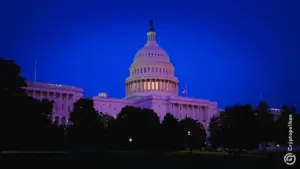
Brian Armstrong showed up at the Capitol on Thursday to stop what he saw as a direct hit on Coinbase’s business. His goal was clear: keep the company’s stablecoin rewards alive.
Brian walked the halls himself, not sending anyone else, because a Senate committee was about to vote on a bill that could block the company from paying users rewards for holding stablecoins.
A day earlier, Brian had posted online slamming the bill. Within hours, Senate Banking Chair Tim Scott pulled it from the agenda. That single post stalled a bill that had been in the works for years.
Speaking to reporters, the Coinbase CEO said the company had several issues with the bill, but said “maybe the biggest” one was how bank lobbyists were trying to slip in rules that would shut down reward programs and make crypto platforms less competitive with banks.
Bankers pressure senators as Trump’s crypto law boosts stablecoin growth
Brian said it made no sense to keep pushing the bill forward when amendments were being considered that would kill reward payouts completely. He said he wanted lawmakers to go back and write something more balanced.
Stablecoins, which are tied to the dollar, have become a major business for companies like Coinbase. They’ve grown fast, especially after the GENIUS Act, signed into law by President Donald Trump last year, started rolling out. These rewards are profitable, and people like them. But banks don’t.
Bankers and their lobbyists have been hammering senators from both parties, asking them to ban rewards that look like interest. Their fear is simple: customers will yank their money out of banks that pay close to zero and move it into stablecoins that actually give returns.
If that happens, banks lose deposits. That hits their ability to give loans, especially to small businesses using local lenders.
One draft of the bill tried to compromise by banning yield but allowing other kinds of rewards, like ones tied to spending. But some senators weren’t having it. They were ready to vote on a full ban of all stablecoin rewards, not just yield. Brian didn’t want to sit back and watch.
The crypto industry was the biggest corporate donor in the 2023-2024 election cycle. Coinbase gave $1 million to Trump’s inauguration and is helping fund his White House ballroom project.
The smartest crypto minds already read our newsletter. Want in? Join them.
Disclaimer. The information provided is not trading advice. Cryptopolitan.com holds no liability for any investments made based on the information provided on this page. We strongly recommend independent research and/or consultation with a qualified professional before making any investment decisions.

Jai Hamid
Jai Hamid has been covering crypto, stock markets, technology, the global economy, and the geopolitical events that affect markets for the past 6 years. She has worked with blockchain-focused publications including AMB Crypto, Coin Edition, and CryptoTale on market analyses, major companies, regulation, and macroeconomic trends. She has attended London School of Journalism and thrice shared crypto market insights on one of Africa’s top TV networks.









