




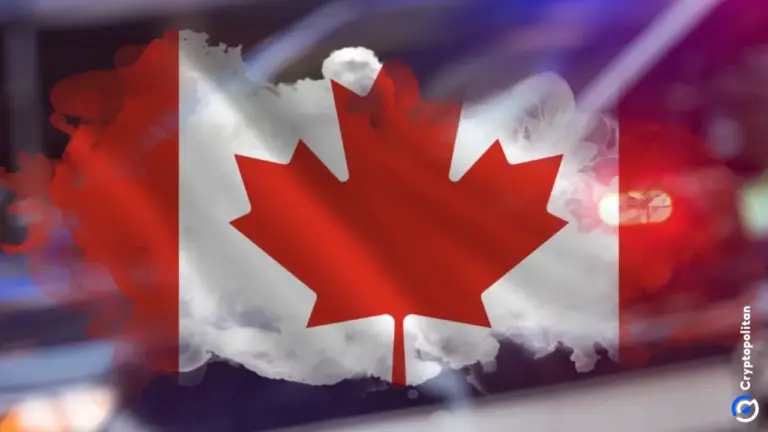
- The Bank of Canada cut interest rates to 2.5% due to job losses and weak exports caused by US tariffs.
- Governor Tiff Macklem gave no guidance on future rate cuts but said inflation risks have eased.
- Over 106,000 jobs were lost in July and August, mostly in trade-exposed sectors.
The Bank of Canada lowered its overnight rate to 2.5% on Wednesday, responding to mounting economic damage from US tariffs and a slowdown in hiring. The quarter-point cut was the first since March and met predictions from markets and economists.
Governor Tiff Macklem, speaking in Ottawa, said the decision was unanimous. “With a weaker economy and less upside risk to inflation, Governing Council judged that a reduction in the policy rate was appropriate to better balance the risks going forward,” Tiff said.
He confirmed there was “clear consensus” among policymakers to move ahead with easing, but refused to give any signals on future cuts.
The central bank is reacting to worsening labor market data and a noticeable drop in exports and investment. Policymakers reported that Canada lost more than 106,000 jobs in July and August, mostly in sectors sensitive to global trade.
Hiring has also slowed elsewhere. Unemployment now stands at 7.1%. Officials said these conditions—combined with the effects of US trade policy—created the need for rate relief.
Bank holds back forward guidance, watches trade and inflation mix
Tiff didn’t offer guidance about what happens next, walking back language from the July meeting that had left the door open to more cuts. He explained the bank would be “proceeding carefully,” and warned that “the disruptive effects of shifts in trade will continue to add to costs even as they weigh on economic activity.”
The economy shrank by 1.6% on an annualized basis in the second quarter, matching the bank’s expectations. The decline came mostly from reduced exports and weak business investment. Tiff said consumption and housing were still holding up, but warned that “slow population growth and labor market weakness” could soon hit household spending.
On tariffs, Tiff was direct: “Tariffs are having a profound effect on several key sectors, including the auto, steel, and aluminum sectors.” He also mentioned that Prime Minister Mark Carney had recently removed retaliatory tariffs on certain US goods, which took away one possible driver of inflation. But the central bank doesn’t believe that’s enough to undo the broader hit coming from global protectionism.
The bank’s preferred core inflation measures—the trim and median indexes—are running close to 3%, but Tiff said upward momentum in those numbers has “dissipated.” Wage growth is also cooling. “Recent data suggest the upward pressures on underlying inflation have diminished,” he added. The bank now sees underlying inflation trending closer to 2.5%.
No word on money market stress as Canada joins EU defense talks
Despite volatility in money markets, the Bank of Canada avoided mentioning funding pressures, even though the Canadian Overnight Repo Rate Average (Corra) has traded 5 basis points above the policy rate through most of September. The deposit rate was set at 2.45%, which remains 5 basis points under the target rate.
At the same time, Canada is deepening military ties with Europe. The European Union gave the go-ahead on Wednesday to begin negotiations with both Canada and the UK for access to the EU’s €150 billion SAFE fund, meant to boost defense investment. The news came from the European Council, which is currently led by Denmark.
If approved, the deal will let Canadian companies take part in joint defense procurements funded by SAFE (Security Action for Europe). This move would expand existing security partnerships between Canada and the EU. The SAFE fund was launched after Russia’s 2022 invasion of Ukraine and aims to strengthen Europe’s defense posture, especially with concerns about President Donald Trump’s stance on NATO.
Right now, only companies from EU nations have full access, though Ukraine gets special treatment. Other non-EU nations, including Albania, Turkey, and South Korea, are also trying to join. Albania’s Prime Minister Edi Rama met with NATO Secretary General Mark Rutte in Brussels on Wednesday to discuss participation.
If you're reading this, you’re already ahead. Stay there with our newsletter.
Disclaimer. The information provided is not trading advice. Cryptopolitan.com holds no liability for any investments made based on the information provided on this page. We strongly recommend independent research and/or consultation with a qualified professional before making any investment decisions.

Jai Hamid
Jai Hamid has been covering crypto, stock markets, technology, the global economy, and the geopolitical events that affect markets for the past 6 years. She has worked with blockchain-focused publications including AMB Crypto, Coin Edition, and CryptoTale on market analyses, major companies, regulation, and macroeconomic trends. She has attended London School of Journalism and thrice shared crypto market insights on one of Africa’s top TV networks.









