





- Apple is building Apple Reference Image, a tool that verifies if a photo was captured by an iPhone camera sensor.
- Authentication runs through Private Cloud Compute, which checks sensor signatures and hardware identifiers.
- The feature is not yet live and may not ship when iOS 27 launches this fall.
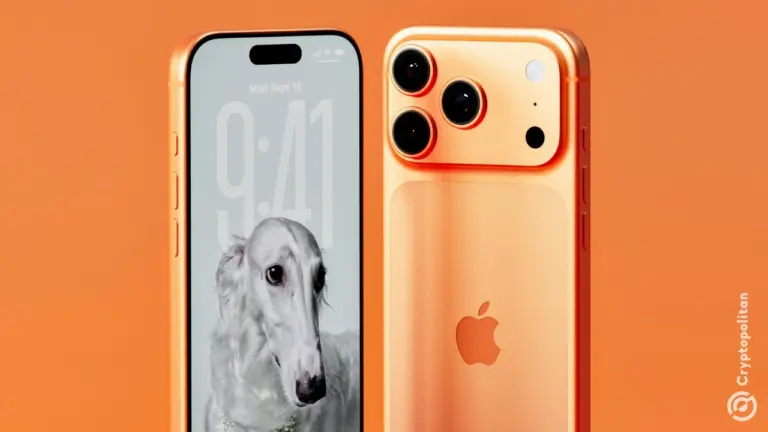
Buried in the code of Apple’s iOS 27 beta 5 is a reference to something called Apple Reference Image. The system could let iPhone owners prove that a photo came from their phone’s camera, not an AI image generator.
The references surfaced on August 10; however, this feature is turned off in the current beta.
Apple certifies real photos
The tech industry has been tagging synthetic content for two years. Google’s SynthID embeds invisible watermarks in AI-generated pictures. OpenAI has also adopted the same technology for its AI-generated pictures. Meta is adding AI tags to Facebook, Instagram, and Threads.
Apple also watermarks images it generates, including output from Image Playground. The Reference Image feature links a photo back to the physical camera sensor that took it. That provides proof that a real lens made the frame.
The feature is disabled by default. A user would go to Settings, Camera, and Reference Image and toggle on Reference Mode. Authentication only works for shots taken in a dedicated Reference Mode in the Camera app. Pictures taken in the usual way have no provenance data.
In Reference Mode, the owner taps a Reference badge after capturing a picture. That sends sensor signatures, the capture time frame, and the sensor’s unique hardware identifiers to Apple’s Private Cloud Compute servers.
The servers judge whether the sensor took the picture, assign a unique ID to the photo, and send back an authenticated copy to the device.
iOS 27 beta 5 shows that Apple is working on “Apple Reference Image”, a new Camera feature for authenticating the source of photos.
When enabled, Reference mode embeds provenance information that can be used to verify the camera sensor that captured a photo. Authentication is… pic.twitter.com/M03XmfQgxb
— Aaron (@aaronp613) August 11, 2026
Apple can revoke a sensor’s past authentications
Apple designed the process so that its servers never see the raw photo. During verification, the company receives sensor data, a hash, and the assessment result. Only selected sensor information and metadata are sent to Private Cloud Compute.
Apple can refuse to verify photos from a sensor it believes has been tampered with. It can retroactively invalidate a sensor’s previous authentications.
An authenticated photo shared with another Apple device can be verified locally, without Apple knowing which pictures someone is looking at.
Apple is adding a “Transfer with Provenance” option for USB exports to a Mac or PC. A broader “All Photos Data” share may include hardware identifiers and any uncropped footage.
Mentions of “photos or videos” and “uncropped footage” hint at video authentication possibly coming next. The concept is similar to C2PA Content Credentials. That standard is already used by Leica, Sony, and Nikon, and Google adopted it for the Pixel 10 line.
The code is in an active beta, and the Reference Image feature may not make the cut when iOS 27 ships to the public this fall.
The smartest crypto minds already read our newsletter. Want in? Join them.
FAQs
What is Apple Reference Image?
It is a photo provenance system referenced in iOS 27 beta 5 that authenticates whether an image was captured by an iPhone camera.
Does Apple see my photo when it authenticates it?
No. Apple's servers receive sensor data, a hash, and the assessment result during verification.
Will Reference Image be in the public version of iOS 27?
Not necessarily. The feature appears only in an active beta and is off by default, so it may not be included in iOS 27.
Disclaimer. The information provided is not trading advice. Cryptopolitan.com holds no liability for any investments made based on the information provided on this page. We strongly recommend independent research and/or consultation with a qualified professional before making any investment decisions.

Randa Moses
Randa Moses is an editor and reporter at Cryptopolitan covering tech, AI, robotics, crypto, scams, and hacks. She has worked in the crypto space since 2017. She held roles at Forward Protocol, AmaZix, and Cryptosomniac. Randa holds a degree in Electrical and Electronics Engineering from the University of Bradford.









