







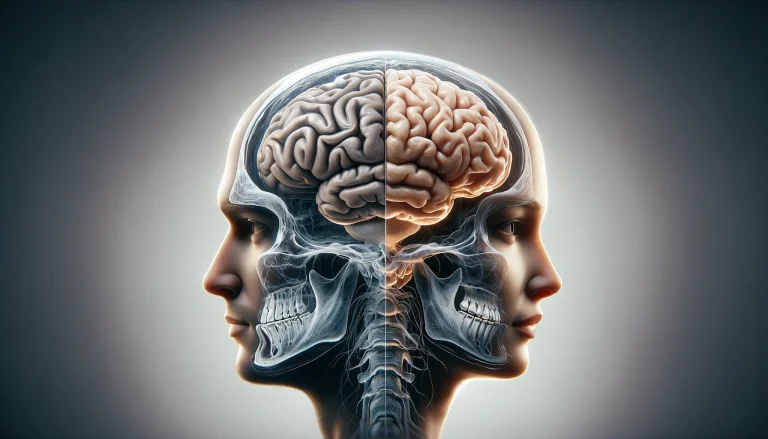
- Stanford Medicine researchers developed an AI model that accurately identifies sex-based differences in brain scans over 90% of the time.
- The study highlights the importance of understanding sex differences in the brain for addressing neuropsychiatric conditions.
- The AI’s findings and predictive models open new avenues for personalized medicine and research into cognitive abilities and disorders.
According to a study from Stanford Medicine, researchers have developed an artificial intelligence (AI) model that can discern between male and female brain scans with over 90% accuracy. This innovation not only sheds light on the long-standing debate over the existence of sex differences in the human brain but also underscores the importance of these differences in understanding neuropsychiatric conditions that disproportionately affect men and women.
Unveiling brain differences with advanced AI
The study, soon to be published in the Proceedings of the National Academy of Sciences, marks a significant step forward in neuroscience. The research team crafted a deep neural network capable of analyzing dynamic MRI scans by harnessing recent advances in AI technology and leveraging extensive datasets. This model adeptly identifies subtle patterns in brain activity, which vary between sexes, achieving unprecedented accuracy in its classifications.
This AI’s ability to differentiate between male and female brains with such high success rates suggests that detectable sex differences in brain structure and function exist despite previous studies’ inability to consistently identify them. The research was conducted under the guidance of Vinod Menon, PhD, a professor of psychiatry and behavioral sciences, with significant contributions from senior research scientist Srikanth Ryali, PhD, and academic staff researcher Yuan Zhang, PhD.
Implications and applications of the findings
The study’s findings go beyond merely distinguishing between male and female brains; they pave the way for a deeper understanding of how sex differences can influence cognitive abilities and behavioral outcomes. By applying “explainable AI,” the researchers could pinpoint specific brain networks—such as the default mode network, striatum, and limbic system—that were instrumental in the AI’s decision-making process.
Moreover, the team ventured into predictive modeling, developing sex-specific models that could anticipate participants’ cognitive performance based on their brain scans. These models were remarkably successful, indicating that the functional differences in brain activity between sexes have tangible implications for behavior and cognitive abilities.
This discovery is crucial for the future of medical research and treatment, particularly in addressing neuropsychiatric disorders that exhibit sex-specific prevalence or symptoms. By acknowledging and understanding these differences, medical professionals can tailor interventions and treatments more effectively, potentially leading to better patient outcomes.
A new horizon for neuroscience research
The implications of this study extend far beyond the immediate findings. Vinod Menon and his team plan to make their AI model publicly available, offering a valuable tool for researchers worldwide to explore various aspects of brain connectivity and its impact on cognitive functions and behaviors. This move is expected to catalyze further research in the field, with potential applications ranging from learning impairments to social functioning differences.
The Stanford Medicine study represents a landmark achievement in neuroscience, providing robust evidence of sex-based differences in brain activity and opening new avenues for personalized medicine. By integrating advanced AI models with neuroscience, researchers are moving closer to unraveling the complex interplay between brain structure, function, and individual differences to enhance human health and well-being.
The smartest crypto minds already read our newsletter. Want in? Join them.
Disclaimer. The information provided is not trading advice. Cryptopolitan.com holds no liability for any investments made based on the information provided on this page. We strongly recommend independent research and/or consultation with a qualified professional before making any investment decisions.

Brenda Kanana
Brenda has been with 4+ years of experience specializing in cryptocurrency, artificial intelligence, and emerging technologies. She has worked at Zycrypto, Blockchain Reporter, The Coin Republic, and now, makes Cryptopolitan her home. Her Sociology degree from Mombasa Technical University keeps her aligned with her readers’ pulse.









