Why This IOT Crypto Could Break $50 Before 2026, XRP and Helium Takes A Back Seat For Altcoin Alternatives



The Internet of Things (IoT) revolution is reshaping crypto, and one project is leaving the competition in the dust.
While XRP struggles with regulatory hurdles and Helium’s price languishes below $5, Coldware ($COLD) is positioning itself for a potential surge to $50 before 2026.
What’s driving this ambitious target? Coldware’s unique blend of IoT hardware integration, real-world utility, and growing institutional interest has analysts eyeing a market cap that could rival established players like BNB.
As the IoT market expands toward its projected $1.5 trillion valuation, Coldware’s hardware-first approach could capture a significant slice of this explosive growth.

Coldware is Building Crypto You Can Actually Touch
Most Web3 projects are all talk, but Coldware is actually shipping real products. They’ve built their own blockchain and are putting out physical hardware that regular people can use without needing a computer science degree.
Their main products are the Larna 2400 smartphone and ColdBook laptop, and here’s what makes them different: they work as lite nodes on the Coldware network right out of the box. You can stake tokens, send crypto, use DeFi apps, and even create your own tokens without downloading anything extra or figuring out complicated setups.
This approach makes sense, especially in markets where smartphones are how most people access the internet. Instead of forcing users to jump through technical hoops, Coldware is removing the barriers that keep people away from crypto in the first place. Whether it’ll catch on remains to be seen, but at least they’re tackling real problems instead of just talking about them.
XRP and Helium: Yesterday’s Promises, Today’s Challenges
XRP and Helium were once hailed as revolutionary, but both face significant headwinds in 2025.
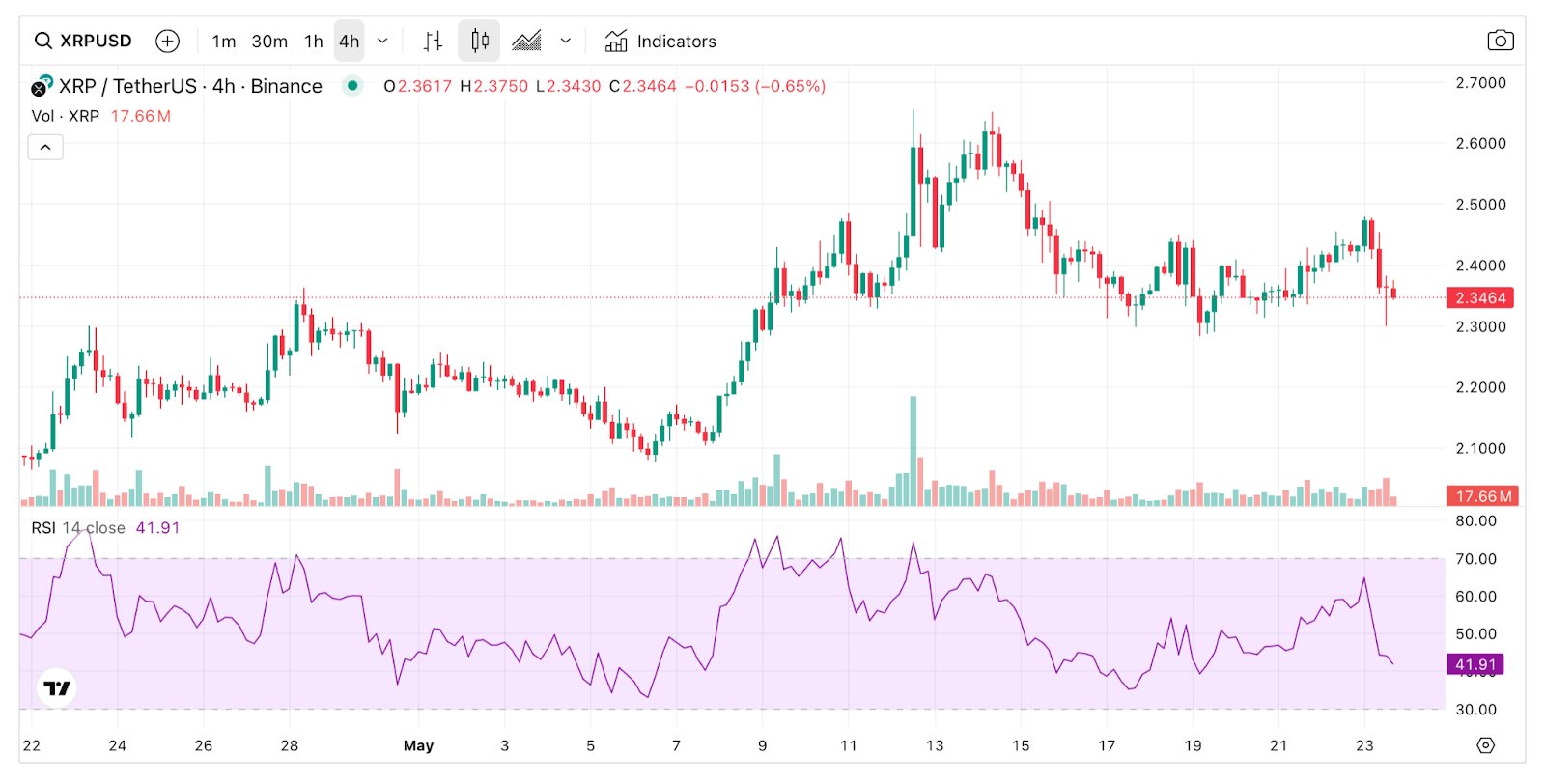
XRP continues its legal battles, with price predictions from Changelly suggesting fluctuations between $2.04 and $2.29 by October—far from the $50 mark some enthusiasts once predicted. Despite its cross-border payment utility, XRP‘s centralized structure and regulatory scrutiny limit its appeal in an increasingly decentralized landscape.
Helium’s story is even more sobering. Once the darling of the IoT crypto space, HNT has struggled to maintain momentum.
CCN’s analysis suggests a potential drop from $4.10 to $0.96 by year-end, while its IoT token (IOT) trades at a mere fraction of a cent. Despite building the world’s largest decentralized wireless network, Helium has failed to translate infrastructure into sustainable value.

Both projects highlight a common problem in crypto: building impressive technology doesn’t guarantee market success. Without tangible utility and mainstream adoption, even the most innovative protocols can stagnate.
Wrapping Up — Coldware May Be The Next Crypto Giant Hiding in Plain Sight
XRP and Helium both made important contributions to blockchain—XRP with payments and Helium with decentralized networks. But they’re still dealing with adoption challenges that have held back the whole industry.
Coldware is trying something different by actually putting blockchain functionality into hardware people want to use. Instead of asking users to adapt to crypto, they’re making crypto adapt to how people already live and work.
The investment case is pretty straightforward: real products, practical use cases, and growing interest from institutions.
While other projects are still fighting regulatory battles or trying to prove their concept works, Coldware is shipping devices and building an ecosystem around them.
For more information:
Website: Coldware (COLD)
Telegram: https://t.me/coldwarenetwork
Disclaimer. This is a Corporate Press Release. Readers should do their own due diligence before taking any actions related to the promoted company or any of its affiliates or services. Cryptopolitan.com is not responsible, directly or indirectly, for any damage or loss caused or alleged to be caused by or in connection with the use of or reliance on any content, goods or services mentioned in the press release.
Cryptopolitan Media
A dedicated desk for curated insights and featured updates from our network of global industry partners.