






UN cybercrime treaty to be signed in Hanoi aimed to end the Southeast Asia scam compound

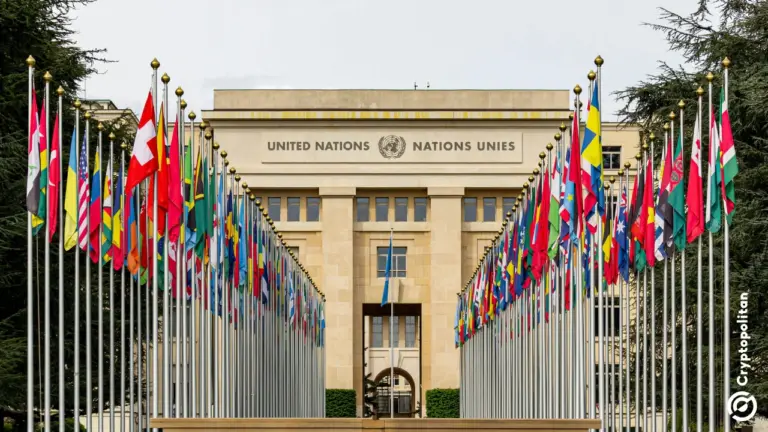
- Approximately 60 countries are set to execute a significant UN cybercrime treaty in Hanoi, Vietnam, this weekend.
- The European Union, the United States, and Canada sent diplomats and officials to sign the treaty in Hanoi.
- The Cybersecurity Tech Accord, which includes Meta and Microsoft, states that the initiative may facilitate data sharing among governments.
Approximately 60 countries are set to execute a significant UN cybercrime treaty in Hanoi, Vietnam, this weekend. The treaty states that the goal is to combat crimes that cost the world economy trillions of dollars every year.
According to the UN, the Cybercrime Convention is a powerful, legally binding instrument to strengthen our collective defenses against cybercrime. The convention is expected to take effect after 40 nations ratify it.
“Cyberspace has become fertile ground for criminals […] Every day, sophisticated scams defraud families, steal livelihoods, and drain billions of dollars from our economies,” U.N. Secretary-General Antonio Guterres said at the opening ceremony.
Tech giants dubbed the pact a “surveillance treaty”
The UN has stated that the convention targets a broad spectrum of offences from phishing and ransomware to online trafficking and hate speech.
Additionally, the UN Office on Drugs and Crime (UNODC), which led the treaty negotiations, said the agreement includes provisions to protect human rights and promote legitimate research activities.
However, the UN’s High Commissioner for Human Rights warned during treaty negotiations that “laws with overly broad definitions of cybercrime are frequently used to impose undue restrictions on the right to freedom of expression.”
Similarly, tech giants are not embracing the initiative. The Cybersecurity Tech Accord, which includes Meta and Microsoft, has dubbed the pact a “surveillance treaty.” According to them, the initiative may facilitate data sharing among governments and criminalize ethical hackers who test systems for vulnerabilities.
On the other hand, Vietnam President Luong Cuong said, the signing of the convention “not only marks the birth of a global legal instrument, but also affirms the enduring vitality of multilateralism, where countries overcome differences and are willing to shoulder responsibilities together for the common interests of peace, security, stability and development.”
Also, the European Union, the United States, and Canada sent diplomats and officials to sign the treaty in Hanoi.
UN cybercrime Hanoi treaty to majorly combat cybercrimes in Southeast Asia
According to the Global Anti-Scam Alliance (GASA), 63% of Southeast Asians surveyed reported experiencing a scam in the past 12 months, resulting in an estimated $23.6 billion in losses for those affected.
This represents a $19 billion increase in losses from $18 billion to $37 billion in 2023. Crime syndicates in the region are using technologies such as AI, deepfakes, and underground banking to scale their operations.
In the US, the story isn’t any different. According to data from the FBI’s Internet Crime Complaint Center (IC3), global cybercrime reached record levels in 2024, with financial losses soaring to $16.6 billion. This was a sharp 33% increase from 2023, when reported losses stood at about $12.5 billion.
The FBI report revealed that investment fraud was the most expensive form of cybercrime last year, resulting in over $6.5 billion in losses. Closely following were business email compromise (BEC) attacks, which siphoned an estimated $2.7 billion from individuals and corporations worldwide.
Tech-support scams and personal-data breaches also featured prominently. In today’s digital age, scammers continue to exploit both technological gaps and human error on a massive scale.
Experts say the figures likely represent only a fraction of the real impact, as many victims never report cyber incidents. In fact, according to a survey conducted by the Global Anti-Scam Alliance, 57% of those affected say they didn’t bother because they assumed nothing would be done.
If you're reading this, you’re already ahead. Stay there with our newsletter.
Disclaimer. The information provided is not trading advice. Cryptopolitan.com holds no liability for any investments made based on the information provided on this page. We strongly recommend independent research and/or consultation with a qualified professional before making any investment decisions.

Florence Muchai
Florence has been covering for the past 6 years crypto, gaming, tech, and AI news. Her Computer Studies at Meru University of Science and Technology and Disaster Management and International Diplomacy at MMUST amply equip her with language, observation and technical skills. Florence has worked at VAP Group and as an editor for several crypto media houses.









