








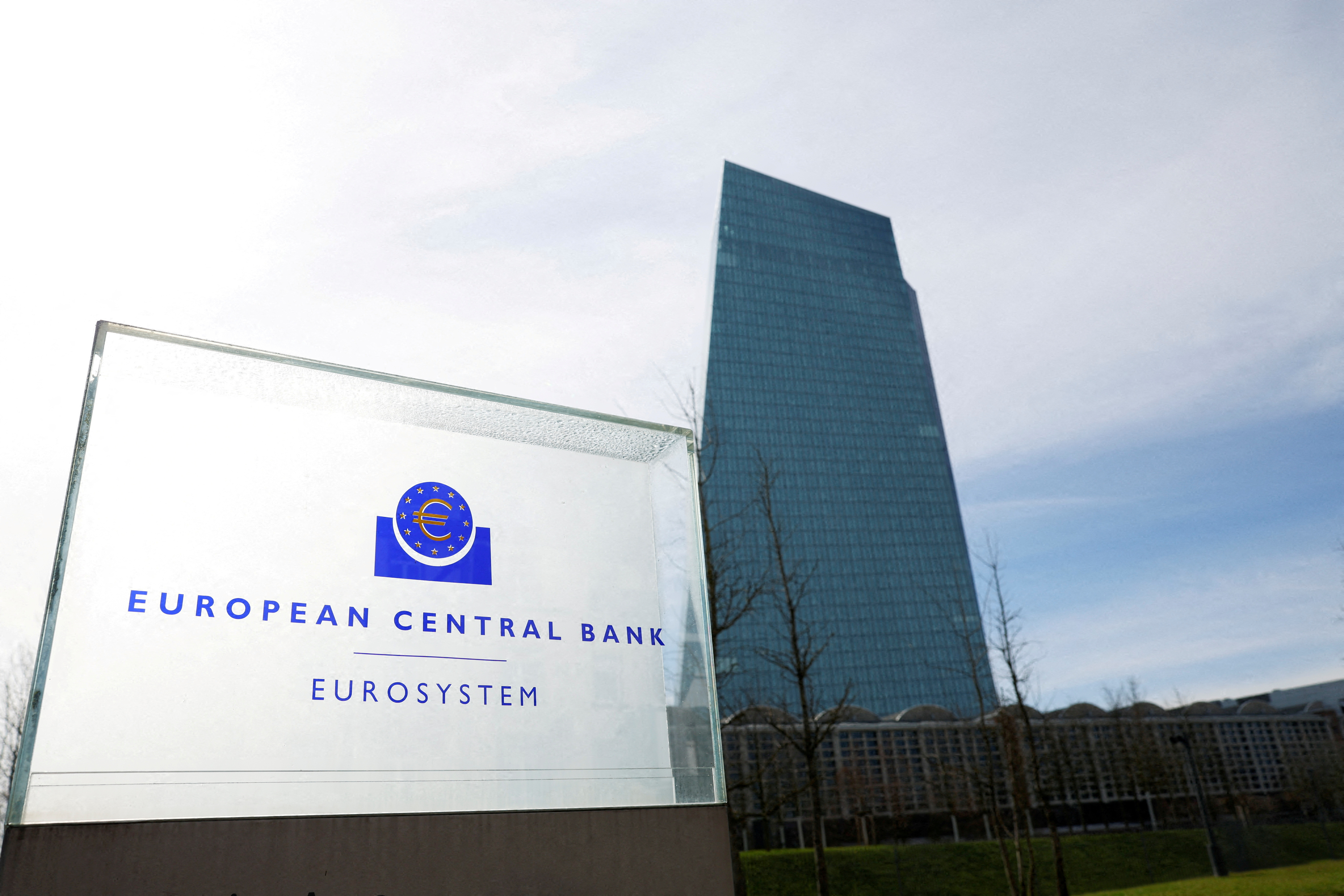
The recent UK elections have thrown a wrench into the European Central Bank’s (ECB) plans for cutting interest rates. Political chaos is now a key factor that the ECB has to consider as it tries to bring inflation back to its 2% target.
A Bloomberg survey of analysts reveals that the ECB will take a cautious approach due to these new risks. Following the quarter-point reduction in June, analysts predict the ECB will hold off on further cuts when they meet next week.
The expectation is that cuts will resume in September, continuing quarterly until the deposit rate hits 2.5% next year. Inflation is still a pressing issue for the Euro zone, and the recovery from economic stagnation is fragile.
Elections, especially in the US, are making investors rethink their strategies. The presidential election in November has become the biggest threat to the euro zone’s economy.
Another term for Donald Trump could disrupt global economic policies. But then again, so will Joe Biden’s continuation.
Similarly, political instability in France has brought back fears of the sovereign-debt crisis from a decade ago. Given this uncertainty, ECB’s Christine Lagarde says she’s not making firm commitments on future rate cuts.
Instead, she will make decisions based on incoming data. David Powell, a senior euro-area economist at Bloomberg, said:
“The next meeting on July 18 will be closely watched by investors to fine-tune their expectations for the timing of the next rate reduction, even though it’s almost certain to leave rates unchanged this month. Lagarde is likely to hint at another move in September, without being too committal.”
Out of 29 analysts polled, only one expects changes to the ECB’s quantitative-tightening plans. Just two think the ECB might shift remaining reinvestments toward France. Only one respondent believes the quantitative-easing program will be activated in the next three months.
Economic growth concerns are also there. Many analysts worry that growth might be weaker and inflation stronger than the ECB projected in June. Rising service costs, driven by strong wage gains, remain a major concern.
These factors tell us that next week’s meeting will likely be quite fun, with the focus on whether the ECB could give cutting rates another go in September. Some believe that the Federal Reserve’s potential reduction in US borrowing costs might force the ECB to act a bit faster.
Don’t just read crypto news. Understand it. Subscribe to our newsletter. It's free.
Disclaimer. The information provided is not trading advice. Cryptopolitan.com holds no liability for any investments made based on the information provided on this page. We strongly recommend independent research and/or consultation with a qualified professional before making any investment decisions.

Jai Hamid
Jai Hamid has been covering crypto, stock markets, technology, the global economy, and the geopolitical events that affect markets for the past 6 years. She has worked with blockchain-focused publications including AMB Crypto, Coin Edition, and CryptoTale on market analyses, major companies, regulation, and macroeconomic trends. She has attended London School of Journalism and thrice shared crypto market insights on one of Africa’s top TV networks.









