






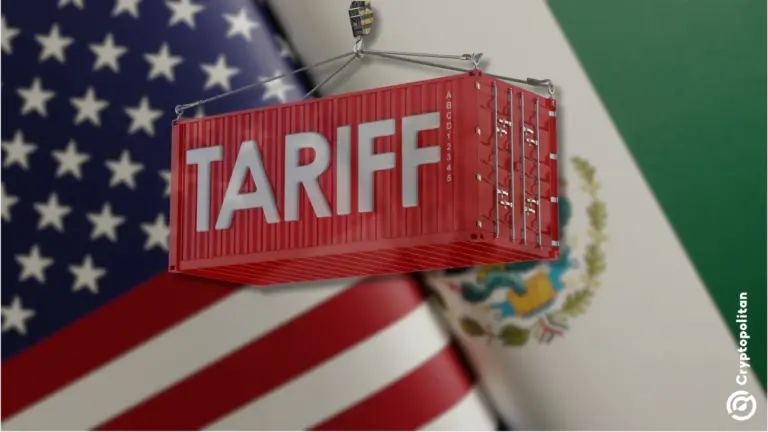
- Trump-era tariffs are raising U.S. truck manufacturing costs while Mexico-built trucks gain price advantages under USMCA.
- Volvo, Daimler and Traton are boosting Mexico operations as U.S. plants face 50% tariffs on imported metals and non-USMCA parts.
- Analysts warn U.S. producers like Paccar face a cost disadvantage with trucks built domestically running 3% higher than Mexico-built models.
The $50 billion US truck industry faces steep tariffs on raw materials. Manufacturers are now moving more sourcing and assembly to Mexico for benefits under the US-Mexico-Canada Agreement (USMCA).
Truck makers that build in the United States face 50% tariffs on imported steel, aluminum and copper derivatives under Section 232 of the Trade Expansion Act. They are also charged duties on each component that does not comply with USMCA rules. Those layers of costs are squeezing U.S. production while competitors that build in Mexico avoid many of the levies and gain a pricing edge. Daimler Truck and Traton are among the groups that limit tariff exposure by concentrating more manufacturing south of the border.
Under the USMCA, goods can move duty-free among the United States, Mexico and Canada if they meet set regional sourcing thresholds. For heavy trucks, at least 64% of the vehicle’s value must come from North America through parts such as engines and axles, raw materials like steel, or assembly labor. That content rule rises to 70% in 2027.
Some manufacturers still assemble vehicles domestically. Sweden’s Volvo and its Mack Trucks unit produce for the US market at plants in Dublin, Virginia, and Macungie, Pennsylvania. But the company says the cost math has turned against U.S. lines. In April, Volvo increased its planned Mexico plant investment by $300 million to $1 billion to support its U.S. operations.
Brokerage Bernstein estimates that imported-component duties leave trucks assembled in the United States with about a 3% cost premium versus USMCA-compliant models built in Mexico. “Companies with a higher manufacturing footprint in the U.S. than in Mexico are at a relative cost disadvantage and this is the complete antithesis of what the Trump administration wants,” said Chad Dillard, senior analyst at Bernstein.
The production is set to decline as well
ACT Research forecasts 2026 production to decline 11% year on year to 226,600 units, after economic headwinds and weaker carrier profitability weighed on the industry in 2025. The slowdown adds to the pressure created by tariffs.
Bellevue, Washington-based Paccar, which sells trucks under the Kenworth and Peterbilt brands, has put a number on the impact. The company estimates $75 million in tariff costs in the third quarter. Paccar said its brands held a 30.4% U.S. market share in the first half of 2025. For comparison, Daimler Truck reported a first-quarter gross margin of 21.96%, ahead of Paccar’s 18.69%. On a recent earnings call, CEO Preston Feight said the company is working with suppliers to increase USMCA-certified parts imports to reduce long-term tariff exposure.
Those costs show up on the sticker. ACT Research estimates duties add about 2% to 4% to each truck’s per-unit cost. Daimler’s Mexican-built Freightliner Cascadia is priced at about $165,000, compared with roughly $195,000 for Paccar’s comparable Kenworth T680. Raw materials, castings and finished components account for about 85% of the total cost of building a truck, which magnifies the effect of import charges on everything from steel to completed subassemblies.
Munich-based Traton, which operates International Motors (formerly Navistar) for the North American market, told Reuters the USMCA enables it to qualify most finished trucks for duty-free access to the U.S. market. “This can offer a structural cost advantage versus U.S. production in cases where U.S. plants rely on imported steel, aluminum, or components subject to Section 232 or other additional tariffs,” the Volkswagen-owned company said in a statement to Reuters.
Daimler Truck said it runs two USMCA-compliant plants in Mexico that produce a range of models, including the Freightliner Cascadia Class 8 truck and the medium-duty Freightliner M2. That footprint helps the company price competitively against trucks assembled in the United States that rely on parts affected by Section 232 duties.
Even with cost pressure, the U.S. heavy-duty truck market remains huge. Research firm Mordor Intelligence values the market at $51.56 billion and projects it will reach $71.81 billion by 2030, reflecting continued demand for freight capacity and replacement cycles.
Policy could shift costs again. In April, the U.S. Commerce Department launched a Section 232 investigation into whether imports of medium- and heavy-duty trucks and parts threaten national security.
If you're reading this, you’re already ahead. Stay there with our newsletter.
Disclaimer. The information provided is not trading advice. Cryptopolitan.com holds no liability for any investments made based on the information provided on this page. We strongly recommend independent research and/or consultation with a qualified professional before making any investment decisions.

Shummas Humayun
Shummas is a former technical content writer and a researcher.









