


- The U.S. is seeking monetary benefits from the Ukraine peace deal.
- Lichfield says the Trump administration used a “what’s in it for me approach.”
- Japan agreed to invest $550 billion in the U.S..
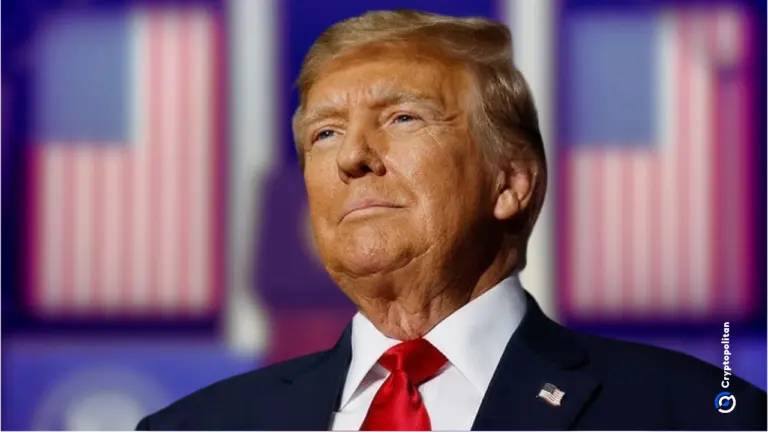
President Donald Trump is leaning on deal-making to steer U.S. foreign policy. His latest proposal to Ukraine includes a 28-point plan where the country would give up some land in exchange for American security guarantees and Russia’s commitment to refrain from invading again.
However, Washington is seeking to secure some monetary benefits from any deal, and the American president has given Ukraine under a week to consider his plan.
“We have a way of getting peace, or we think we have a way of getting to peace. He’s going to have to approve it,” speaking of Ukrainian President Zelenskyy, Trump noted.
Moscow has already suggested that the plan might serve as a foundation for a peace deal, while Ukraine’s backers, including key Republicans, have criticized it due to the land Ukraine would need to cede.
Critics compare Trump’s second term to mindset of a small financial firm
The peace proposal calls for $100 billion of frozen Russian assets to be directed toward U.S.-led rebuilding and investment in Ukraine, with the U.S. receiving half of the profits. Europe would also have to commit $100 billion in investments for reconstruction.
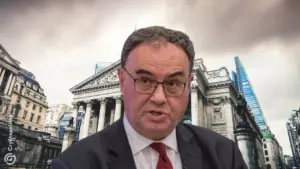
Similar to the U.S. minerals deal with Ukraine earlier this year, this arrangement demands a price for American involvement and leaves Europe with only high bills. Charles Lichfield, a senior fellow at the Geo-Economics Center of the Atlantic Council, a Washington-based think tank, has described the deal as a “what’s in it for me approach.”
The deal is another indication that U.S. diplomacy has become increasingly transactional, particularly now with a property tycoon as president and deal-oriented envoys in key roles. The DRC minerals agreement and the 99-year transit corridor through Armenian territory for Azerbaijan also indicate that Trump is pursuing economic gains for the U.S. in exchange for political backing.
A former White House economic official who served under George W. Bush also discussed the current administration’s approach, stating, “Every interaction with the United States entails some element of economic coercion in the form of extraction of non-reciprocal economic benefit.”
It’s not new for Washington to mix economic considerations with diplomacy, whether through trade deals or investment incentives. Still, commentators say Trump’s second-term approach resembles the deal-driven mindset of a small financial firm rather than that of a government agency. According to critics, the administration’s habit of treating everything as a deal extends into the private sector and home-front policymaking.
The former White House official added, “Do you want your Cfius transaction to be approved? Then we want a golden share. Do you want access to Commerce Department chip [subsidies] money? Then we want an equity stake in your enterprise. And … are you prepared to contribute to the ballroom?”
Trump has also been keen to secure investments from foreign governments
For the Ukraine deal, U.S. officials maintain that the deal’s economic provisions matter because they help solidify America’s security commitment to Ukraine through stronger financial integration.
Critics contend that the U.S. has leaned too heavily on Ukraine economically, pointing to the early days of Trump’s second administration when it floated a minerals agreement.
Trump has been fixated on getting huge investment pledges from foreign governments. Japan, for example, committed $550 billion to a U.S. fund under Trump’s oversight to maintain its defense partnership and secure a 15% tariff deal.
The Saudi Crown Prince, Mohammed bin Salman, also proposed during his last visit to increase his nation’s planned U.S. investments from $600 billion to $1 trillion. Trump suggested that $1.5 trillion would be even better.
If you're reading this, you’re already ahead. Stay there with our newsletter.
Disclaimer. The information provided is not trading advice. Cryptopolitan.com holds no liability for any investments made based on the information provided on this page. We strongly recommend independent research and/or consultation with a qualified professional before making any investment decisions.

Nellius Irene
Nellius is a Business Management and IT graduate with five years of experience in the cryptocurrency industry. She is also a graduate of Bitcoin Dada. Nellius has contributed to leading media publications, including BanklessTimes, Cryptobasic, and Riseup Media.