




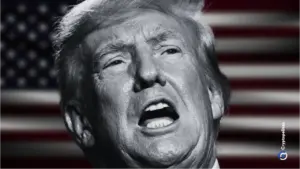

Trump’s highly-anticipated meeting with Xi to start off rough as he vows to squeeze the Chinese leader

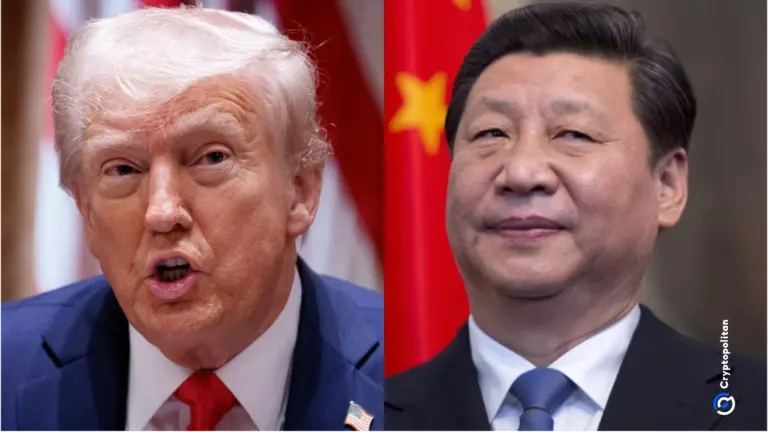
- Trump will confront Xi Jinping at the APEC summit over China’s halt of U.S. soybean purchases.
- China has not booked any soybean cargoes for the new season, the first time since 1999.
- Trump blames Joe Biden for not enforcing the Phase One trade deal and plans to use tariff money for farmer aid.
Donald Trump said Wednesday that he will confront China’s Xi Jinping later this month at the Asia-Pacific Economic Cooperation summit, adding that soybean sales will dominate their discussion.
The U.S. President said that China’s refusal to purchase American crops has created new tension between the world’s two largest economies. The issue has become political ammunition at home, with Republicans from farm-heavy states demanding immediate action.
Trump is set to face Xi after the U.S. Department of Agriculture confirmed that China had not booked any soybean shipments by September 18, the first time since 1999 that Beijing skipped new-season purchases. Last year alone, U.S. shipments made up one-fifth of China’s soybean imports, valued at more than $12 billion.
Trump used his social media account on Wednesday to spell out his message. “I’ll be meeting with President Xi, of China, in four weeks, and Soybeans will be a major topic of discussion,” he wrote. “The Soybean Farmers of our Country are being hurt because China is, for ‘negotiating’ reasons only, not buying.”
His post triggered a rally in soybean futures, which climbed by as much as 1.9% before trimming gains. The spike marked the sharpest intraday rise since August 21. Farmers and lawmakers had been waiting for such a signal after warning that the standoff was squeezing agricultural communities.
Trump pushes Xi as Republicans sound alarms
The president blamed Joe Biden for failing to enforce the Phase One trade deal that included a purchase agreement with Beijing during Trump’s first term. He said the previous administration’s inaction gave China space to avoid commitments.
At the same time, he floated the idea of using tariff revenue to build a new aid package for farmers. “It’s all going to work out very well. I LOVE OUR PATRIOTS, AND EVERY FARMER IS EXACTLY THAT!” Trump wrote. “MAKE SOYBEANS, AND OTHER ROW CROPS, GREAT AGAIN!”
China, the world’s biggest soybean buyer, has been holding back from U.S. imports, repeating the same playbook it used during the first trade war under Trump. The two countries are currently locked in a fragile trade détente that runs out in November.
Both sides had lowered tariffs and relaxed export controls under that deal. Earlier this month, Trump and Xi spoke directly to prepare for the APEC meeting, where trade will dominate the face-to-face.
Meanwhile, farm-state Republican senators met with U.S. Ambassador to China David Perdue this week and left pessimistic. They said there was no expectation that China would return to U.S. crops soon and warned that a bailout could only offer short-term relief. For lawmakers representing agricultural states, the absence of Chinese purchases has become a pressing problem, and the lack of solutions has left them demanding immediate answers from Trump.
Trump faces risks as farmers struggle and courts weigh tariffs
The plan to cover farm losses with tariff money could add legal troubles. Trump imposed sweeping tariffs on China using emergency powers, but those duties have been struck down by lower courts.
If the Supreme Court affirms those rulings, the government could be forced to return tens of billions of dollars in refunds. That outcome would undercut the financial base of any new farm aid package and raise questions about the administration’s next steps.
For farmers across the Midwest and other rural regions, the standoff is personal. They backed Trump in 2024, but now their exports have dried up, leaving them exposed as federal safety-net programs shrink.
Communities that had relied on global buyers like China are feeling the economic hit as new markets fail to replace lost demand. The second term of Trump has turned into a tough stretch for agriculture, with soybeans at the center of the struggle.
The political cost is now becoming clear. With Republicans preparing for next year’s midterm elections, the party risks losing ground in districts that depend on farming.
If you're reading this, you’re already ahead. Stay there with our newsletter.
Disclaimer. The information provided is not trading advice. Cryptopolitan.com holds no liability for any investments made based on the information provided on this page. We strongly recommend independent research and/or consultation with a qualified professional before making any investment decisions.

Jai Hamid
Jai Hamid has been covering crypto, stock markets, technology, the global economy, and the geopolitical events that affect markets for the past 6 years. She has worked with blockchain-focused publications including AMB Crypto, Coin Edition, and CryptoTale on market analyses, major companies, regulation, and macroeconomic trends. She has attended London School of Journalism and thrice shared crypto market insights on one of Africa’s top TV networks.









