



Traders have gotten many things wrong in 2025, as they try to make sense of Trump

-
Wall Street predictions for 2025 failed as Trump’s tariffs and policies created unexpected market chaos.
-
The US dollar saw its worst start since 2005, defying expectations of continued strength.
-
US stocks crashed and rebounded after Trump paused some of the highest tariffs in April.
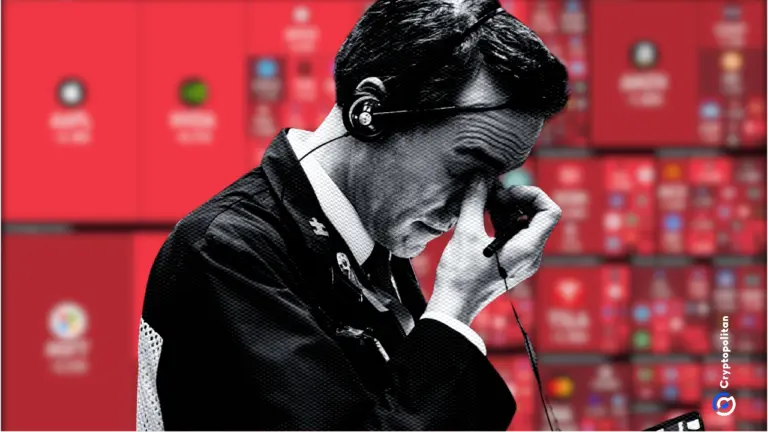
Traders were wrong. Completely wrong. Six months into 2025, Trump’s presidency has bulldozed nearly every assumption Wall Street made about markets, inflation, and the strength of the US economy.
What was supposed to be a year of American dominance, driven by Trump’s low-tax and high-tariff policies, turned into something else entirely. According to Bloomberg, those policies triggered fear, confusion, and some of the wildest price action seen in years.
The fallout started fast. Massive moves in sovereign bonds kicked things off. Then the Japanese yen climbed nearly 9% against the dollar. Emerging markets began attracting attention again.
But the real shock came from where traders least expected: the US dollar, stocks, and Trump’s own economic agenda. All of it got shredded, and the market’s golden trades are nowhere to be found.
Trump’s policies weaken the dollar and blindside investors
At the beginning of the year, the bet was simple: Trump’s economic plans would drive inflation higher, slow down any chance of Federal Reserve rate cuts, and push the dollar even higher. That’s not what happened. A Bloomberg index tracking the US currency posted its worst start to a year since 2005. The selloff was deep. The shock was global.
Things escalated in April when Trump rolled out his “Liberation Day” tariffs — wide-reaching, aggressive penalties that rattled investor confidence. The impact was brutal. Worries over a possible US recession took hold, and traders started to believe Trump might be actively trying to weaken the dollar to help domestic industry.
That’s a problem for the American government. It still depends on foreign investors to finance its massive debt pile. A weaker dollar means smaller returns for those investors. It also means less faith in US assets. JPMorgan strategist Meera Chandan said the dollar’s fading connection to interest rates and equities might reflect deeper cracks in its foundation. Her team expects another 2% drop in dollar strength by year-end.
Banks like Morgan Stanley, Societe Generale, and JPMorgan had all expected the dollar to stay strong through the first half of the year. They were wrong. They thought it would lose value slowly, maybe late in the year. No one called this early collapse.
US stocks crash, rebound, and leave traders confused
Wall Street was all-in on American equities in January. Everyone had their chips on artificial intelligence and the strength of the US economy. The Nasdaq 100 was flying high. Then the crash came. Between February and April, almost $7 trillion in market cap vanished from the index. The optimism died quick.
Part of the reason? China’s DeepSeek. The AI startup came out of nowhere and suddenly looked like a real threat to American tech dominance. That was the first crack. Then Trump’s tariff decisions added real fear that the US economy could stall. A March survey from Bank of America showed fund managers had pulled out of US stocks in record numbers.
By April, bulls were gone. There was no upside, no appetite for risk, but then Trump did what nobody expected, pausing some of the harshest tariffs, which flipped everything. The S&P 500 exploded to new highs, the economy kept humming, and tech stocks got hot again, thanks to strong earnings and consistent growth. Large investors jumped back in by mid-April, and they haven’t backed off.
The chaos showed how fast Trump’s policies can change market behavior. He introduced tariffs that helped drive stocks into a hole. Then he paused them and turned everything around. None of it was stable. Every trader caught off guard was forced to rethink their whole strategy.
While the US dollar crumbled, the yen got stronger. At the start of the year, investors were already betting on Japan. The Bank of Japan was one of the few central banks expected to raise rates in 2025, while others were looking to cut. That alone made the yen look good. But then Trump added fuel to the fire.
As markets reacted to Trump’s trade moves and the rising threat of recession, traders looked for safety. The yen, always seen as a haven in times of stress, was the obvious play. By June, it had gained nearly 9% against the dollar. It was one of the best performing currencies all year.
Don’t just read crypto news. Understand it. Subscribe to our newsletter. It's free.
Disclaimer. The information provided is not trading advice. Cryptopolitan.com holds no liability for any investments made based on the information provided on this page. We strongly recommend independent research and/or consultation with a qualified professional before making any investment decisions.

Jai Hamid
Jai Hamid has been covering crypto, stock markets, technology, the global economy, and the geopolitical events that affect markets for the past 6 years. She has worked with blockchain-focused publications including AMB Crypto, Coin Edition, and CryptoTale on market analyses, major companies, regulation, and macroeconomic trends. She has attended London School of Journalism and thrice shared crypto market insights on one of Africa’s top TV networks.